 Ferndale Exterior
 Storm Damage Roof Repair for Birch Bay Homes
Birch Bay sits right on the water in Whatcom County, and that location means storms hit differently here than they do a few miles inland. A winter system that just knocks a few branches down in Ferndale can strip shingles, lift flashing, and drive rain sideways under roof edges on a Birch Bay home with a clear shot at open water. We get calls after these storms regularly, and the damage isn't always where homeowners expect it to be. A roof can look fine from the ground and still have real problems that only show up on a close inspection or, worse, months later as a ceiling stain.
This page is about one thing: storm damage roof repair, specifically for homes in Birch Bay. Not a general roofing pitch, not a replacement sales page — what storm damage actually looks like on a home exposed the way Birch Bay homes are, what a correct repair involves, and how we handle these calls.
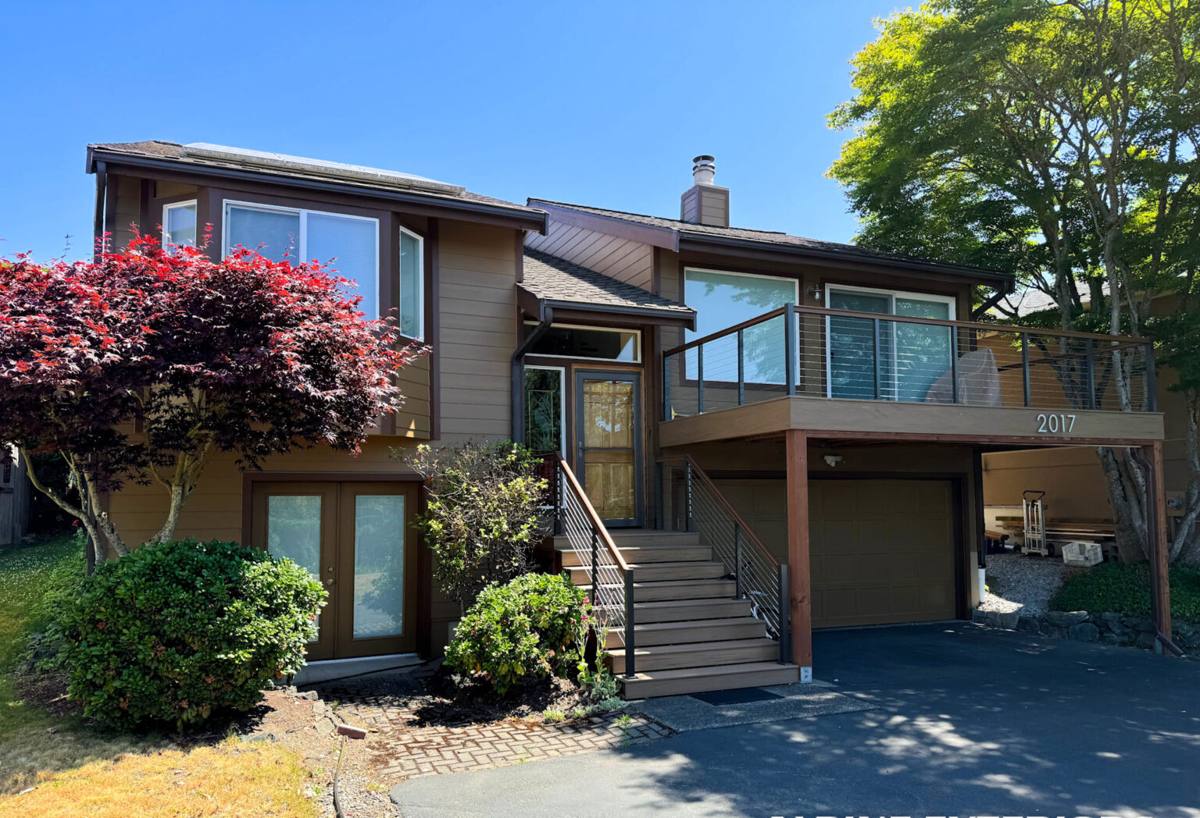
Why Birch Bay Takes a Harder Hit
Open Water Wind Exposure
Homes with a clear line to the water lose the windbreak that inland properties get from trees, hills, and other buildings. During a winter storm, that means higher sustained wind and harder gusts hitting the roof directly, which is exactly the condition that lifts shingle tabs, peels back ridge caps, and works flashing loose at valleys and penetrations. A roof that would hold up fine on a sheltered inland lot can take real damage here from the same storm.
Salt Air and Corrosion
Proximity to open water means more salt in the air, and salt accelerates corrosion in fasteners, flashing, and any exposed metal on a roof. Nails and flashing that are already a few years old and starting to weaken from salt exposure are more likely to fail outright during high wind, which is one reason storm damage on a waterfront-adjacent Birch Bay home can be more extensive than the storm itself would suggest.
Wind-Driven Rain
Rain that's being pushed by strong wind off the water doesn't behave like rain falling straight down. It gets forced up and under shingle edges, into valleys, and behind flashing that would keep out a normal rain event without any trouble. This is why a storm can cause a leak in a spot that never leaked before — the water intrusion path only opens up under wind pressure, and it can close back up once the wind stops, making it harder to find without someone who knows where to look.
A Long Moss Season Compounds the Damage
Whatcom County's damp, mild climate keeps moss and organic growth active on shaded roof slopes most of the year. Moss holds moisture against the roof surface, and a storm that lifts or cracks shingles in an area that's already dealing with trapped moisture from moss gives water an even easier path into the roof deck underneath. Storm damage and long-term moss damage often show up in the same spot for exactly this reason.
What Actually Counts as Storm Damage
Not all storm damage is obvious from the ground, and not everything a homeowner assumes is storm damage actually is. Here's what we look for on a Birch Bay storm call:
- Missing, torn, or lifted shingles — the most visible sign, but not always the most serious one
- Creased or bruised shingles from wind flex, which can crack later even if they look intact right after the storm
- Lifted or bent flashing at valleys, chimneys, skylights, and wall intersections, often the actual source of a leak even when the shingles nearby look fine
- Granule loss in gutters or downspouts, which signals accelerated wear on shingles that took direct wind and rain impact
- Impact damage from tree limbs or wind-blown debris, which can range from cosmetic to a full puncture through the roof deck
- Gutter and fascia damage that lets water track behind trim instead of draining away from the house
- Soft or discolored roof decking discovered once damaged shingles are pulled back — often a sign of a slow leak that existed before the storm and was simply exposed by it
That last point matters. A storm frequently reveals a problem that was already developing rather than causing it outright. Part of an honest inspection is telling a homeowner which situation they're actually in.
What a Correct Storm Repair Involves
Inspection Beyond the Visible Damage
A rushed storm repair looks at the obviously missing shingles, patches that spot, and calls it done. A correct one checks the whole roof plane, not just the damaged section, because wind damage on one slope often means stress on the whole roof, and because water that got in during the storm may have already tracked sideways under still-intact shingles before it ever reaches a ceiling.
Matching Materials and Proper Flashing Detail
Replacing storm-damaged shingles with a reasonably close match matters for appearance, but the flashing work matters more for keeping water out. Flashing at valleys, chimneys, and penetrations needs to be re-lapped correctly, not just caulked over a gap, because caulk is a short-term patch and not a real flashing repair. On a property that takes this much wind-driven rain, a repair that relies on sealant instead of proper metal work tends to fail again within a season or two.
Checking the Roof Deck, Not Just the Surface
Once damaged shingles are pulled back, the decking underneath needs a real look. Soft, delaminating, or discolored decking has to be addressed before new roofing goes down over it — covering a compromised deck with new shingles just hides the problem for another storm to find.
When Repair Isn't Enough
Some storm damage is genuinely isolated and repairs cleanly. Other times, the storm exposes a roof that was already near the end of its service life, or damage that's spread across enough of the roof that patching individual sections doesn't make sense compared to addressing it as a whole. We'll tell you honestly which situation applies rather than defaulting to whichever answer costs more.
Repair or Replacement: What Actually Drives That Decision
| Factor | Favors Repair | Favors Replacement |
|---|---|---|
| Extent of damage | Isolated to one section or slope | Spread across multiple areas of the roof |
| Age of existing roof | Roof is mid-life with years of service left | Roof is already near or past its expected lifespan |
| Decking condition | Deck is sound once exposed | Deck shows widespread soft spots or rot |
| Shingle match availability | Close match to existing shingles is available | Product is discontinued or badly mismatched |
| History of prior leaks | No history in the damaged area | Repeated leaks or patches in the same spot over time |
Exact costs and the right call for your roof depend on what we actually find once we're up there, which is why we inspect in person rather than quoting from a description over the phone.
How We Handle a Birch Bay Storm Damage Call
- Initial contact: You describe what you're seeing — missing shingles, a stain on the ceiling, debris on the roof — and we schedule an inspection, prioritizing active leaks.
- On-roof inspection and documentation: We walk the full roof, not just the visibly damaged area, and document what we find with photos so you have a clear record of the actual condition.
- Temporary protection if needed: If there's an active leak or exposed decking, we can put temporary protection in place to stop further water intrusion while repairs are scheduled.
- Written estimate: You get a clear, written explanation of what's damaged, what we recommend, and why — repair or replacement — with no pressure to decide on the spot.
- Repair work: Flashing, decking, and shingle work is done to hold up against the same wind and rain exposure that caused the damage, not just to look finished from the ground.
- Final walkthrough: We review the completed work with you before we consider the job done.
A Note on Insurance Claims
Many storm damage repairs are covered in whole or in part by homeowners insurance, but coverage details, deductibles, and claim requirements vary by policy and by insurer. We can document damage thoroughly with photos and a written assessment, which is generally useful if you choose to file a claim, but we're not your insurance adjuster and can't make coverage decisions or promises on behalf of your policy. If you're filing a claim, it's worth contacting your insurer promptly after a storm and keeping your own record of the damage before any repair work begins.
Signs Your Birch Bay Roof May Have Storm Damage
- Shingle pieces or granules in the yard, gutters, or downspouts after a windstorm
- Visible gaps, curled edges, or missing sections when viewed from the ground
- A new water stain on a ceiling or ceiling-adjacent wall following a storm
- Daylight visible through the roof deck from inside an attic space
- Bent, lifted, or missing flashing around a chimney, skylight, or vent pipe
- A sudden increase in moss or dark staining on a slope that took direct wind and rain
- Sagging in any section of the roofline, which can indicate deck or structural damage beneath the surface
Why a Crew That Already Works Birch Bay Matters
A contractor who works Birch Bay regularly knows which slopes take the worst of the wind off the water, how salt air changes the lifespan of fasteners and flashing, and where moss tends to trap moisture on this kind of coastal-exposed roof. That's the difference between a repair that holds and one that needs to be redone after the next storm system moves through. Because we also handle siding, windows, and decks, we look at storm damage as part of the whole exterior — a lifted section of flashing at a roof-to-wall intersection, for example, often explains water showing up in siding or trim below it, and treating the roof in isolation can miss where the water is actually getting in.
What to Expect When You Call
You'll get an in-person inspection of the full roof, not just a drive-by look at the obvious damage, an honest answer on whether you're looking at a repair or something bigger, and a written estimate before any work starts. If your Birch Bay home has storm damage, or you're just not sure whether what you're seeing after the last storm is something to worry about, reach out using the form below to schedule a free, no-pressure estimate.