 Ferndale Exterior
 Building for Custer's Corner of Whatcom County
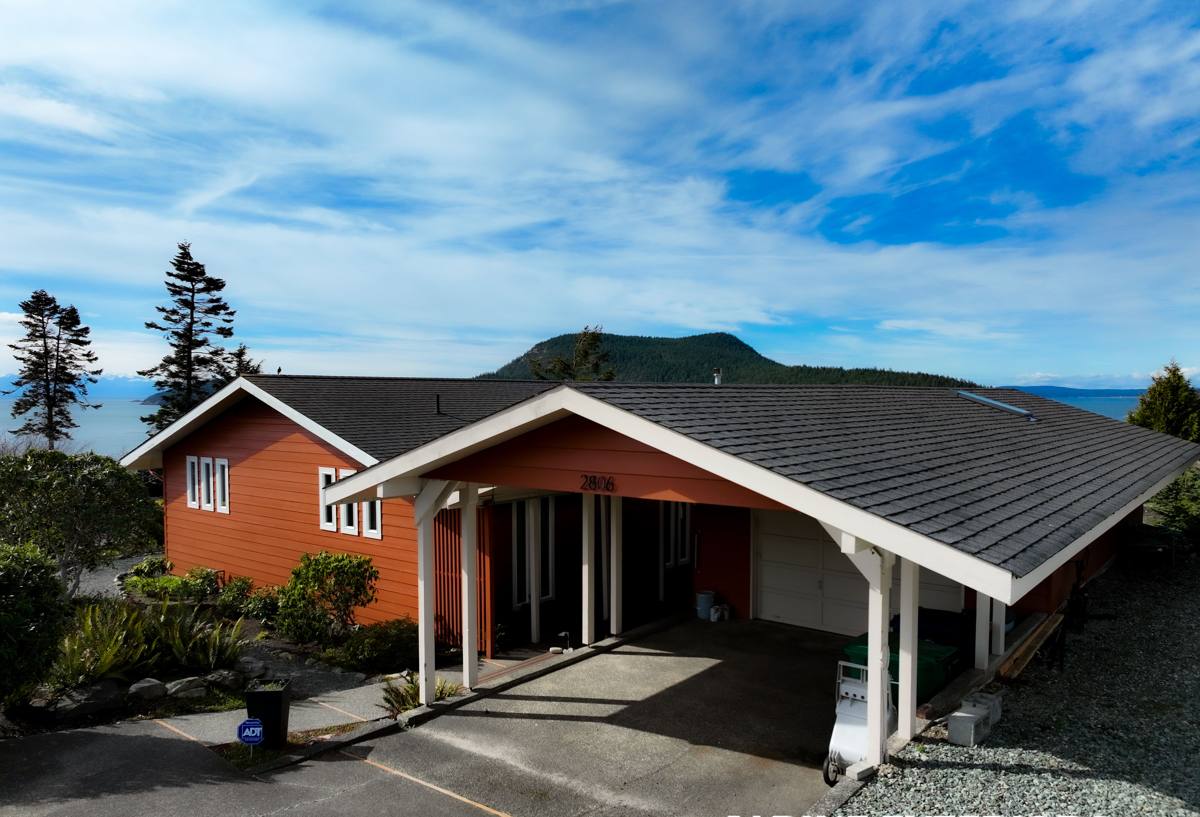
Custer sits in the northwest reach of Whatcom County, close enough to the water that salt air is a fact of life and far enough from any city center that homes here rely on a good building envelope more than a sheltered microclimate. Between the marine air moving in off the Strait of Georgia and Birch Bay, the near-constant fall-through-spring rain, and the shaded, slow-drying conditions that come with mature tree cover on many rural and semi-rural lots, exteriors in this area take a specific kind of beating. It's not dramatic weather — no hailstorms, no wildfire smoke rolling through every summer — it's relentless, low-grade exposure that wears down anything not built for it, year after year.
We're based out of Ferndale and work throughout Whatcom County, and Custer is part of our regular service area. That matters more than it might sound like it should. A crew that only shows up for a one-off job doesn't necessarily know that a north-facing wall on a Custer property near open farmland will hold moisture differently than the same wall three miles inland, or that homes closer to the water need siding and fasteners that can shrug off salt-laden air without pitting or staining over time.
What the Climate Actually Does to a House Here
Salt Air
Proximity to salt water accelerates corrosion on anything metal — flashing, fasteners, gutter hardware — and it can degrade lower-grade paint finishes faster than manufacturers' standard warranties assume. It doesn't ruin a house overnight, but over a decade or two it separates products that were built for coastal exposure from products that weren't.
Driving Rain
Wind-driven rain doesn't just fall on a house, it gets pushed sideways into laps, seams, and trim joints. Any siding system, roof, or window installed without real attention to water-shedding detail — proper laps, flashing, and drainage planes — will eventually let water behind the surface, even if the surface material itself is fine. This is one of the most common root causes of hidden rot we find on older homes in this area.
Moss and Prolonged Dampness
Western Washington's long, mild, wet stretch from October through April means roofs, shaded siding, and anything under tree cover stays damp for extended periods. Moss and algae take hold in exactly those conditions, and once established they hold moisture against the surface below, which shortens the life of roofing materials and can stain or soften siding that isn't rated to handle it.
Siding: Why We Only Install James Hardie
We install James Hardie fiber cement siding exclusively. We don't install vinyl, LP SmartSide, cedar, primed spruce, or other fiber cement brands, and that's a deliberate standard, not a sales pitch. Vinyl can warp and fade with UV and temperature swings, and its seams are a common path for wind-driven rain to get behind the cladding. Engineered wood products like LP SmartSide use wood strand cores that, if the factory finish is ever compromised, are vulnerable to exactly the kind of prolonged moisture exposure this area delivers every winter. Cedar and primed wood siding look great new but demand a maintenance schedule — re-staining, re-painting, moisture monitoring — that most homeowners underestimate, and in a damp climate like Custer's, gaps in that maintenance show up fast as rot or paint failure.
James Hardie fiber cement is cement, sand, and cellulose fiber — it doesn't warp, it's non-combustible, and it isn't a food source for the moss and mildew that thrive in this region's damp shade. Hardie's ColorPlus factory-applied finish is baked on and warranted separately from the substrate, which means the color layer is engineered for exactly the UV and moisture cycling the Pacific Northwest produces. It's also available in Hardie's HZ5 product line, engineered for climates with more moisture and freeze-thaw cycling — a fit for Whatcom County's weather pattern.
What Correct Hardie Installation Requires
- Proper starter strips and clearance off grade so the bottom edge doesn't sit in standing water or splash-back
- Correct nailing pattern and fastener depth — over-driven nails are one of the most common failure points on fiber cement jobs
- Rain screen or drainage plane behind the siding so any moisture that gets past the surface has somewhere to go
- Properly lapped and sealed flashing at every window, door, and penetration
- Factory-cut and factory-primed edges wherever possible, since field-cut edges need to be sealed correctly to maintain the warranty
Roofing for a Long Wet Season
Roofs in Custer deal with the same driving rain and extended dampness as siding, plus direct exposure to moss growth on shaded slopes and north faces. A roofing system's real performance here comes down to underlayment quality, flashing detail at valleys and penetrations, and adequate attic ventilation — a roof that traps warm, moist air underneath will age faster from the inside than one exposed only to weather from above. We look at ventilation and flashing as part of every roofing job, not just the shingle or panel on top, because in this climate the parts you don't see are often what determines how long the roof actually lasts.
Windows That Handle Wind-Driven Rain
Window failures in this region are rarely about the glass — they're about the seal and the flashing around the frame. A window installed without properly integrated flashing and a sealed weather barrier will eventually let water track down into the wall cavity, and that kind of leak can go unnoticed for years because it shows up inside the wall, not on the window itself. We pay particular attention to window flashing integration on every install and replacement, since it's the step that determines whether the window actually keeps water out over the long run, not just on day one.
Decks: Built for Wet Ground Contact
Decks in Custer's rural and semi-rural lots often sit closer to grade, near landscaping, or under partial tree cover, all of which keep the structure damper longer after rain. Ledger board flashing, proper joist spacing, and fastener selection matter as much as the decking material itself — a deck with the wrong flashing detail at the house connection is one of the more common places we find hidden rot on older homes here.
Comparing Exterior Options for Custer's Climate
| Factor | Vinyl Siding | Engineered Wood (LP SmartSide) | Cedar / Primed Wood | James Hardie Fiber Cement |
|---|---|---|---|---|
| Moisture resistance | Seams vulnerable to driving rain | Core vulnerable if finish is breached | Absorbs moisture, needs sealing/maintenance | Cement-based, doesn't absorb or rot |
| Salt air / coastal exposure | Can fade and become brittle | Not specifically rated for coastal exposure | Finish breaks down faster near salt air | Factory finish engineered for exposure |
| Moss / algae resistance | Not a food source but traps moisture at seams | Wood-based core is more vulnerable | Natural wood surface, more prone to growth | Non-organic surface, better resistance |
| Maintenance burden | Low, but limited repair options | Moderate — finish upkeep matters | High — regular re-staining/painting | Low — factory finish, long repaint interval |
| Fire resistance | Combustible | Combustible (wood-based) | Combustible | Non-combustible |
What to Look for When Hiring a Crew in This Area
- Manufacturer training and certification specific to the products they install, not just general experience
- A written scope that spells out flashing, drainage plane, and fastener details — not just "we'll install siding"
- Familiarity with local permitting through Whatcom County or the relevant jurisdiction for Custer addresses
- Willingness to explain why they use the products they use, including the trade-offs of alternatives
- Local presence and reputation, not a traveling crew that won't be reachable if something needs attention later
Why a Local Crew Matters in Custer
Whatcom County's building conditions aren't uniform — a home a mile from Birch Bay's shoreline faces different exposure than one further inland near I-5, and a shaded lot under mature trees dries out differently than an open one. A crew that works this area regularly builds a feel for those differences: where extra flashing attention pays off, which sides of a house need the most moss-resistant detailing, and how local permitting and inspection processes actually run. That local knowledge doesn't replace good installation practice, but it sharpens it, and it's part of why we've standardized on materials and methods that hold up to this specific stretch of Pacific Northwest weather.
If you're weighing siding, roofing, windows, or a deck project for a home in Custer, we're happy to take a look and put together a free, no-pressure estimate — no obligation, just a straight assessment of what your home actually needs.