 Ferndale Exterior
 Exterior Work in Marietta: A Different Kind of Climate Test
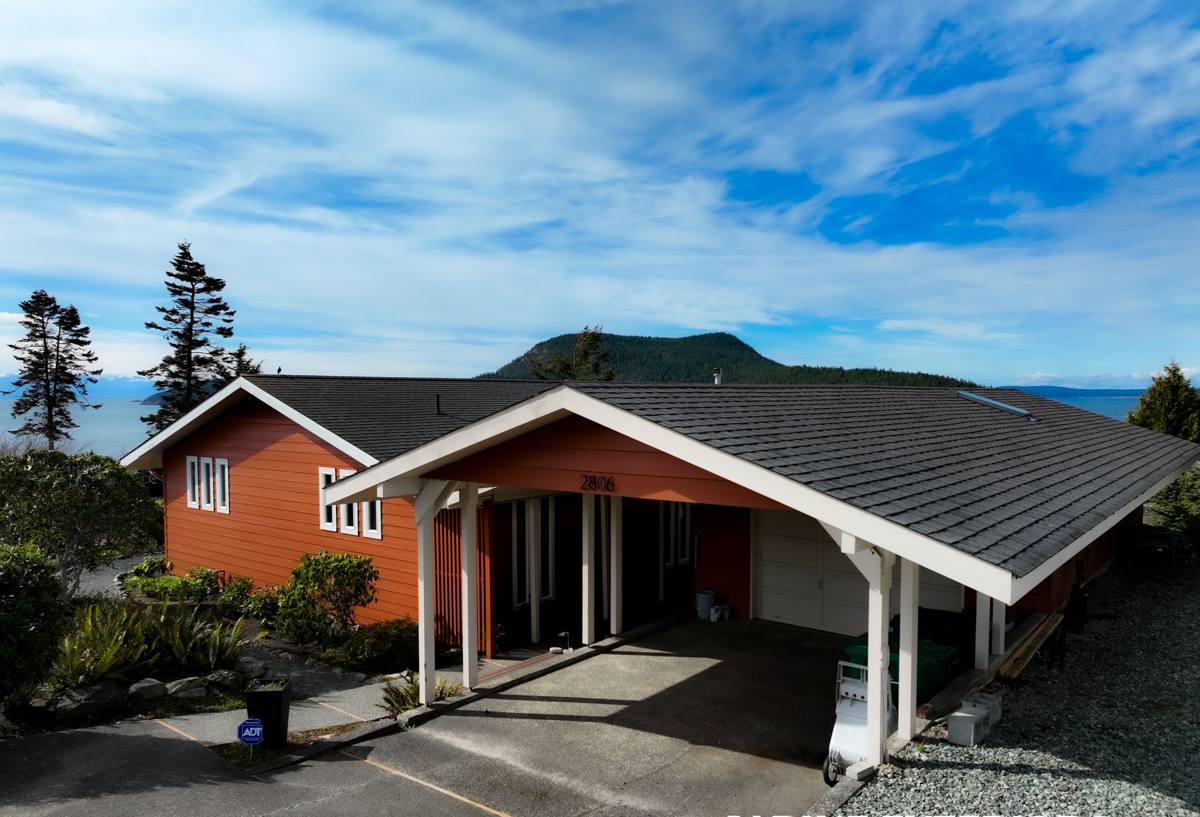
Marietta sits low and close to the water in Whatcom County, just outside Ferndale, and that location shapes everything about how a house ages here. Homes in this part of the county deal with a combination that's harder on exteriors than most people realize: salt-laden air moving in off the water, wind-driven rain that gets pushed sideways into siding and trim, and a wet season that stretches long enough to keep north-facing surfaces damp for weeks at a time. None of that is dramatic on any single day. It's the accumulation, year after year, that separates exteriors that hold up from ones that don't.
We've worked on enough homes in and around Ferndale, including the Marietta area, to know what shows up first when an exterior isn't built for this specific combination of conditions. It's rarely a sudden failure. It's slow: moss creeping into shaded corners, paint that starts failing two or three years early on the weather side of the house, trim that goes soft where water collects and doesn't fully dry out between storms.
Salt Air and What It Does to Building Materials
Proximity to open water means airborne salt is a real factor for exterior materials here, even though Marietta isn't oceanfront. Salt accelerates corrosion on exposed metal fasteners, flashing, and hardware, and it can contribute to premature breakdown of certain paints and coatings that aren't formulated to handle it. This is one of the reasons material choice matters more here than it would in a drier, inland part of the state.
- Fasteners and flashing benefit from corrosion-resistant grades rather than standard hardware
- Factory-applied finishes tend to outperform field-applied paint in salt-air exposure
- Caulk and sealant joints need periodic inspection since salt air can shorten their service life
Driving Rain and Moss Season
Whatcom County's rain doesn't just fall straight down — a good portion of it arrives at an angle, driven by wind off the water. That matters for siding and trim because it pushes moisture into laps, seams, and butt joints that would stay dry in a calmer climate. Add in a moss season that can run from fall into spring, and you get surfaces that stay damp longer than they would elsewhere, which is exactly what moss, algae, and mildew need to establish themselves.
Moss on a roof is more than cosmetic. It holds moisture against roofing material, can work its way under shingle tabs, and in shaded, north-facing sections it tends to come back faster than homeowners expect even after cleaning. Moss and green staining on siding point to the same underlying issue: a surface that isn't drying out between rain events, whether because of shade, poor airflow, or a product that simply absorbs and holds moisture.
Where Moss and Moisture Problems Show Up First
- North and east-facing walls that get less direct sun
- Roof valleys and shaded roof planes, especially under overhanging trees
- Areas near ground level where splash-back keeps siding wet longer
- Corners and trim joints where water tends to collect and drain slowly
Why We Only Install James Hardie Siding
For siding, we install James Hardie fiber cement exclusively. We don't install vinyl, LP SmartSide, cedar, primed spruce, or other fiber cement brands, and that's a deliberate standard, not a lack of options. In a climate like Marietta's — salt air, driving rain, long damp stretches — the material choice on a siding job matters as much as the installation itself.
Fiber cement is non-combustible and doesn't feed moss or fungal growth the way wood-based products can. James Hardie's ColorPlus factory finish is baked on under controlled conditions, which gives it better adhesion and UV resistance than most field-applied paint, and it holds up better against the kind of salt-air exposure that shortens the life of ordinary coatings. Hardie also engineers regional HZ5 product formulations specifically for cold, wet climates like ours, rather than offering one blend for the whole country.
That said, no siding product is maintenance-free. Hardie still needs proper flashing, correct fastening, and painted or caulked joints kept in good condition. What it doesn't need is the ongoing warping, moisture swelling, or repainting cycle that comes with wood-based siding in a climate this wet — and that's the trade-off that made us standardize on it.
Roofing for Marietta's Conditions
Roofing in this area has to handle sustained rain exposure, wind, and moss pressure all at once. We look at ventilation and moisture management as much as the roofing material itself — a roof that can't breathe properly traps moisture in the attic and speeds up rot in the decking underneath, regardless of what shingle or panel is on top. Proper underlayment, ice-and-water protection in vulnerable areas, and correctly lapped flashing at every penetration matter more here than in drier parts of the state, because there's simply more water testing every seam over the course of a year.
Moss prevention starts at installation — proper ventilation, trimming back overhanging branches where possible, and material choices that resist moss establishment — rather than relying entirely on cleaning after the fact.
Windows in a Wet, Salt-Air Climate
Old or poorly sealed windows are one of the most common sources of hidden water intrusion we find during exterior work, and Marietta's driving rain makes proper window flashing especially important. Every window replacement we do integrates flashing with the surrounding wall assembly and siding, since a window that's air-sealed but not correctly flashed can still let water track behind the exterior cladding. We also look at glazing and frame materials that hold up to salt-air exposure over time rather than corroding or fogging early.
Decks: Built for Rain, Not Just Sun
Decks in this part of Whatcom County take a beating from the same conditions as everything else — sustained moisture, shaded areas that don't dry out, and the occasional salt-air exposure depending on how close to the water a property sits. Framing and fastener choices matter as much as the decking surface: galvanized or stainless hardware, proper ledger flashing, and adequate spacing for airflow underneath all reduce the rot and corrosion issues that show up first in wetter climates. Whether it's a composite deck or a traditional wood deck, the substructure and flashing details are usually what determine how long it actually lasts here.
Cost Factors to Understand Before You Budget
| Factor | Why It Affects Cost |
|---|---|
| Existing wall condition | Rot or water damage found during tear-off adds repair scope beyond the original estimate |
| Home size and complexity | More corners, gables, and trim detail mean more labor and material cuts |
| Material tier | James Hardie plank, panel, and shingle products vary in price; ColorPlus finish costs more than field-painted options but reduces future repainting |
| Roof pitch and access | Steeper or harder-to-access roofs require more safety setup and labor time |
| Moss and moisture remediation | Damaged decking or sheathing found under existing roofing adds to the scope |
| Window count and type | Full-frame replacement versus insert replacement changes both cost and long-term performance |
Why a Local Crew Matters Here
A contractor who works across Whatcom County regularly sees how homes in Ferndale and the surrounding communities, including Marietta, actually perform over time — not just how they look the day the job wraps up. That means knowing which details tend to fail first in this climate, flashing a window or a deck ledger with this area's rain patterns in mind, and recommending materials based on how they hold up locally rather than how they're marketed nationally. It also means being reachable if something needs a look after a hard winter, rather than being a crew that worked the area once and moved on.
What to Look for When Hiring an Exterior Contractor Here
- Experience specifically with coastal-influenced, high-moisture climates, not just general remodeling
- Willingness to explain material trade-offs honestly, including why they do or don't install certain products
- Clear scope and written estimates that account for likely hidden repair items
- Proper licensing, bonding, and insurance for exterior and roofing work in Washington
- References or examples of similar work in similar coastal or high-rain conditions
- A warranty structure you actually understand, both for labor and for materials
Getting Started
If you're weighing siding, roofing, window, or deck work on a home in Marietta or elsewhere around Ferndale, we're glad to take a look and walk through what your specific home is dealing with — sun exposure, shade patterns, existing moisture issues, and what that means for material choice and cost. Reach out for a free, no-pressure estimate and we'll give you a straight assessment of what your exterior actually needs.