 Ferndale Exterior
 Building Exteriors for the Lummi Nation Area
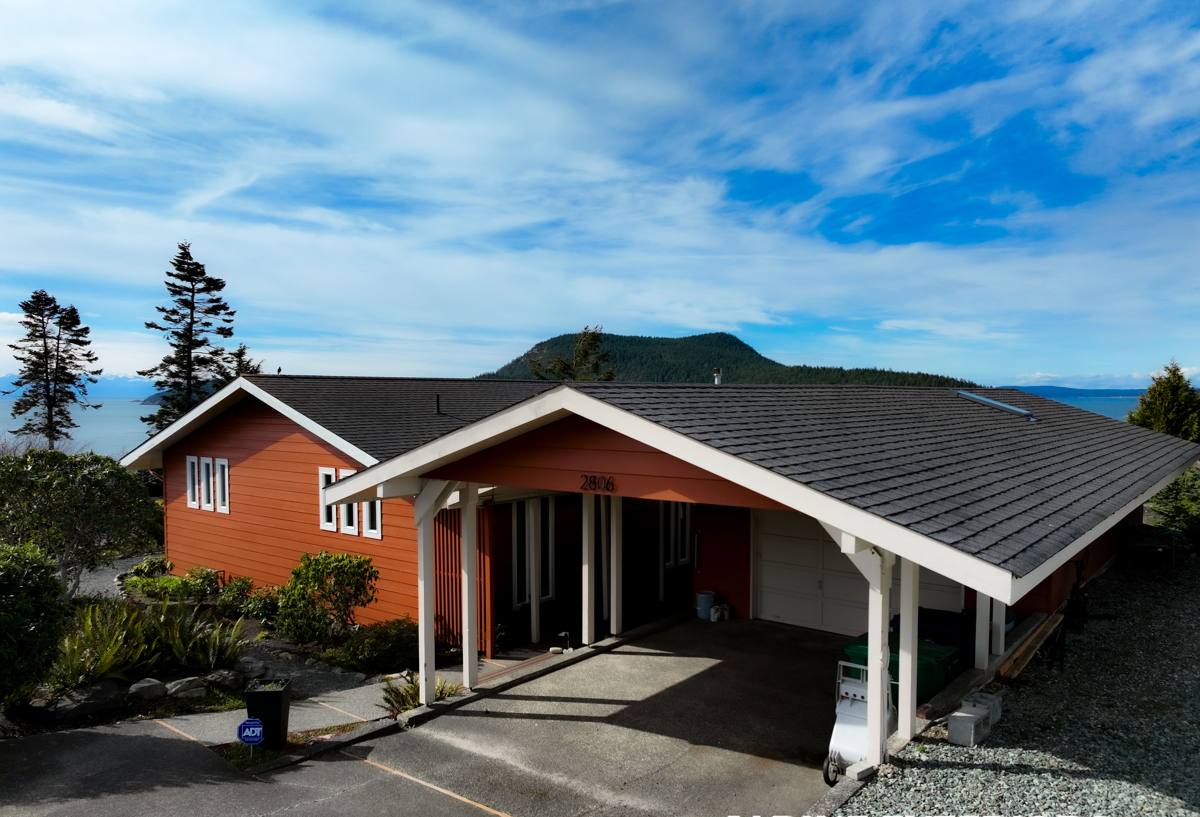
The homes and outbuildings around Lummi Nation sit close to the water, out where Whatcom County's weather comes straight off the Salish Sea before it hits anything else. That location is part of what makes the area beautiful, and it's also exactly why exteriors out here take more abuse than homes ten or fifteen miles inland. Salt-laden air, near-constant winter rain, and a moss season that seems to stretch longer every year all work on a house at the same time, and they don't take a season off.
Ferndale Exterior Co. is based nearby, and we treat this stretch of the coast as one of the more demanding parts of our service area — not because the homes here are unusual, but because the climate asks more of the materials and the installation than a typical inland job does. This page covers what we see on homes in this area, how we approach siding, roofing, windows, and decks here, and why we standardized on one siding product instead of offering the full menu.
What the Coastal Climate Does to a House
Salt Air and Metal Fatigue
Homes near the water deal with airborne salt that settles on every exterior surface — siding, trim, fasteners, flashing, window hardware, deck hardware. Salt accelerates corrosion on anything ferrous that isn't properly coated or spec'd for coastal exposure, and it degrades some paint and coating systems faster than manufacturers' standard warranties assume. Over years, that shows up as rusting fasteners bleeding through paint, pitted or corroded flashing, and hardware that seizes or fails ahead of schedule.
Driving Rain and Wind-Driven Moisture
This part of Whatcom County gets weather that comes in sideways as often as it comes straight down. Wind-driven rain finds gaps that a calmer climate would never expose — under-caulked trim joints, poorly lapped siding, undersized roof overhangs, window flanges that weren't flashed to shed water outward. On an exposed lot near Lummi Nation, a marginal installation detail that might hold up fine in a sheltered inland neighborhood can turn into a real moisture problem within a few winters.
Moss, Algae, and a Long Wet Season
Shade, humidity, and a wet season that runs long here all favor moss and algae growth on roofs, siding, and decking. Moss holds moisture against a surface far longer than open air would, and on wood-based products that constant dampness is one of the more common paths to rot, delamination, and finish failure. It's a maintenance issue on any exterior, but it's a bigger one on materials that aren't engineered to handle sustained moisture contact.
Siding: Why We Only Install James Hardie
Ferndale Exterior Co. installs James Hardie fiber cement siding exclusively. We don't offer vinyl, LP SmartSide, Cemplank, Allura, primed spruce, or cedar — not because those products don't have a place in the market, but because after years of working on homes in this climate, we settled on one system we trust to hold up out here and we'd rather do that one thing right than offer five options and hope each one performs.
What the Alternatives Get Right — and Where They Struggle Here
- Vinyl siding is affordable and low-maintenance in mild climates, but it's a petroleum-based product that can warp or become brittle with temperature swings, and its seams and J-channels give wind-driven coastal rain more opportunities to get behind the cladding.
- LP SmartSide and Cemplank are engineered wood or wood-composite products. They perform reasonably in dry, sheltered conditions, but wood-based siding is inherently more vulnerable to sustained moisture and moss contact than fiber cement is, and edge sealing has to be maintained carefully or moisture finds a way in.
- Primed spruce and cedar are traditional, attractive, and locally familiar — but solid wood siding demands the most ongoing maintenance of any option: repainting or restaining on a real schedule, caulk upkeep, and vigilance against rot, especially in a climate that stays damp for months at a stretch.
- Allura is another fiber cement manufacturer and a reasonable product on paper. We simply standardized on Hardie's specific product lines, factory finish, and installation system rather than splitting our crew's expertise across two similar but different products.
Why Hardie Fits This Coastline
James Hardie fiber cement is non-combustible, dimensionally stable, and doesn't feed mold or rot the way wood-based products can. Hardie's HZ5 product line is specifically engineered for climates with sustained moisture exposure — which describes this part of the county well. The factory-applied ColorPlus finish is baked on under controlled conditions and backed by its own finish warranty, which matters in an area where field-applied paint has to fight salt air and constant humidity to hold its color and adhesion. Combined with Hardie's transferable product warranty, it's the system we're willing to put our name behind here.
Roofing Near the Water
A roof near Lummi Nation does more work than a roof further inland. Beyond shedding rain, it has to resist moss colonization on north-facing and shaded slopes, hold up to salt exposure on flashing and fasteners, and take wind loads that come off open water without much to break them up. We pay particular attention to underlayment quality, flashing details around penetrations and valleys, and ventilation — a roof deck that can't breathe traps moisture, and trapped moisture accelerates rot in the sheathing long before shingles show obvious wear.
Regular moss removal and gutter maintenance matter more here than in a drier neighborhood. A roof that's structurally sound but buried under moss for years will still fail early, because the moss holds water against the shingles and works into any gap in the roofing system.
Windows: Sealing Out Wind-Driven Rain
Window failures in this area are rarely about the glass — they're almost always about flashing and sealant. A window that's flashed correctly sheds wind-driven rain outward and down, away from the wall assembly. A window that's caulked in place without proper flashing looks fine for a few years and then starts showing water staining or soft trim, often well after the original installer is long gone. When we replace windows near Lummi Nation, we treat flashing and integration with the surrounding siding as the part of the job that actually determines whether the window performs — not just the unit itself.
Decks: Built for Wet Ground and Salt Exposure
Outdoor living structures near the water take a beating from both directions — moisture from below and salt air from the side. Fastener and hardware choice matters more here than almost anywhere else in our service area; standard fasteners can show corrosion within a few seasons in a salt-exposed, high-humidity environment. We spec coastal-rated or corrosion-resistant hardware, pay close attention to ledger flashing where the deck meets the house, and build in drainage and airflow underneath so the structure isn't sitting in standing moisture through the wet months.
Comparing Exterior Cladding Options for This Climate
| Factor | Vinyl | Wood / Engineered Wood | James Hardie Fiber Cement |
|---|---|---|---|
| Moisture resistance | Moderate (seams are weak points) | Lower — vulnerable to sustained dampness | High — engineered for wet climates (HZ5) |
| Moss/algae impact | Cosmetic mainly | Can accelerate rot if untreated | Doesn't feed rot; cleans up well |
| Salt air durability | Fair; can degrade with UV and temp swings | Fair to poor without diligent maintenance | Strong; non-combustible, stable material |
| Maintenance | Low | High — regular repainting/staining | Low — factory finish, periodic cleaning |
| Typical warranty structure | Varies by manufacturer | Varies; finish often separate from material | Transferable product warranty + separate finish warranty |
Why a Local Crew Matters Out Here
Exterior work near Lummi Nation isn't the same job as exterior work in a sheltered neighborhood further from the water. A crew that hasn't worked this coastline regularly can miss the details that actually matter — flashing laps oriented the wrong way for the prevailing wind, fastener choices that aren't rated for salt exposure, or ventilation details that assume a drier climate than this one actually has. Being based nearby means we see how our own work holds up here over time, not just at handoff, and we adjust our approach based on that.
A Practical Maintenance Checklist for This Area
- Rinse siding and hardware periodically to reduce salt buildup, especially on wind-exposed elevations
- Remove moss from roofing and shaded siding areas before it spreads or holds moisture against the surface
- Inspect and clean gutters ahead of the wet season so water isn't backing up against fascia and trim
- Check caulking around windows and trim annually — coastal UV and moisture cycle it faster than inland conditions
- Inspect deck hardware and ledger flashing yearly for early corrosion or moisture staining
- Have roofing and siding walked by a professional every few years, not just after a visible problem shows up
What to Expect Working With Us
Whether it's a full siding replacement, a re-roof, window upgrades, or deck work, we start by looking at how your specific property is exposed — which elevations catch the worst of the wind and rain, where moss tends to build up, and what the existing exterior is telling us about how the house has handled the climate so far. That assessment drives the recommendation, not a standard package.
If you own a home near Lummi Nation and want a straightforward look at your siding, roof, windows, or deck, we're glad to come take a look. There's no pressure and no obligation — just an honest assessment from a crew that works this coastline regularly. Use the form below to request a free estimate.