 Ferndale Exterior
 Exterior Work for Homes in Sumas, Washington
Sumas sits at the far north edge of Whatcom County, hard against the Canadian border and the Nooksack River lowlands. It's a different setting than a lot of the towns we work in closer to Bellingham Bay, but the exterior problems homeowners deal with are cut from the same cloth: constant moisture, long stretches of gray weather, and a moss and mildew season that runs most of the year. Ferndale Exterior Co is based in Ferndale and works throughout Whatcom County, and Sumas is part of that service area.
We install siding, roofing, windows, and decks. On siding specifically, we've made a deliberate choice: we only install James Hardie fiber cement. We'll get into why later on this page, but the short version is that after years of watching how different siding materials actually perform in this climate — not just how they look on install day — Hardie is the one we're willing to put our name behind.
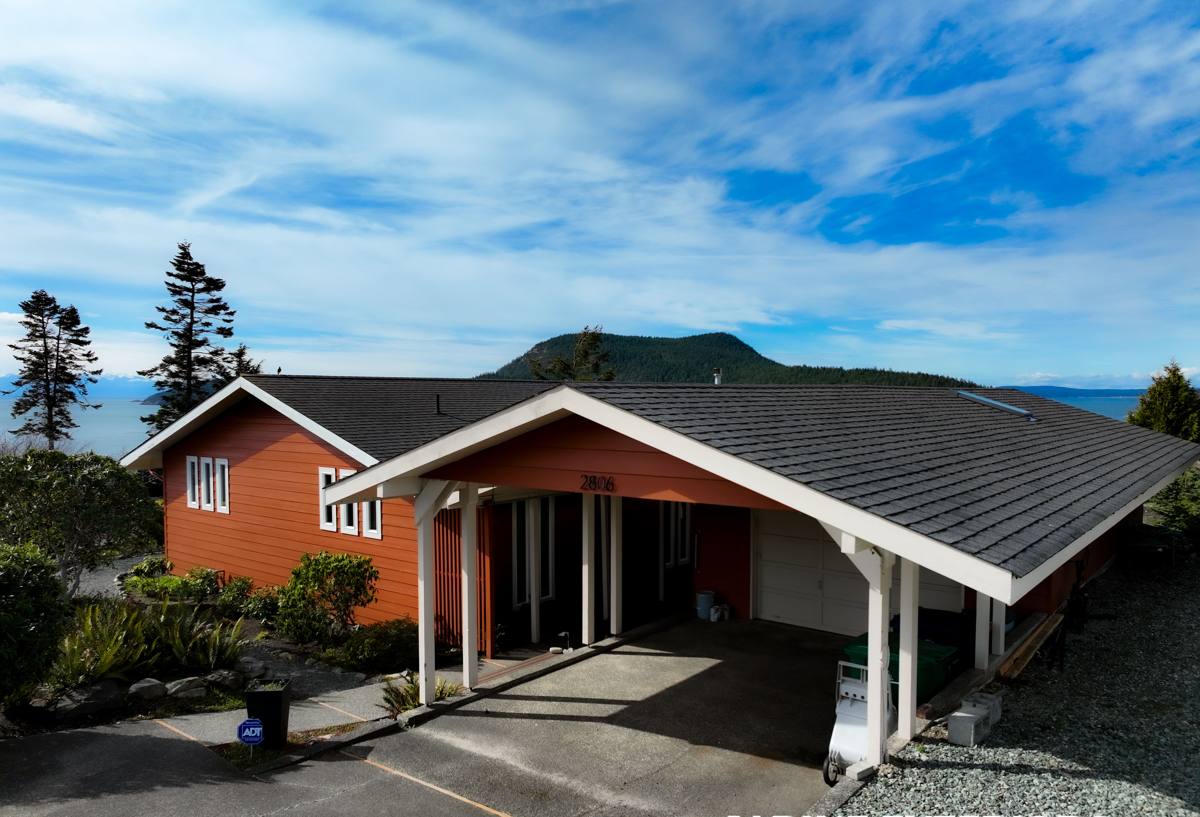
What the Climate Does to a Sumas Home
Moisture and Moss
Whatcom County's marine-influenced climate means driving rain, heavy dew, and long overcast stretches that don't give exterior surfaces much chance to dry out between weather systems. Add in salt air carried inland from the Sound and Strait of Georgia on the right wind days, and you get a combination that's tough on paint, caulk, and any siding material that isn't fully sealed against moisture intrusion. Moss and algae growth is a near-constant issue on north-facing walls, roof valleys, and anywhere shade keeps a surface damp longer than it should be.
River Lowlands and Standing Water
Sumas sits in the Nooksack River valley, and low-lying areas near the river have seen periodic flooding over the years. Even away from the river itself, homes in this part of the county tend to deal with more groundwater and splash-back moisture at the base of exterior walls than homes on higher ground. That matters a lot when it comes to siding choice — a material that swells, rots, or delaminates when it stays wet is a poor match for this terrain.
Freeze and Thaw
Sumas runs a few degrees colder in winter than the coastal parts of the county, and it's more exposed to cold air spilling down from the Fraser Valley. That means more freeze-thaw cycling on exterior surfaces than you'd see closer to the water — which is hard on caulking, trim joints, and any siding or roofing material with poor dimensional stability.
Siding: Why We Only Install James Hardie
Most exterior contractors will install whatever the homeowner picks — vinyl, LP SmartSide, cedar, primed spruce, whatever's cheapest or trending. We used to offer more options too. We stopped for a reason.
What We Don't Install, and Why
- Vinyl siding is affordable and low-maintenance in the sense that it doesn't need paint, but it's a petroleum product that expands and contracts with temperature swings, can crack in hard freezes, and eventually fades in a way that can't be fixed short of replacement. In a climate with real freeze-thaw cycling, that expansion and contraction adds up over the years.
- LP SmartSide and other engineered wood products perform reasonably well when installation is flawless and maintenance never lapses, but they're wood-based — meaning moisture intrusion at a seam, a fastener, or a cut edge can lead to swelling and rot. In a climate this wet, that's a maintenance burden we don't think is fair to hand a homeowner.
- Cedar and primed spruce look great when new but require an ongoing paint and caulk maintenance schedule that most homeowners underestimate. Skip a cycle or two in a climate like ours and you're looking at real deterioration, not just cosmetic fading.
- Cemplank, Allura, and other fiber cement alternatives are closer to Hardie in concept, but we've standardized on one manufacturer specifically because of its factory finish process, its regional-specific product engineering, and its warranty structure — consistency matters when we're the ones standing behind the install.
What James Hardie Gets Right
James Hardie fiber cement is non-combustible, doesn't swell or rot when it takes on moisture the way wood-based products can, and holds paint and factory-applied color far longer than wood siding does. Hardie's ColorPlus finish is baked on at the factory under controlled conditions, which gives it better fade and chip resistance than field-applied paint. Hardie also makes an HZ5 product line engineered specifically for climates like ours — colder, wetter, more freeze-thaw exposure — rather than a single one-size-fits-all board. Backed by a strong transferable warranty and installed to spec, it's a product we can commit to without hedging.
Roofing for a Wet, Mossy Climate
Roofs in Sumas take a beating from the same moisture cycle that affects siding — moss growth in shaded valleys, granule loss from constant wet-dry cycling, and ice damming risk on the colder days that push down from the north. We look at ventilation, underlayment quality, and flashing detail as much as the shingle or metal product itself, because a roof that's properly ventilated and flashed will shed moss and moisture problems for years longer than one that isn't, regardless of material.
What We Check on a Roof Assessment
| Area | What we're looking for |
|---|---|
| Attic ventilation | Balanced intake and exhaust to prevent trapped moisture and ice damming |
| Flashing | Proper detail at valleys, chimneys, and wall intersections where leaks typically start |
| Moss and algae | Growth patterns that point to shaded, slow-drying areas of the roof |
| Granule loss | Wear patterns indicating age or premature deterioration |
| Gutter and drainage | Whether water is actually being moved away from the roofline and foundation |
Windows That Hold Up to Northwest Weather
Window failure in this region is rarely about the glass itself — it's almost always about the seal and the flashing around the frame. Driving rain finds any gap in a window installation, and once water gets behind a frame, it can sit there and cause rot or mold in the wall cavity long before it shows up as a visible leak indoors. When we replace windows, we pay close attention to flashing integration with the wall assembly — especially important when we're also doing the siding, since the two systems need to work together as one weather barrier, not two separate ones bolted next to each other.
Decks Built for Year-Round Exposure
A deck in Sumas doesn't get the summer-only use pattern you'd see in a drier climate — but it does sit outside through months of rain, freeze, and moss growth every year. Framing, fastener choice, and board spacing all matter more here than they would somewhere drier, because standing moisture between boards or against ledger connections is where deck problems start. We build decking systems with drainage and ventilation in mind, not just the visible surface.
What to Expect When You Hire Us
- An in-person assessment of your home's exterior, not just a phone estimate
- A clear explanation of what we found and why we're recommending a particular scope of work
- A written estimate with no pressure to sign on the spot
- A crew that shows up when scheduled and communicates if timelines shift because of weather — which happens in this climate
- Cleanup at the end of each work day, not just at project completion
Cost Factors Worth Understanding
Every home is different, so we won't quote numbers on a page like this — but a few things consistently drive cost on exterior projects in this area:
| Factor | Why it matters |
|---|---|
| Existing damage | Rot or moisture intrusion found during tear-off adds repair scope before new material goes on |
| Home size and complexity | Roof lines, wall angles, and trim detail affect labor time more than material cost |
| Access | Steep lots, tight setbacks, or limited equipment access can add time to a project |
| Material choice | Fiber cement, roofing, and window products vary in upfront cost but differ more in long-term maintenance |
Why a Local Crew Matters
We're based in Ferndale and work throughout Whatcom County, which means we're dealing with the same weather your house is dealing with — not reading about it from a regional office somewhere drier. That matters for scheduling around rain windows, for knowing which product lines are actually engineered for this climate, and for being reachable if a warranty question comes up five years down the road instead of after the crew has moved out of the area. A crew that only shows up for one job and disappears has no reason to care whether the install still looks right in year eight. We do, because we're still going to be working down the street.
If you're weighing exterior work on a Sumas home — whether it's a full siding replacement, a roof that's showing its age, windows that leak in a hard rain, or a deck that needs rebuilding — we're glad to come take a look. The estimate is free, there's no pressure attached to it, and you'll get a straight answer about what your home actually needs.