 Ferndale Exterior
 Exterior Work Built for Blaine's Coastline
Blaine sits at the northwest corner of Whatcom County, right on Semiahmoo Bay and Drayton Harbor, a few miles from the Canadian border. It's one of the more demanding spots in the county for a home's exterior. You've got salt-laden air coming off the water, wind-driven rain that hits siding and window frames sideways instead of straight down, and a wet season that stretches long enough to grow moss on anything that stays damp for more than a few days. Ferndale Exterior Co works throughout this part of Whatcom County, and Blaine's mix of waterfront exposure and older housing stock is exactly the kind of job we build our process around.
This page covers how we approach siding, roofing, windows, and decks for homes in and around Blaine, and why the materials and installation details matter more here than they do a few miles inland.
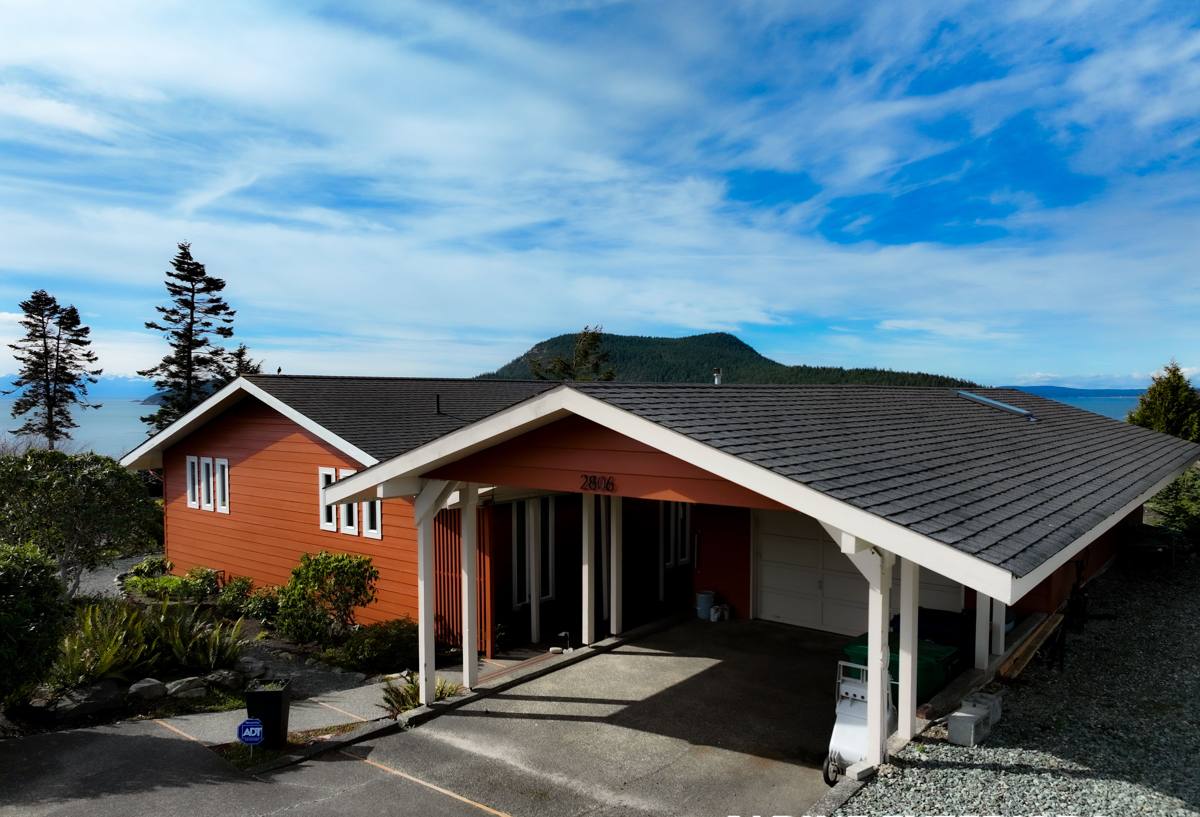
What Blaine's Climate Does to a House
Three things drive most of the exterior wear we see on Blaine homes:
Salt Air and Marine Moisture
Homes closer to the water deal with a steady drift of salt-carrying moisture. It doesn't just affect metal fasteners and flashing — it also accelerates the breakdown of paint films and lower-grade siding materials that weren't engineered with coastal exposure in mind. Anything with exposed wood grain or a factory finish not rated for marine conditions tends to show fading, chalking, and edge deterioration faster near the bay than it would ten miles east.
Driving, Wind-Blown Rain
Blaine catches wind off the water that pushes rain into wall assemblies at an angle, not just straight down like it does in more sheltered areas. That means seams, laps, and window flashing details have to actually work — a siding job that looks fine on a calm day can still let water in behind the cladding if the flashing and caulking weren't done correctly.
Long Moss and Algae Season
Northwest Washington's wet, mild winters give moss and algae a long runway to establish themselves on roofs, decks, and the north-facing sides of houses. Once moss gets a foothold on shingles or decking, it holds moisture against the surface and shortens the material's life — this is a maintenance issue as much as it is a materials issue, and it's one of the most common reasons we get called out to older Blaine homes.
Siding: Why We Only Install James Hardie
Siding takes the brunt of everything described above — salt drift, driving rain, and a wet season that never really lets a wall assembly fully dry out. That's why Ferndale Exterior Co installs James Hardie fiber cement siding exclusively. We don't install vinyl, LP SmartSide, cedar, primed spruce, or other fiber cement brands like Cemplank or Allura. That's not a marketing position — it's the product decision we've landed on after weighing how these materials actually perform under Whatcom County conditions over the long run.
Here's the reasoning, product by product:
- Vinyl siding is affordable and low-maintenance in mild climates, but it can warp or crack in temperature swings, and its seams and butt joints give wind-driven coastal rain more opportunities to find a way behind the panel.
- Wood products (cedar, primed spruce) look great and have real character, but they demand ongoing sealing, staining, and moisture vigilance — exactly the kind of upkeep that's hard to stay ahead of near the water, where damp air rarely lets wood fully dry between rain events.
- Engineered wood (LP SmartSide) has improved a lot over the years, but as a wood-based product it still relies on an intact factory coating and correct field-sealing of every cut edge to resist moisture — a single missed edge near salt air is a weak point.
- Other fiber cement brands (Cemplank, Allura) are legitimate competitors to Hardie, but we've standardized on one product line so our crews are deeply familiar with its installation specs, and so every warranty claim runs through one manufacturer relationship instead of several.
James Hardie fiber cement is non-combustible, dimensionally stable in wet-dry cycling, and finished with the ColorPlus factory-baked coating system, which holds color better under UV and salt exposure than field-applied paint. Hardie's HZ5 product line is engineered for regions with the kind of moisture cycling Blaine sees. Installed correctly — proper clearances, flashing, and fastening to spec — it's the siding system we're comfortable putting our name behind for a coastal Whatcom County home.
Roofing for a Wet, Mossy Climate
Roofing in Blaine has to handle two separate problems: shedding wind-driven rain without letting it work under shingles at the edges and valleys, and resisting moss growth through a long wet season. We pay particular attention to:
- Proper underlayment and ice-and-water shield at eaves, valleys, and any roof-to-wall transitions, since that's where wind-driven rain and moss-related water retention cause the most damage.
- Ventilation — a roof deck that can't breathe stays damp longer, which speeds up both moss growth and shingle deterioration from underneath.
- Flashing detail at chimneys, skylights, and dormers, which is where we find the majority of active leaks on older homes we're called out to inspect.
We also talk homeowners through realistic moss management — periodic cleaning and zinc or copper strip installation can meaningfully extend a roof's life in this climate, and it's far cheaper than early replacement.
Windows: Sealing Out Salt Air and Sideways Rain
Older single-pane or early-generation dual-pane windows are common in this part of the county, and they tend to show their age in two ways near the water: seal failure (fogging between panes) from constant humidity cycling, and air/water infiltration around frames that were never flashed to modern standards. When we replace windows, correct flashing and integration with the surrounding wall assembly matters as much as the window unit itself — a good window installed with poor flashing will still leak in Blaine's driving rain. We size window upgrades around real comfort and moisture problems, not just curb appeal.
Decks: Built for Sun, Salt, and Standing Water
Decks facing the water get a tough combination of UV exposure, salt air, and rain that doesn't always drain fast enough if the substructure wasn't built with the right slope and gaps. Whether a homeowner wants traditional wood or a low-maintenance composite, we focus on ledger flashing, joist protection, and drainage details — the parts of a deck that aren't visible but determine whether it's still solid in ten years. Composite decking, in particular, resists the moss and algae staining that wood decking picks up quickly in a shaded, damp yard.
Why a Local Crew Matters Here
A contractor based inland or working from out of the county doesn't always have a feel for how differently Blaine's waterfront exposure behaves compared to, say, Ferndale or Bellingham a few miles away. We work across Whatcom County regularly enough to know which details — flashing laps, fastener spacing, clearance from grade — actually need to be tightened up for homes closer to the bay, and we stand behind that work with a crew that isn't hard to reach if something needs a follow-up look.
Cost Factors for Blaine Exterior Projects
| Factor | Why It Matters in Blaine |
|---|---|
| Proximity to water | Homes closer to Semiahmoo Bay or Drayton Harbor face heavier salt exposure, which affects material and fastener choices |
| Existing wall/roof condition | Moss and moisture damage found during tear-off or removal can add scope once the old material comes off |
| Home age and construction | Older homes often need updated flashing and moisture barrier details, not just a material swap |
| Sun and wind exposure of the lot | North-facing or heavily shaded sides need different moss/algae strategy than sun-exposed walls |
| Scope (single trade vs. combined) | Combining siding, roofing, windows, or deck work in one project can reduce total mobilization and staging costs |
A Practical Checklist Before You Hire
- Ask what moisture barrier and flashing details they use at seams, corners, and window openings
- Confirm whether they're a manufacturer-certified installer for the siding or roofing product they're proposing
- Get the warranty terms in writing — both material warranty and workmanship warranty, and know the difference
- Ask how they handle moss and algae exposure specifically, not just general maintenance advice
- Check that they're licensed and insured to work in Washington, and ask for proof
- Get a written scope of work, not just a price — vague estimates lead to change-order surprises
If you're weighing siding, roofing, window, or deck work on a Blaine home, we're happy to take a look and give you a straightforward, no-pressure estimate — no obligation, just an honest read on what your home actually needs.