 Ferndale Exterior
 Siding in Custer Has a Harder Job Than People Think
Custer sits close enough to the water and open farmland that homes here take a steady, low-grade beating most of the year. It's rarely dramatic — no single storm that "does the damage" — it's the accumulation of salt-laden air drifting in off the Strait, driving rain that hits siding at an angle instead of straight down, and long stretches of gray, damp weather that let moss and algae get a foothold and never quite let go. Siding that isn't built for that combination doesn't fail all at once. It fails a little every year until a homeowner notices soft trim, peeling paint, or a wall that stays damp two days after the rain stops.
That's the lens we use when we talk about siding installation in Custer specifically. The product matters, but so does how it's installed, flashed, and finished — and that's usually where corners get cut, not in the material itself.
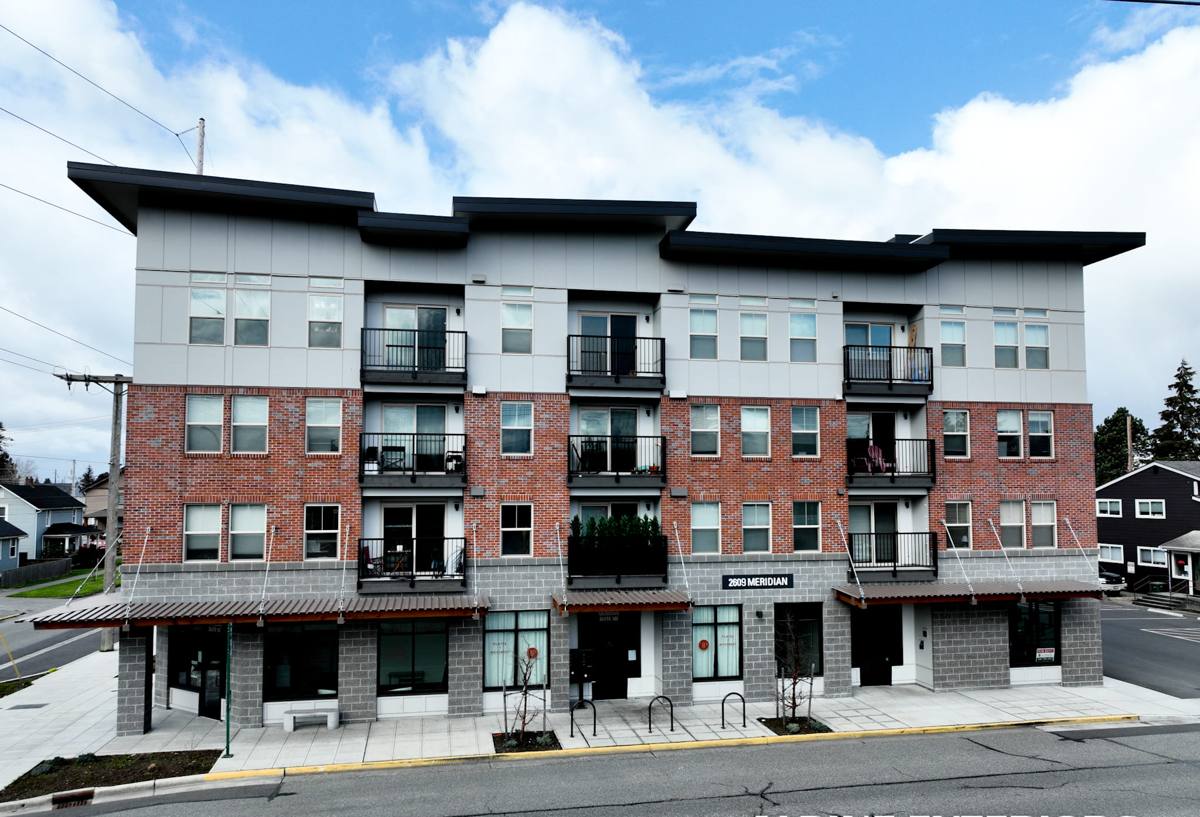
What Custer Homes Actually Need From Their Siding
Moisture Management First
Whatcom County's rain isn't just volume, it's duration and wind direction. Wind-driven rain finds every gap in a wall system — around windows, at trim joints, behind poorly lapped siding courses. A correct installation assumes water will get behind the cladding occasionally and is built to drain it back out, not just to keep it out in the first place. That means a proper weather-resistive barrier, correctly integrated flashing at every penetration, and siding that's fastened and gapped the way the manufacturer specifies — not just "close enough."
Salt Air and Coastal Exposure
Custer's proximity to the water means airborne salt settles on exterior surfaces over time. It's corrosive to unprotected fasteners and hard on paint films that aren't factory-cured. This is one of the bigger reasons we standardized on a factory-applied finish rather than a job-site painted product — more on that below.
Moss and Algae Season
Northwest Washington's moss season runs long — shaded north walls, roof lines, and anywhere airflow is poor stay damp for weeks at a time. Organic growth on siding isn't just cosmetic; moss and algae hold moisture against the surface, which accelerates whatever underlying problem already exists. Siding that resists moisture absorption at the material level handles this far better than siding that just relies on a surface coating.
Why We Only Install James Hardie Fiber Cement
We get asked why we don't offer vinyl, LP SmartSide, or cedar as options. It's a fair question, and the honest answer is that we made a standard, not a sales pitch.
Vinyl is inexpensive and low-maintenance in mild climates, but it expands and contracts with temperature swings, can warp or crack in wind-driven impacts, and its seams and J-channels give wind-blown rain more places to work its way behind the wall. LP SmartSide and other engineered wood products perform reasonably when installation is flawless and maintenance never lapses, but they're wood-based — moisture that reaches an exposed edge or a missed caulk joint can cause swelling and rot over time, and Custer's damp season doesn't forgive missed maintenance. Cedar is a beautiful, traditional choice, but it requires ongoing sealing or staining, and this region's rain and moss pressure shorten the window between recoats.
James Hardie fiber cement is non-combustible, dimensionally stable in wet-dry cycling, and doesn't rot, feed pests, or delaminate the way wood-based products can. Its ColorPlus factory finish is baked on under controlled conditions, which gives it more consistent, longer-lasting color than field-applied paint — a real advantage against salt air and UV exposure. It's not the cheapest option on day one, but it's the one we're willing to warranty and stand behind on homes we don't get to inspect every year.
James Hardie Product Lines for This Climate
Hardie makes climate-engineered "HZ" formulations, and for a location like Custer with heavy moisture exposure, we typically spec the HZ10 line, engineered for wetter, harsher climates, over the HZ5 line built for drier regions. The practical difference shows up in moisture resistance and freeze-thaw performance — details that matter more here than in a lot of the country.
- HardiePlank lap siding — the most common choice for full re-sides and new construction; several plank styles and reveal widths available
- HardiePanel vertical siding — often used for accents, gables, or a modern board-and-batten look
- HardieShingle — for homes wanting a shingle-style look without the maintenance of real wood shingles
- HardieTrim — matching trim boards so the whole exterior envelope is consistent, non-combustible material
What a Correct Installation Involves
The material is only half the equation. A James Hardie installation that's actually built to spec includes:
- Removal of old siding and inspection of the sheathing underneath for hidden rot or moisture damage before anything new goes up
- A correctly lapped and sealed weather-resistive barrier, with special attention around windows, doors, and any wall penetrations
- Proper flashing at every horizontal transition — window heads, deck ledgers, roof-to-wall intersections — so water is directed out and down, not trapped
- Correct fastener type, spacing, and penetration depth per the manufacturer's installation manual, not just "what's fastest"
- Manufacturer-specified clearances between siding and grade, roofing, and decks to prevent wicking
- Factory-primed or ColorPlus-finished cut edges sealed in the field, since a raw cut edge is the one part of the board not factory-protected
Skipping any one of these doesn't show up on day one. It shows up in year three or four, usually as a soft spot near a window or a stain at a butt joint — the kind of thing that's expensive to trace back to a rushed install.
Comparing the Options Homeowners Consider
| Material | Moisture Behavior | Maintenance | Fit for Custer's Climate |
|---|---|---|---|
| James Hardie Fiber Cement | Dimensionally stable, doesn't absorb and swell | Occasional wash; no repainting for years with ColorPlus | Built for this — HZ10 formulation targets wet climates |
| Vinyl | Doesn't rot, but seams/gaps invite wind-driven rain intrusion | Low, but color fades and it can crack in cold or impact | Workable, but seams are a real liability in driving rain |
| LP SmartSide / Engineered Wood | Wood-based; vulnerable at cut edges and failed caulk joints | Requires diligent caulk and paint upkeep | Performs only if maintenance never lapses — risky here |
| Cedar | Natural material; absorbs and releases moisture constantly | Regular sealing/staining, more with algae pressure | Attractive but demanding in a long moss season |
Cost Factors for a Custer Siding Project
Every home is different, so we won't quote a number without seeing the house, but the honest cost drivers are consistent:
| Factor | Why It Matters |
|---|---|
| Home size and wall complexity | More corners, gables, and dormers mean more cutting, flashing, and labor time |
| Condition of existing sheathing | Hidden rot found during tear-off adds repair scope before new siding goes up |
| Siding profile chosen | Lap widths, shingle-style panels, and trim details vary in material and labor cost |
| Access and site conditions | Tight lots, landscaping, or multi-story walls affect staging and time on site |
| Color and finish | Factory ColorPlus finishes cost more upfront but remove the future repainting cost |
Our Process for Custer Projects
Because we already work in and around Ferndale and Whatcom County, we're familiar with the wind exposure and moisture patterns that shape how we spec a job in Custer specifically — how much attention a north-facing or water-facing wall needs versus a sheltered one, for instance. Our process on every project follows the same order:
- On-site inspection of current siding, trim, and visible sheathing condition
- Written scope covering tear-off, sheathing repair allowances, flashing details, and the specific Hardie products and colors
- Tear-off and sheathing inspection, with any hidden damage discussed and approved before covering it up
- Installation to manufacturer spec, including flashing, fastening, and clearances
- Final walk-through so you know exactly what was installed and how to care for it
Signs Your Current Siding Is Already Behind
Homeowners in Custer often call us after noticing one or more of the following. If you're seeing any of these, it's worth an inspection sooner rather than later, since moisture problems compound quietly:
- Soft or spongy siding when pressed, especially near the bottom courses or below windows
- Paint that's peeling, bubbling, or chalking faster than expected
- Persistent moss or dark streaking that returns quickly after cleaning
- Visible warping, cupping, or gaps opening up at seams and joints
- Interior wall or ceiling staining near exterior walls, which can indicate water intrusion behind the siding
What to Ask Before Hiring a Siding Contractor
Siding installation is one of those trades where a rushed job looks fine for a year or two, then costs far more than it saved. Before hiring anyone for a re-side in Custer, it's reasonable to ask:
- Are you a certified installer for the product you're proposing, and can you explain how you handle flashing and moisture barrier detailing?
- Will you inspect and document sheathing condition before covering it up, and how are hidden repairs handled if found?
- What warranty applies to labor versus material, and is it transferable if the home sells?
- Do you have current work in this area, and are you familiar with how the local climate affects installation choices?
Maintenance After Installation
One advantage of a correctly installed James Hardie system is how little upkeep it asks for afterward. A periodic rinse to clear salt residue and organic buildup, a visual check of caulked joints and trim after major storms, and prompt attention to any landscaping or grading changes that direct water toward the foundation wall are really the extent of it. There's no repainting cycle to plan around, which matters in a region where a good weather window for exterior painting can be short.
If you're weighing a re-side in Custer or want a second opinion on siding that's showing its age, we're happy to take a look. The estimate is free, there's no pressure, and you'll get a straight answer about what your home actually needs.