 Ferndale Exterior
 Board & Batten Siding Built for Blaine's Coastal Weather
Blaine sits close enough to the water that homes here take a different kind of beating than siding a few miles inland. Salt-laden air off the coast, wind-driven rain that comes in sideways instead of straight down, and a moss season that can stretch from fall through spring all put real stress on an exterior. Board and batten siding — with its bold vertical lines and deep shadow reveals — is a popular choice for homes in this part of Whatcom County, but it only holds up if it's built for the environment it's going into, not just installed to look good on day one.
Ferndale Exterior Co crews work Blaine regularly, which means we've seen firsthand what this climate does to siding that wasn't detailed correctly the first time. This page covers what board and batten actually needs to survive out here, how we install it, and why we've standardized on one material system instead of offering everything on the market.
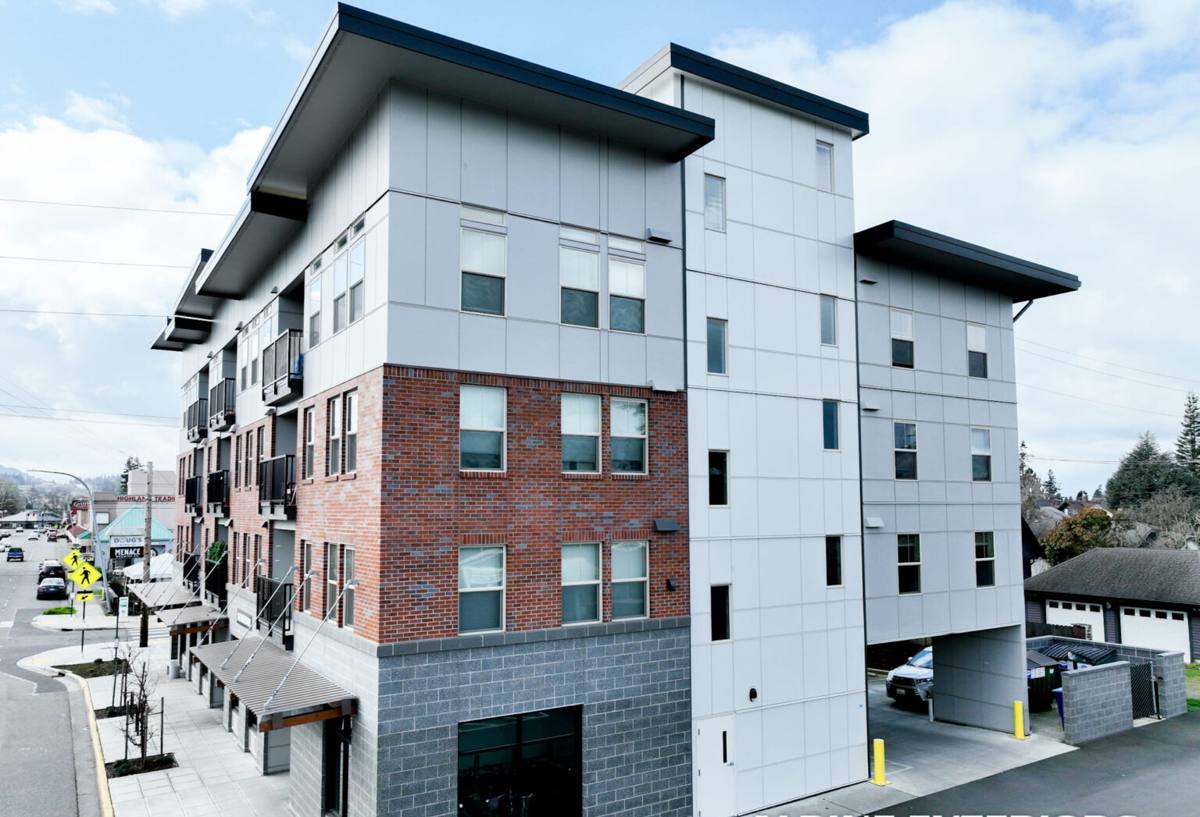
What Salt Air, Driving Rain, and Moss Actually Do to Vertical Siding
Board and batten's vertical orientation is part of its appeal, but it also changes how water moves across the wall compared to traditional lap siding. Water runs straight down the face and can pool or wick at horizontal joints, at the base of the wall, and behind battens if there's no gap for it to escape. In a location exposed to wind-driven rain, that moisture gets pushed into seams and fastener penetrations that would stay dry in a calmer, more sheltered location.
Salt air adds a second problem: it accelerates corrosion on anything metal — fasteners, flashing, trim connectors — long before it would fail on a home further from the water. Fasteners that are "good enough" inland can start staining, weeping rust, or losing holding power years earlier near Blaine's coastline.
Then there's moss and algae. Shaded elevations, north-facing walls, and any spot where a roofline or overhang keeps the siding from drying out fully are prime real estate for growth. On raw wood or poorly sealed products, that moisture retention doesn't stay cosmetic — it feeds rot at the surface and, over time, the substrate underneath.
The Common Failure Points We See
- Battens installed tight to the panel with no ability to release trapped moisture
- Standard carbon-steel fasteners corroding and staining the face of the siding
- No rain screen gap, so bulk water sits against the weather-resistive barrier
- Caulk used to "seal" joints that should have been flashed or lapped instead
- Board ends left unsealed at cuts, letting moisture wick into the material
What a Correct Board & Batten Install Requires in This Climate
A Real Drainage Plane
Vertical siding in a high-moisture, coastal-influenced area needs a way for incidental water to drain and for the wall to dry. That means a weather-resistive barrier installed correctly behind the siding, furring strips or a rain screen product to create an air gap, and attention to how that gap terminates at the top and bottom of the wall so it actually vents instead of trapping humid air.
Fastening and Flashing That Match the Environment
Given how quickly salt air can corrode standard hardware, fastener selection isn't a place to cut corners. Flashing at windows, doors, and horizontal transitions has to be layered correctly — lapped so water sheds down and out, never relying on sealant as the primary defense.
Sealant Where It Belongs, Not Everywhere
Caulk has a role at specific joints, but it's a maintenance item, not a substitute for proper flashing and lapping. A wall that depends on unbroken caulk lines to stay dry will eventually fail once that caulk ages, and re-caulking a full board and batten elevation isn't a small job.
The James Hardie Board & Batten System
We install James Hardie fiber cement exclusively, and for board and batten that means Hardie's vertical panel siding paired with Hardie trim battens, finished with a factory-applied ColorPlus coating. A few reasons this system fits Blaine specifically:
- Non-combustible core — fiber cement doesn't feed a fire the way wood-based products can
- Engineered for the Pacific Northwest — Hardie's HZ10 formulation is built for moisture-heavy, moderate climates like ours, rather than a one-size-fits-all national product
- Factory-cured finish — ColorPlus is baked on and warranted against peeling and cracking, which matters when moss and mildew are already working against the surface
- Dimensional stability — fiber cement doesn't swell and shrink with humidity swings the way real wood does, which keeps joints tighter over time
It's not a miracle material — it still has to be installed with the gaps, fasteners, and flashing detailed correctly — but it gives us a starting point that's already engineered for this kind of weather instead of fighting it.
Why We Don't Install Cedar, Vinyl, or Engineered Wood Board & Batten
Homeowners in Blaine and Ferndale ask us about alternatives regularly, and each has a real trade-off in this specific climate:
Real Cedar Board & Batten
Cedar has genuine appeal and a track record, but in a salt-air, high-moisture environment it demands ongoing refinishing to keep water out of the grain. Skip a cycle or two and you're looking at cupping, checking, and the exact moss and moisture problems this climate is already working to create.
Vinyl "Board & Batten" Panels
Vinyl board and batten looks the part from a distance but relies on interlocking panel seams that can allow wind-driven rain to find its way behind the cladding, and the material itself expands and contracts more with temperature swings, which can telegraph waviness over time. It's also more vulnerable to impact damage than fiber cement.
LP SmartSide and Similar Engineered Wood
Engineered wood siding uses a wood-strand substrate that performs well when it stays sealed, but any cut edge, fastener hole, or coating failure exposes wood fiber that's sensitive to sustained moisture — a real risk given how long this area can stay damp during the wet season.
None of these are bad products in every setting. They're just not what we're willing to warranty our workmanship behind in a coastal-influenced climate like this one, which is why we've built our whole process around one material system we can install to spec every time.
Comparing Board & Batten Material Options for Blaine
| Material | Moisture Resistance Here | Maintenance | Typical Lifespan |
|---|---|---|---|
| James Hardie Fiber Cement | Engineered for wet, coastal-influenced climates | Occasional wash, no refinishing | Decades with correct install |
| Real Cedar | Absorbs moisture without upkeep | Regular refinishing/sealing | Shorter without diligent care |
| Vinyl | Seams vulnerable to wind-driven rain | Low, but limited repair options | Moderate; fades and can crack |
| Engineered Wood (LP-type) | Good if coating stays intact | Watch cut edges and fastener sites | Moderate, coating-dependent |
Our Process for a Blaine Board & Batten Project
- On-site assessment — we check existing sheathing, moisture history, and how the wall is exposed to prevailing wind and rain
- Tear-off and substrate repair — any rot or compromised sheathing gets addressed before new siding goes on, not covered over
- Weather-resistive barrier — installed and lapped correctly at every seam, window, and penetration
- Rain screen / furring — creating the air gap that lets the wall drain and dry
- Panel and batten installation — fastened per Hardie's specifications, with corrosion-resistant fasteners suited to a coastal environment
- Flashing and trim detail — at windows, doors, corners, and the base of the wall
- Final inspection and cleanup — walking the job before we call it done
Keeping Board & Batten Looking Right Once It's Up
Fiber cement cuts down on maintenance significantly, but it's not zero-maintenance. A simple annual routine keeps it performing:
- Rinse the exterior once or twice a year to clear salt residue and organic buildup before it becomes moss
- Check shaded, north-facing sections more closely — they're the first spots moss tends to establish
- Inspect caulk joints at trim and penetrations for cracking or gaps
- Keep gutters clear so overflow isn't running down the wall face
- Trim back vegetation that keeps a section of wall shaded and damp
Why Hiring a Crew That Already Works in Blaine Matters
Siding installation isn't identical from town to town. A crew that regularly works Blaine and the surrounding Ferndale area already understands how exposed a given elevation is likely to be, how the wet season here behaves, and where moss and moisture problems typically start on local homes. That local pattern recognition shows up in the details — where we add extra flashing, how we treat a shaded wall differently from one that gets full sun, and where we don't cut corners because we've already seen what happens when someone does.
If you're weighing board and batten for a home in Blaine, we're happy to take a look and walk you through what your specific walls need — no pressure, no obligation. Reach out for a free estimate and we'll give you a straight answer about what the job actually involves.