 Ferndale Exterior
 Roof Replacement in Blaine: Built for What This Climate Actually Does to a Roof
Blaine sits right up against the water at the northern edge of Whatcom County, and that location shapes everything about how a roof ages here. Homes take on salt-laden air blowing in off the water, long stretches of driving rain that finds every weak seam and flashing gap, and a moss season that can run most of the year in shaded, north-facing sections of a roof. None of that is dramatic on any given day. It's the cumulative effect — years of it — that wears a roof down faster than homeowners expect, especially compared to drier inland climates.
A roof replacement in Blaine isn't just about swapping old material for new. It's about correcting whatever let the old roof fail early and building the new one so it actually holds up to salt exposure, sustained wet weather, and moss pressure for its full expected life. That's the standard we hold every replacement to.
Signs a Blaine Roof Has Reached the End of Its Service Life
Roofs in this area rarely fail all at once. They show a pattern of smaller problems first, and knowing which ones point to replacement rather than repair saves homeowners from throwing money at a roof that's already past the point of patching.
- Moss established in mats rather than a light surface film, especially on north-facing slopes or under tree cover
- Granule loss heavy enough that shingles look patchy, bald, or noticeably darker in spots
- Shingle edges curling or cupping, which lets wind-driven rain get underneath
- Soft or spongy spots when walked, signaling a deteriorating deck underneath
- Rust staining or corrosion around flashing, vent boots, and fasteners
- Interior water stains, especially near chimneys, valleys, or plumbing vents
- A roof approaching or past the manufacturer's expected lifespan for its material and this climate
Any one of these on its own might just mean a repair. Several of them together, or any sign of deck damage, usually means it's time to stop repairing and start planning a full replacement.
What a Correct Roof Replacement Involves
Full Tear-Off and Deck Inspection
We don't install new roofing over old material. A full tear-off is the only way to actually see the deck — the plywood or board sheathing the roofing system is fastened to — and confirm it's sound. In a climate with this much sustained moisture, hidden deck rot under an aging roof is common enough that skipping this step is a real risk, not a formality.
Underlayment and Flashing
The underlayment layer is what protects the deck if wind-driven rain gets past the surface material, which happens more often here than in drier regions. We use synthetic underlayment across the field and self-adhering ice-and-water membrane in valleys, around penetrations, and along eaves — the spots where water concentrates and driving rain is most likely to find a way in. Flashing around chimneys, walls, skylights, and vents gets replaced, not reused, since old flashing is one of the most common sources of leaks that show up years after a "successful" roof job.
Fasteners and Metal Components
Salt air accelerates corrosion on standard fasteners and exposed metal faster than most homeowners realize. We spec corrosion-resistant fasteners and flashing metals for coastal Whatcom County installs so the small parts don't fail years before the roofing material itself would.
Choosing a Roofing System for Blaine's Coastal Exposure
There's no single "best" roofing material everywhere — the right choice depends on how a home is exposed to salt air, rain, and shade. Here's how the common options perform under this area's specific conditions.
| Material | Performance in Salt Air & Rain | Moss Resistance | Our Take |
|---|---|---|---|
| Architectural asphalt shingle (algae-resistant) | Good with proper flashing and ventilation | Better than standard shingle when AR granules are used | Solid, cost-effective default for most homes here |
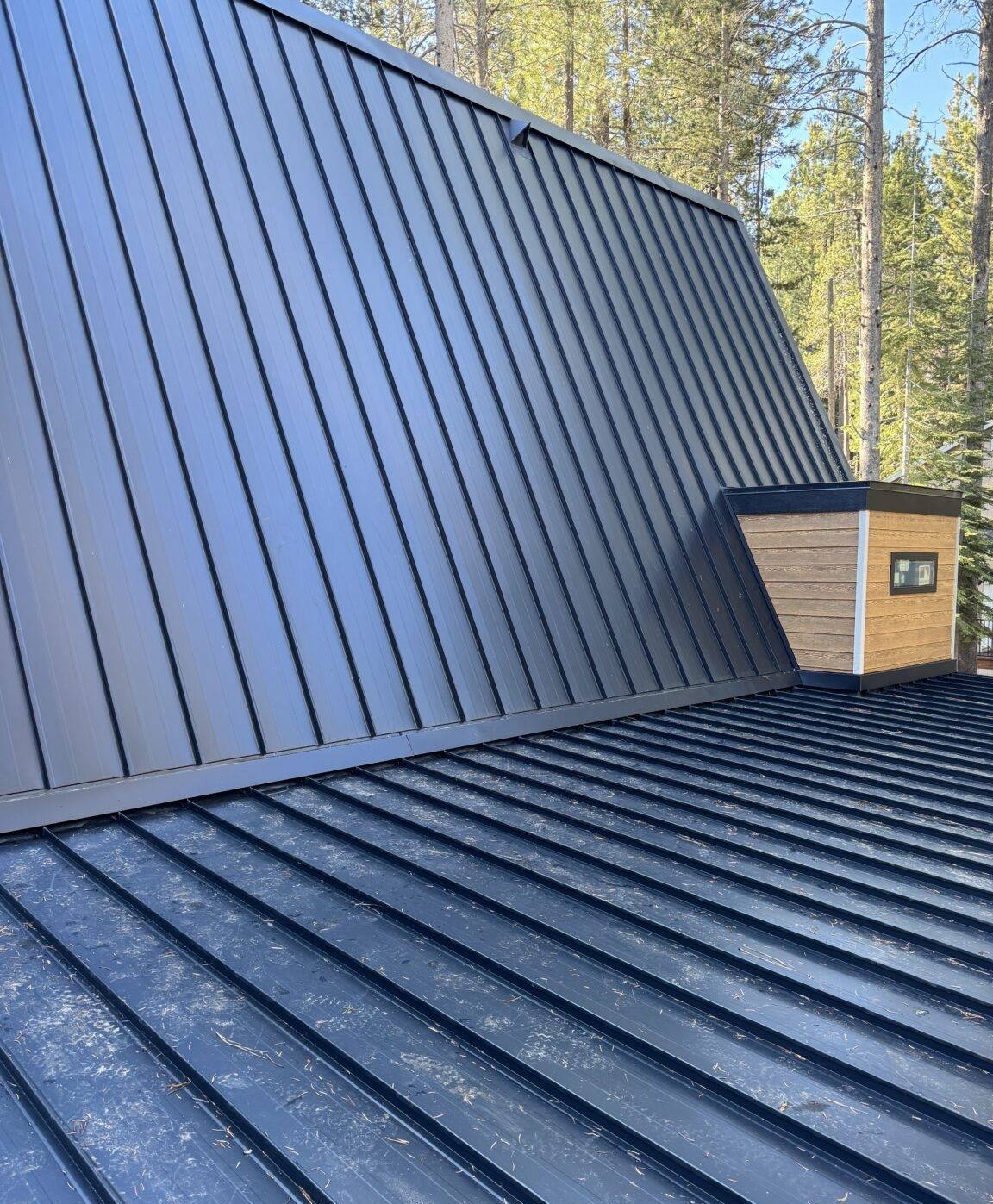
| Standing seam metal | Excellent; sheds driving rain and resists salt corrosion with proper coatings | Very good — smooth surface sheds moss and debris | Strong long-term option where budget allows |
| Synthetic/composite shake or slate | Good; consistent, engineered material handles moisture well | Good, with less maintenance than natural wood | Worth considering for homes wanting a shake look without the upkeep |
| Natural cedar shake | Requires diligent maintenance in this climate to manage moisture retention | Prone to moss and organic growth without regular treatment | We'll install it if requested, but we're upfront about the maintenance commitment it demands here |
We're not going to tell a homeowner a material is bad if it isn't — every option on this list can perform well when installed and maintained correctly. Our job is to be honest about which ones ask less of you over time in a climate that stays damp and shaded for long stretches of the year.
Ventilation and Moisture Control: The Part Homeowners Don't See
A new roof installed without correct ventilation will underperform no matter how good the shingles are. Balanced intake and exhaust ventilation keeps the attic space at a consistent temperature and humidity, which does two things that matter a lot in this climate: it reduces condensation building up on the underside of the deck, and it reduces the damp, still air that moss and algae thrive in. We check baffles at the eaves, confirm exhaust venting is adequate for the attic volume, and correct any gaps we find as part of every replacement — not as an upsell, but because a roof without proper airflow tends to fail from the inside before the shingles ever wear out.
Our Roof Replacement Process
- On-site inspection of the current roof, deck condition where visible, and ventilation setup
- A written estimate that spells out material, scope, and any deck repair contingencies before work starts
- Full tear-off of the existing roofing down to the deck
- Deck inspection and repair or replacement of any damaged sheathing
- Installation of underlayment, ice-and-water membrane, and new flashing
- Installation of the chosen roofing material to manufacturer specifications
- Ventilation check and correction where needed
- Full site cleanup, including a magnetic sweep for stray fasteners
- A final walkthrough so you can see the completed work before we consider the job done
Why a Crew That Already Works in Blaine Matters
Roofing crews that mostly work inland don't always account for the extra corrosion resistance, flashing detail, and moss-prevention steps that a coastal Whatcom County home actually needs. A crew that regularly works in Blaine knows to plan around weather windows here, specify fasteners and flashing that hold up to salt exposure, and recognize which shaded rooflines are going to fight moss regrowth without the right ventilation and material choices. That local familiarity shows up in fewer callbacks and a roof that's actually built for the conditions it has to survive, not just for a generic spec sheet.
What Affects the Cost of a Roof Replacement in Blaine
Every roof is different, and an accurate number only comes from an on-site look. But these are the factors that most often move the price up or down.
| Factor | Why It Matters |
|---|---|
| Roof size and pitch | More square footage and steeper pitches mean more material and labor time |
| Material choice | Asphalt, metal, and composite systems carry different material and installation costs |
| Number of existing layers | Tear-off of multiple old layers takes longer and costs more in disposal |
| Deck condition | Rotted sheathing found during tear-off requires repair or replacement before installation continues |
| Ventilation upgrades needed | Adding or correcting intake/exhaust venting adds material and labor |
| Accessibility | Steep sites, limited staging area, or difficult roof access can affect labor time |
We don't quote broad ranges without seeing the roof first, because the deck condition alone can change a project significantly once tear-off starts. What we can promise is a clear, itemized estimate before any work begins.
Keeping a New Roof Performing in This Climate
A correctly installed roof still benefits from basic upkeep in an environment this wet and shaded. A little attention each year goes a long way toward getting the full service life out of the investment.
- Have moss growth treated at the first sign of a mat forming, not after it's established
- Keep gutters clear so water doesn't back up under the roof edge during heavy rain
- Trim back overhanging branches that keep sections of the roof shaded and damp
- Have flashing and vent boots checked periodically, since these fail before the field material usually does
- Schedule a walk-through inspection every couple of years, especially after major windstorms
If your Blaine home's roof is showing signs of wear, or you'd just like an honest opinion on repair versus replacement, we're happy to take a look. Fill out the form below for a free, no-pressure estimate.