 Ferndale Exterior
 Board & Batten Siding Built for Custer's Weather, Not Just Its Look
Custer sits close enough to the water that salt-laden air is a daily fact of life, not an occasional nuisance. Add in Whatcom County's long wet season, a wind exposure that comes with open, rural land, and the shade cover that keeps moss thriving on north-facing walls for most of the year, and you've got a climate that is genuinely hard on exterior siding. Board & batten is one of the most popular styles we install in this area because of its clean, vertical look on farmhouses, shops, and newer builds alike — but the style is only as good as the material and installation behind it. A beautiful board & batten wall that traps moisture behind it is a problem waiting to surface, usually two or three winters in.
This page is about doing board & batten right, specifically for homes in and around Custer, where the combination of coastal air, rainfall, and rural wind load changes what "correct installation" actually means.
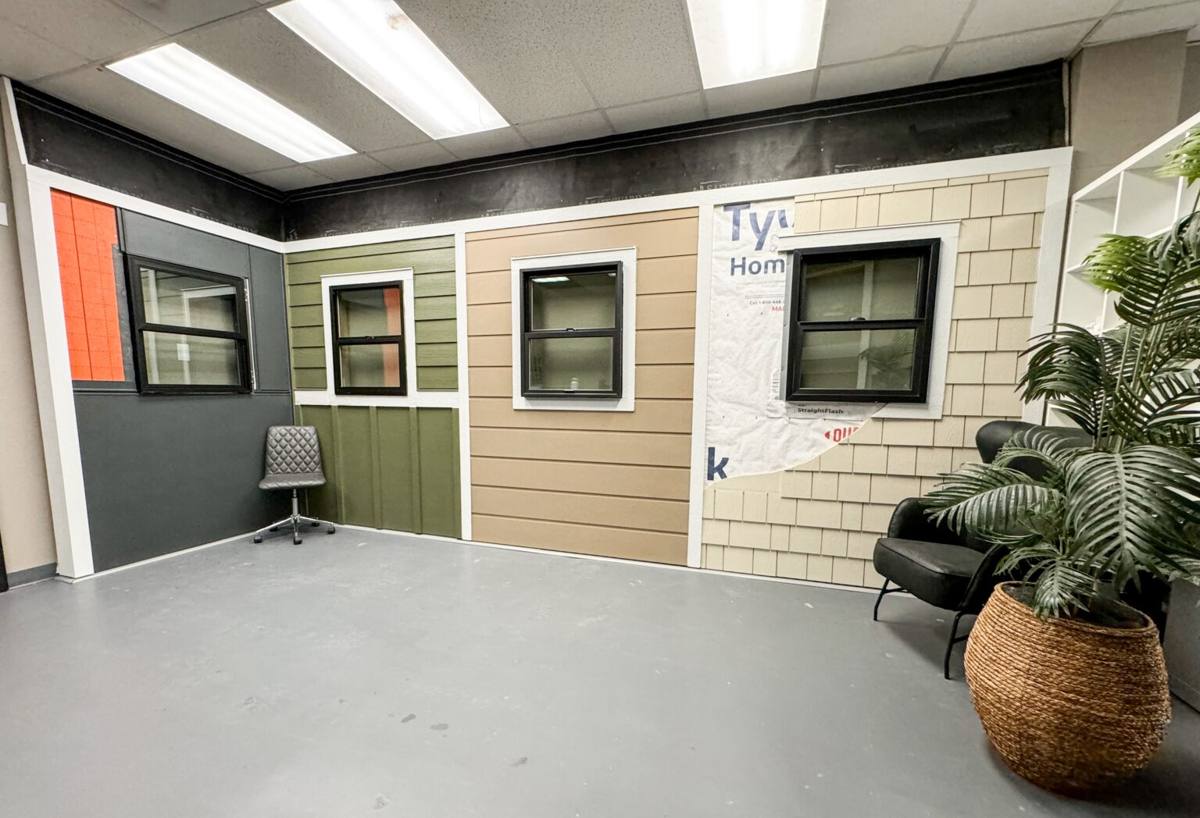
What Custer's Climate Actually Does to Siding
Three environmental factors shape almost every decision we make on a board & batten job out here:
Salt Air
Proximity to the Strait of Georgia and the Salish Sea means airborne salt settles on exterior surfaces year-round, not just during storms. Salt accelerates corrosion of fasteners and metal flashing, and it degrades paint film faster than it degrades further inland. Any board & batten system that relies on exposed or lightly protected metal trim, or on fasteners that aren't corrosion-rated, will show it first in a salt-exposed area like this.
Driving Rain
Whatcom County doesn't just get a lot of rain — it gets wind-driven rain that hits walls at an angle, which matters enormously for a vertical siding style. Board & batten has more seams per square foot than horizontal lap siding, because every batten strip creates a joint. Each of those joints is a potential entry point if the water management behind the siding isn't built correctly.
Moss and Prolonged Dampness
Shaded walls and roof-adjacent siding in this region can stay damp for days at a time during the fall and winter. Moss and algae don't just look bad on siding — sustained moisture against a wall surface is what breaks down materials that aren't built to handle it, and it's what turns small caulk failures into rot problems if they're not caught.
What Correct Board & Batten Installation Actually Involves
Board & batten looks simple from the street: vertical boards with narrow strips (battens) covering the seams. But the difference between a board & batten wall that lasts decades and one that fails early has almost nothing to do with the visible boards — it's in the layers you never see.
Rainscreen Gap
A drainage gap between the siding and the water-resistive barrier lets any moisture that gets past the surface drain and dry out instead of sitting against the wall sheathing. On a climate like Custer's, we treat this as standard, not optional.
Water-Resistive Barrier and Flashing
Every window, door, and horizontal transition needs flashing detailed so water sheds outward and downward, never inward. On a board & batten wall, this also means correct flashing at the base of the wall and at any horizontal band boards, since those are the points where wind-driven rain concentrates.
Fastening Pattern
Batten strips and boards both need fastening patterns matched to the manufacturer's specifications for the wind exposure in your area. Rural, open-field lots around Custer can see higher sustained wind loads than sheltered in-town lots, which affects fastener spacing and type.
Joint and Seam Treatment
Vertical seams between boards need to be backed and sealed correctly, not just butted together and caulked over. Caulk is a maintenance item, not a waterproofing system — it should be a backup layer, not the primary defense.
Why We Only Install James Hardie for Board & Batten
Board & batten is installed in several materials — vinyl, engineered wood (like LP SmartSide), real cedar or primed spruce boards, and fiber cement. We install James Hardie fiber cement exclusively, and in a climate like Custer's, the reasoning is straightforward.
| Material | Moisture Behavior | Maintenance Burden | Typical Long-Term Performance |
|---|---|---|---|
| James Hardie fiber cement | Does not absorb and swell like wood-based products; engineered for wet climates | Low — factory finish holds color, no repainting cycle needed for years | Strong track record when installed to spec, backed by a substantial product warranty |
| Engineered wood (LP SmartSide) | Wood-strand core; treated to resist moisture but still wood-based and can swell or delaminate if water gets behind it | Moderate — needs vigilant caulk and paint maintenance | Performance depends heavily on installation quality and ongoing upkeep |
| Vinyl | Doesn't absorb water, but panels can warp, crack, or fade; seams and joints are less controllable in board & batten profiles | Low, but limited repair options — damaged sections are often replaced, not patched | Shorter realistic lifespan in coastal wind and salt exposure |
| Real cedar or primed spruce | Natural wood; absorbs moisture readily, especially in a damp, shaded climate | High — regular refinishing, caulking, and moss/mildew treatment | Beautiful when maintained, but demanding in exactly the conditions Custer sees most |
None of these are "bad" products in every application — cedar has real appeal, and engineered wood has improved a lot over the years. But for a climate that combines salt air, sustained dampness, and driving rain, we've standardized on Hardie because it holds up with the least maintenance burden on the homeowner, and because its factory-applied ColorPlus finish is engineered to resist fading and cracking in exactly this kind of weather. We'd rather tell a homeowner honestly why we don't install a product than install something we know will create maintenance headaches five years down the road.
How We Approach a Board & Batten Project in Custer
Every property is different, but our process follows the same sequence on every job:
- On-site assessment. We look at wall orientation, shade exposure, existing moisture damage, and wind exposure specific to your lot — a wide-open Custer property gets evaluated differently than a wooded, sheltered one.
- Tear-off and sheathing inspection. We remove the old siding and inspect the sheathing underneath for rot or existing water damage before anything new goes up. This step gets skipped by crews trying to move fast, and it's the single biggest source of hidden problems later.
- Water-resistive barrier and rainscreen installation. This is the layer that actually protects your home; we don't treat it as an afterthought.
- Flashing at every penetration. Windows, doors, hose bibs, vents, and horizontal transitions all get properly integrated flashing before siding goes over them.
- Board and batten installation to manufacturer spec. Correct fastener type, spacing, and gapping for expansion, following James Hardie's published installation instructions.
- Final detailing and walkthrough. Caulking at appropriate joints, trim finishing, and a walkthrough so you understand what maintenance (if any) is expected going forward.
Signs Your Current Siding Isn't Handling Custer's Climate Well
If you're not sure whether your siding needs attention now or can wait, these are the warning signs we look for first:
- Persistent moss or dark streaking on north- or shade-facing walls that comes back shortly after cleaning
- Soft or spongy spots when pressing gently on boards near the base of the wall or below windows
- Visible gaps, warping, or separation at vertical batten seams
- Peeling or bubbling paint, especially on wood-based board & batten siding
- Rust staining running down from fasteners or metal trim pieces
- Interior signs like musty smells or discoloration on walls that back up to exterior siding
What Affects the Cost of a Board & Batten Project
We don't publish blanket prices because every home is different, but these are the real factors that move the number up or down:
| Cost Factor | Why It Matters |
|---|---|
| Extent of sheathing repair needed | Hidden rot found during tear-off has to be repaired before new siding goes on — this is discovered, not predictable, until removal |
| Wall height and complexity | Multi-story walls, dormers, and cut-up rooflines take more labor and material per square foot than simple, flat wall runs |
| Trim and batten spacing chosen | Narrower batten spacing means more material and more fastening labor than wider spacing |
| Color and finish selection | Factory-finished ColorPlus options versus field-painted options affect both cost and long-term maintenance |
| Access and site conditions | Rural Custer lots with long driveways, septic systems, or landscaping close to the house can affect staging and scaffolding logistics |
Maintenance Expectations After Installation
One advantage of a correctly installed James Hardie board & batten system in this climate is how little ongoing work it asks of you. That said, "low-maintenance" isn't "no-maintenance," and being upfront about that is part of doing this job honestly.
Plan on an annual visual check of caulked joints and trim, especially after the wetter fall and winter months. A soft wash to remove moss and algae buildup on shaded walls every year or two keeps growth from taking hold long-term — pressure washing directly at high pressure can damage siding finishes and force water behind panels, so a gentler approach is worth the extra care. Keep an eye on anywhere landscaping, gutters, or downspouts direct water toward the base of a wall, since concentrated water flow is harder on any siding material than general rainfall.
Why Hiring a Crew That Already Works in Custer Matters
Board & batten installation isn't unique to this region, but the conditions it has to survive here are specific: salt exposure from proximity to the water, wind loads that differ from sheltered in-town lots, and a moss season that runs longer than in drier parts of the state. A crew that installs siding across many different climates may default to generic specifications that don't account for any of that. A crew that works Custer and the surrounding Ferndale and Whatcom County area regularly makes those adjustments — fastening pattern, flashing detail, rainscreen design — as a matter of course, because they've seen what happens when those details are skipped in this exact weather.
That local familiarity also matters for something less technical but just as important: knowing what realistic timelines look like around the region's weather windows, and being straightforward about when a project should wait for a drier stretch versus when it can proceed.
Ready to Talk About Your Custer Home?
If you're considering board & batten siding for a home in Custer, we're happy to walk the property with you, look at your specific wall exposures, and talk through what a correct installation would involve — no pressure, no hard sell. Fill out the form below to request a free estimate.