 Ferndale Exterior
 Decks in Custer Take a Different Kind of Beating
Custer sits close enough to the water and open farmland that decks here deal with a mix most inland Washington towns don't see: salt-laden air off the Strait, wind-driven rain that gets pushed sideways under railings and through board gaps, and a moss season that can run from October clear into May. Add Whatcom County's long stretch of gray, low-sun days, and you've got a structure that's wet more often than it's dry for half the year. That combination doesn't just make a deck look tired — it works on the wood and hardware in ways a sunnier climate never would.
We're a Ferndale-based crew that works Custer regularly, and the pattern we see is consistent: decks that were built to a fine standard for a drier region start failing here 8 to 15 years sooner than their warranty or lumber grade would suggest. That's not a knock on the original builder — it's just what this coastal, moss-heavy microclimate does to anything with exposed fasteners, unflashed ledger boards, or end-grain that stays damp.
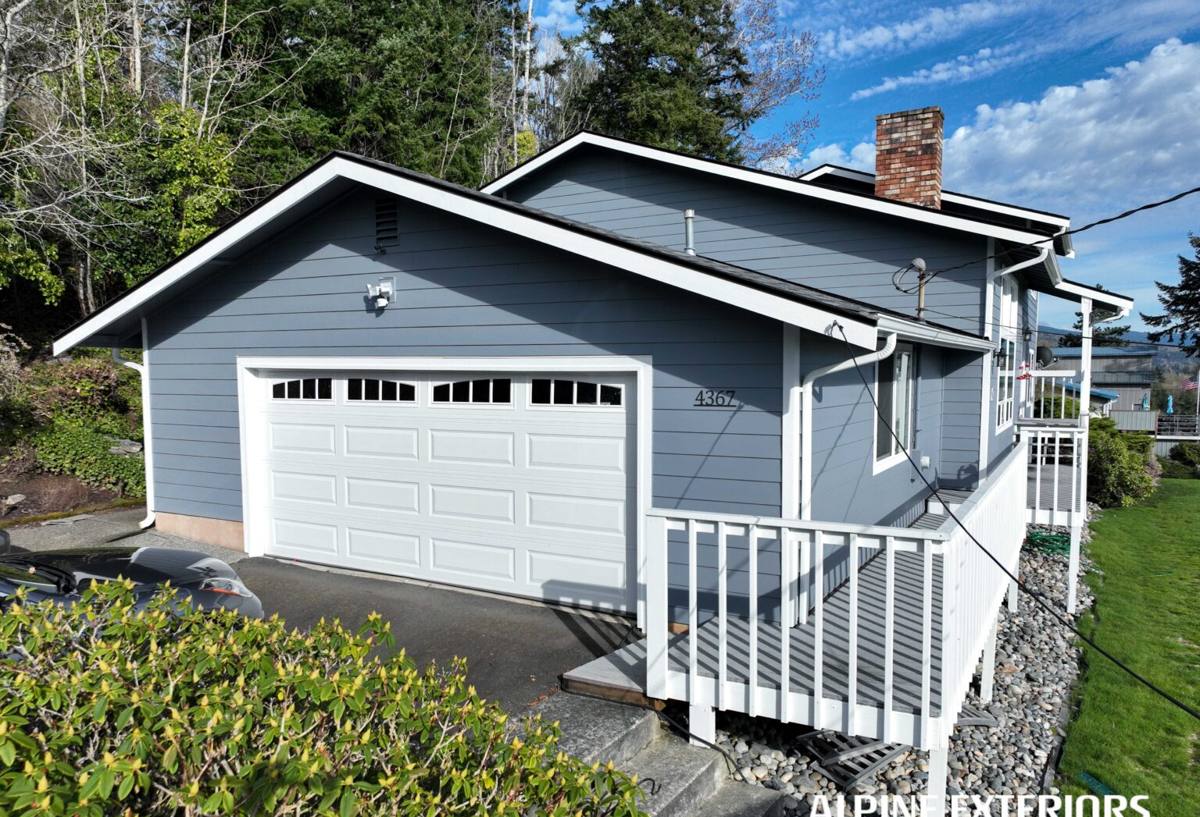
Why Replacement, Not Repair, Is Often the Honest Answer
We'd rather talk you out of a full replacement than talk you into one — repair is cheaper and sometimes it's genuinely the right call. But there's a point where patching individual boards or sistering a joist just delays a bigger problem, especially when the ledger connection or the framing underneath is compromised.
Signs a Custer deck has crossed that line
- Soft or spongy spots when you walk the deck, especially near the house or stair stringers
- Persistent moss or algae staining that comes back within weeks of cleaning
- Visible gaps or dark staining where the deck meets the house siding — a sign the ledger flashing has failed
- Rust streaks around fasteners or joist hangers, or hangers you can wiggle by hand
- Railing posts that flex more than a small amount when pushed
- More than a handful of boards cupping, splitting, or delaminating at the same time
- A deck older than 15–20 years that's never had the substructure inspected
If you're seeing one or two of these, a repair might buy you real time. If you're seeing several at once, that's usually a sign the structure — not just the surface — has been absorbing water for years, and replacement is the more honest use of your money.
What a Correct Deck Replacement Actually Involves
A deck replacement done right in this climate is as much about what's underneath the boards as what's on top. The decking material gets the attention, but the parts that actually determine whether the deck lasts are the ones you won't see once it's finished.
The details that matter most here
Ledger board flashing. Where the deck attaches to the house is the single most common failure point in wet coastal climates. Proper flashing — installed so water sheds away from the house, not into the rim joist — is non-negotiable, not an upgrade.
Footings and post bases. Custer's mix of clay-heavy and variable soils means footings need to be sized and set to local frost and drainage conditions, with post bases that keep the wood off standing water, not buried in it.
Joist protection. Joist tape or a comparable protective barrier over the top of each joist keeps water from pooling in deck screw holes and starting rot from the inside out — a cheap step that prevents an expensive problem.
Fastener grade. Salt air corrodes standard fasteners faster than most homeowners expect. Stainless or coated hardware rated for coastal exposure costs more up front and avoids the rust-streaked, structurally weakened connections we see on older decks.
Airflow underneath. Decks built too close to grade or without enough ventilation underneath trap moisture and accelerate rot and moss growth. Getting the height and gapping right during a rebuild fixes a problem that repairs alone can't.
Decking Material Options for This Climate
There's no single "best" decking material — there's a best fit for your budget, your maintenance appetite, and how much moss and moisture exposure your specific lot gets. Here's how the common options compare for a property like the ones we see in Custer:
| Material | Moisture behavior | Moss/algae resistance | Maintenance | Typical lifespan here |
|---|---|---|---|---|
| Pressure-treated pine | Absorbs water readily; needs sealing | Low — needs regular cleaning and treatment | Annual cleaning + resealing every 1–2 years | 10–15 years |
| Cedar | Naturally moisture-resistant, still needs sealing | Moderate — better than pine untreated | Cleaning + oil/sealant every 1–2 years | 15–20 years |
| Composite (capped) | Doesn't absorb water into the core | High — resists staining, easy to clean | Occasional washing, no sealing | 25–30+ years |
| PVC | Fully water-resistant | High | Occasional washing, no sealing | 25–30+ years |
Given how much of the year Custer decks stay damp, we lean toward capped composite or PVC for most full replacements — the upfront cost is higher, but the maintenance burden drops substantially and you're not fighting moss every spring. That said, plenty of homeowners prefer the look and feel of real wood and are willing to keep up with the maintenance; if that's you, cedar holds up noticeably better here than pressure-treated pine over the long run. We'll walk through the honest tradeoffs for your specific deck rather than push one product.
How Our Deck Replacement Process Works
We keep the process straightforward, and every step is aimed at making sure the new deck doesn't inherit the same problems as the old one.
- On-site assessment. We inspect the existing deck, ledger connection, footings, and framing to confirm replacement is the right call and identify any structural surprises before we quote.
- Design and material selection. We talk through decking material, railing style, and layout based on your budget and how the space gets used.
- Permitting. We handle the permit application and inspections required for the scope of work — see below.
- Demolition and disposal. Full removal of the old structure, including hauling.
- Framing rebuild. New footings, posts, joists, ledger flashing, and joist protection installed to current code and to hold up in this climate.
- Decking and railing installation. Your chosen material installed with corrosion-resistant fasteners and proper spacing for drainage and airflow.
- Final walkthrough and inspection sign-off. We review the finished deck with you and make sure any required county inspections are closed out.
Permits and Whatcom County Considerations
Most deck replacements that involve new footings, structural framing, or a deck that exceeds a certain height above grade require a permit through Whatcom County. Requirements shift depending on square footage, attachment to the house, and railing height, so we don't guess — we confirm what applies to your specific project and handle the application and inspection scheduling as part of the job. Skipping this step might save a little time up front, but it can create real problems at resale or with insurance later, so we don't cut that corner.
Keeping a New Deck Looking Good Through Ferndale's Wet Season
Even the best-built deck benefits from a little seasonal attention, especially with moss season running as long as it does here.
- Sweep debris and standing leaves off the deck regularly through fall — trapped organic matter is what feeds moss and algae growth
- Rinse composite or PVC decking a few times a year to prevent surface staining before it sets in
- For wood decking, plan on cleaning and resealing on a 1–2 year cycle rather than waiting until it looks bad
- Check that gaps between boards stay clear so water keeps draining through, not pooling on the surface
- Have railings and stair connections checked periodically — these take the most stress and are often the first thing to loosen
- Keep an eye on the area where the deck meets the house; that's still the spot most likely to show an early flashing problem
Why a Crew That Already Works Custer Makes a Difference
Deck replacement isn't a one-size-fits-all job, and a lot of the decisions — footing depth, fastener grade, how much airflow to build in underneath, which decking material actually earns its higher price tag here — come down to knowing how this specific stretch of Whatcom County behaves. A crew that works Custer and the surrounding Ferndale area regularly has already seen how salt air, driving rain, and moss treat different materials and builds over the years, and that shows up in fewer callbacks and decks that hold up the way they're supposed to. We're not learning this climate on your project.
If your deck is showing its age or you're just not sure whether repair or replacement makes sense, we're happy to take a look and give you a straight answer. Reach out for a free, no-pressure estimate using the form below.