 Ferndale Exterior
 Windows Built for Where Lummi Nation Actually Sits
Homes on and around Lummi Nation sit close to saltwater, open to wind off Bellingham Bay and the Strait of Georgia, and under a marine cloud layer that keeps things damp for a big part of the year. That combination is harder on windows than most inland neighborhoods ever have to deal with. Salt-laden air corrodes hardware and finishes faster, driving rain finds its way into any gap the flashing doesn't fully seal, and long stretches of shade and moisture feed moss and mildew on sills, trim, and glazing. If a window wasn't installed with that environment in mind, it usually shows up first as a draft, then as a soft spot in the sill, then as a bigger repair.
We work windows into homes across Whatcom County, and the properties out toward Lummi Nation get treated differently than a job in a more sheltered part of Ferndale. Product selection, sealing details, and even the order of operations on install day change when the house is exposed to wind-driven rain and salt spray. This page walks through what that actually looks like.
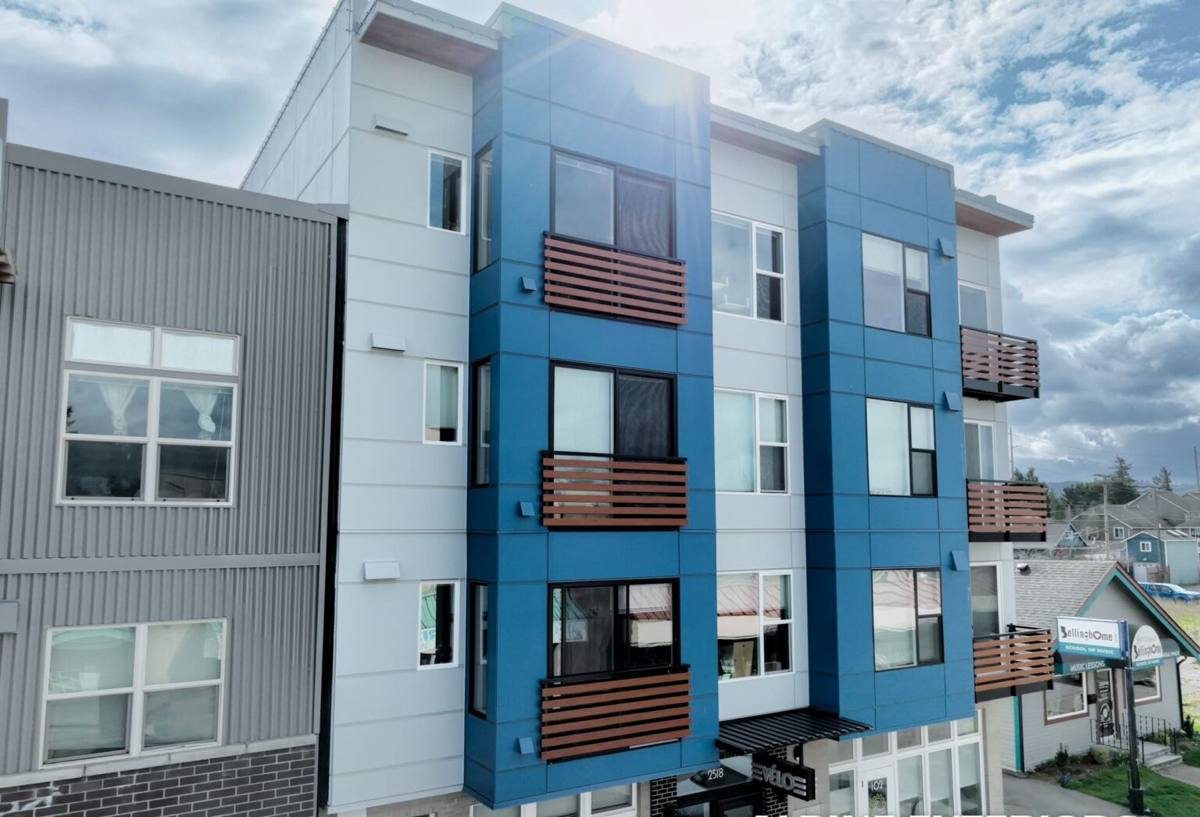
What Salt Air, Driving Rain, and Moss Season Do to Windows
Salt air
Airborne salt settles on everything, including window hardware, aluminum cladding, and exposed fasteners. Over years it accelerates corrosion on lower-grade hardware and can pit or discolor finishes that aren't rated for coastal exposure. It's not usually dramatic — it's slow, and it's why a hinge or lock that would last decades a few miles inland can start sticking or staining much sooner near the water.
Driving rain
Whatcom County storms don't always come straight down. Wind off the water pushes rain sideways into window walls, which puts real pressure on flashing, sill pans, and the seal between the window unit and the rough opening. A window that's watertight in a light, vertical rain can still leak under wind-driven rain if the flashing details weren't done correctly the first time.
Moss season
Shaded, north-facing, and tree-adjacent walls stay damp for long stretches of the year, and moss and algae take hold on sills, trim, and even glazing. Beyond the cosmetic issue, moss holds moisture against wood and painted surfaces, which shortens the life of anything not built or finished to handle sustained dampness.
Signs Your Current Windows Are Costing You Money
Older or poorly installed windows rarely fail all at once. They usually give you a series of smaller signals first:
- Cold drafts near the frame even when the window is fully latched
- Condensation or fogging between panes on double- or triple-glazed units (a sign the seal has failed)
- Visible gaps, cracked caulk, or peeling paint at the frame-to-siding joint
- Soft or discolored wood at the sill or bottom corners
- Hardware that's stiff, corroded, or won't latch tight anymore
- A noticeable jump in heating costs compared to similarly sized homes nearby
- Moss or dark staining building up on sills and trim year over year
Any one of these on its own might just mean the window needs attention. Several at once, especially on the same wall, usually means moisture has been getting in for a while and the window and surrounding framing need a real look, not just a caulk touch-up.
What a Correct Energy-Efficient Window Installation Actually Involves
Swapping glass for glass isn't the job — the job is making sure water, air, and moisture management all work together. That means:
Removal without hidden damage
We pull the old unit and check the rough opening and sill before anything new goes in. In a coastal, high-moisture area, this is where problems get caught early — rot, old failed flashing, or framing that needs to dry out or be repaired before a new window can be trusted to perform.
Sill pan and flashing, done in the right order
A sloped sill pan and correctly lapped flashing (so each layer sheds water onto the layer below it, never the reverse) is what actually keeps driving rain out. This is the single most common thing we find missing or done wrong on older coastal installs.
Air sealing that isn't just caulk
Foam backer rod and low-expansion sealant around the frame perimeter, combined with proper interior air sealing, is what stops the draft complaints — not a bead of exterior caulk alone.
Glass and gas fill matched to exposure
Low-E coatings and the right gas fill (typically argon) cut heat loss and reduce condensation risk, which matters more in a persistently damp climate than in a dry one.
Hardware and finish rated for salt exposure
Corrosion-resistant hardware and finishes hold up longer this close to the water. It costs a little more up front and saves you a hardware replacement down the line.
Frame Material: What Holds Up Best in This Climate
There's no single "best" window material for every home — it depends on your budget, your home's style, and how exposed the wall is. Here's how the common options actually compare for a coastal Whatcom County property:
| Frame Type | Moisture & Salt Air Behavior | Maintenance | Typical Fit |
|---|---|---|---|
| Vinyl | Good — won't rot or corrode, handles damp exposure well | Low — occasional cleaning | Most homes, best value |
| Fiberglass | Very good — dimensionally stable, resists moisture and salt well | Low | Higher-exposure walls, longer-term investment |
| Wood (unclad) | Requires diligent upkeep — vulnerable to sustained moisture and moss if finish isn't maintained | High — regular refinishing needed | Historic or specific-style homes where the look matters |
| Aluminum-clad wood | Good exterior protection, but cladding seams need attention near salt air | Moderate | Homes wanting a wood interior look with better exterior durability |
For most Lummi Nation-area homes, we lean toward vinyl or fiberglass on exposed walls simply because they don't give moisture and salt air anything to work on over time. Where a homeowner wants a wood interior look, we still steer toward clad options on the exterior-facing side rather than bare wood in the most exposed locations — that's a maintenance decision, not a knock on wood windows in general.
Our Process, Start to Finish
- On-site assessment — we look at existing windows, sills, and any signs of past water intrusion before recommending anything
- Honest scope and options — full replacement versus targeted repair, with the trade-offs explained plainly
- Product selection — frame material, glass package, and hardware matched to the wall's actual sun and weather exposure
- Written estimate — clear line items, no surprise add-ons later
- Install — proper removal, sill and flashing work, air sealing, and setting the new unit plumb and square
- Final check — operation, seal, and exterior finish reviewed with you before we call it done
What Affects the Cost
Every home is different, but these are the main factors that move a window project's price up or down:
| Factor | Why It Matters |
|---|---|
| Number and size of openings | More or larger windows means more material and labor |
| Frame material | Vinyl is typically the most budget-friendly; fiberglass and clad-wood cost more up front |
| Condition of the rough opening | Rot or old failed flashing found during removal adds repair time before the new window goes in |
| Glass package | Triple-pane and specialty coatings cost more than standard double-pane Low-E |
| Wall exposure | Higher wind and rain exposure walls may call for extra flashing and sealing work |
| Access | Second-story or hard-to-reach windows take more time and equipment |
We'd rather walk your home and give you real numbers than throw out a broad range that doesn't mean much once we see what's actually going on with your openings.
Keeping New Windows Performing in This Climate
A well-installed window still benefits from a little seasonal attention, especially this close to the water:
- Rinse sills and tracks periodically to keep salt residue and grit from building up
- Check and clean weep holes so water can drain out rather than pool
- Remove moss and algae from sills and trim before it holds moisture against the surface long-term
- Inspect exterior caulking once a year and touch up any cracked or separated sections
- Test locks and hardware for smooth operation, especially after winter storm season
- Watch for condensation between panes — it's an early sign a seal has failed and is worth addressing before it leads to a bigger issue
Why It Matters That We Already Work in This Area
Window work near Lummi Nation isn't the same job as window work in a sheltered inland neighborhood, and a crew that hasn't spent time on homes exposed to Bellingham Bay's wind and salt air can miss details that only show up after a few storm seasons. We've done this work across Whatcom County long enough to know which walls take the worst of the weather, which flashing details actually hold up under driving rain, and which hardware and finishes are worth the extra cost this close to the water. That's not a sales pitch — it's just what it takes to do the job once and have it stay done.
If your windows are drafty, fogged, or just old enough that you're wondering whether it's time, we're glad to come take an honest look. Reach out for a free, no-pressure estimate using the form below — we'll walk the home, tell you what we actually see, and give you real options and real numbers.