 Ferndale Exterior
 Siding Installation for Lummi Nation Homes
Installing siding on a home near Lummi Nation is a different job than installing the same product a few miles inland. The peninsula sits out where Whatcom County meets open water directly, and that location changes what a siding job has to get right: heavier salt air off Bellingham Bay and the Strait, rain that gets pushed sideways by wind instead of falling straight down, and a moss season that stays active on shaded walls for most of the year. This page is specifically about the installation itself — what the job requires, how we approach it, and why the crew doing the work matters as much as the material going up.
We install James Hardie fiber cement siding, and only James Hardie, on every job we take in this area. That's not a starting point for a sales pitch. It's the standard we apply before we ever talk about install detail, because no installation crew can out-work a material that's fighting the climate from the inside.
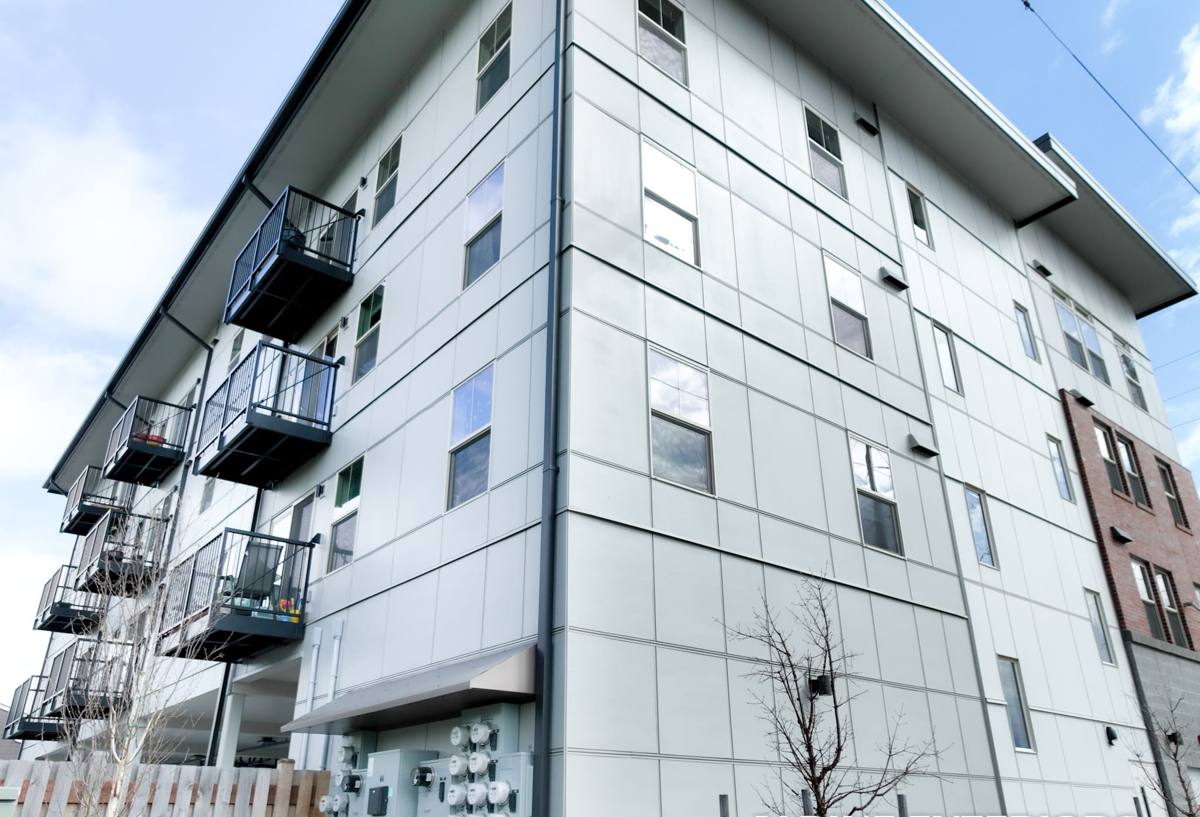
What Lummi Nation's Climate Asks of a Siding Installation
Salt Air, Close to the Source
The closer a property sits to open water, the more salt-laden moisture settles onto every exposed surface, and Lummi Nation's peninsula location puts a lot of homes closer to that exposure than most of Ferndale proper. Salt accelerates corrosion in fasteners and flashing and breaks down lower-grade finishes faster than a drier, inland install would experience. An installation crew working this area needs to be thinking about fastener grade and finish durability as part of the job, not as an afterthought.
Wind-Driven Rain
Open water means less windbreak, and wind is what turns rain into a sideways problem instead of a straight-down one. Wind-driven rain gets pushed into lap joints, trim seams, and anywhere flashing isn't doing its job. That's a harder test on installation quality than a simple rainfall total suggests — a lap that's slightly under-driven or a flashing detail that's slightly off won't show a problem in a calm, dry stretch, but it will during the next storm coming off the water.
A Long Moss and Mildew Season
Peninsula terrain, tree cover in places, and near-constant dampness add up to a moss and mildew season that runs longer here than in drier parts of the county. It shows up first on north-facing walls and shaded elevations. For an installation crew, that means clearances, drainage planes, and ventilation gaps behind the siding aren't optional details — they're what keeps sustained moisture from turning into trapped moisture against the wall assembly.
Why James Hardie Is the Only Product We Install
We used to install a broader range of siding products. We narrowed to one system after seeing which materials actually held up under sustained coastal exposure like Lummi Nation gets, and which ones quietly pushed maintenance risk back onto the homeowner a few years down the road.
- Non-combustible core: Fiber cement doesn't feed a fire the way wood-based or wood-derived siding products can, which matters for household safety and insurance underwriting.
- Factory-applied ColorPlus finish: The color is baked on under controlled conditions rather than brushed on in the field, so it holds up against salt exposure and UV far longer than site-applied paint — an advantage that matters more here than almost anywhere else in the county.
- Climate-engineered HZ5 formulation: Hardie's HZ5 product line is built for regions with heavy, sustained moisture exposure and freeze-thaw cycling, which is a close match for a Lummi Nation property.
- Dimensional stability: Fiber cement doesn't swell, cup, or warp the way engineered wood siding can after repeated wet-season moisture cycles.
- Strong transferable warranty: Hardie backs its products with a robust warranty structure, provided the installation follows spec, which is real protection rather than a marketing claim.
We don't install LP SmartSide, vinyl siding, Cemplank, Allura, primed spruce, or cedar. Each has a legitimate place in the broader market and plenty of satisfied owners in calmer climates. But we made a professional call that on a peninsula with this much sustained salt and wind exposure, one system we trust completely and know how to install correctly is worth more than offering a cheaper option and hoping the trade-offs don't catch up with the homeowner.
What a Correct Installation Actually Involves
Material choice only gets a Lummi Nation home halfway there. The rest comes down to installation discipline, and on an exposed property, shortcuts show up faster — sometimes within a single wet season instead of several.
Tear-Off and Substrate Inspection
We pull the old siding rather than installing over it whenever the substrate needs to be seen. Overlay can hide rot, trapped moisture, and framing damage that's common on older siding in this climate, and covering it instead of addressing it just delays a bigger problem. Tear-off also lets us confirm the sheathing underneath is sound before anything new goes on it.
Weather-Resistive Barrier and Flashing
A correctly installed house wrap and flashing system is what actually keeps wind-driven rain out of the wall — not caulk, which is a maintenance item with a limited service life, not a primary defense. Flashing at windows, doors, and every horizontal trim transition has to be lapped correctly, shingle-style, so water moving down the wall stays on the outside of the barrier the whole way down.
Fastening Pattern and Clearances
Exposed peninsula lots call for fastening patterns rated for higher wind exposure than a sheltered inland install would need. We also hold correct clearances from grade, roofline, and decking, since tight clearances are one of the more common ways moisture gets wicked into the bottom edge of a siding installation over time.
Joint and Seam Detail
Joints get lapped and sealed to spec rather than simply butted together and caulked over. On a property taking this much direct rain, a joint that relies entirely on caulk to stay dry is a joint that's going to need attention again in a few years — good installation detail reduces how much of the job's long-term performance depends on caulk maintenance at all.
Our Installation Process
- Walk the property in person to assess current siding condition, substrate risk areas, and site-specific exposure — a shaded north wall or a lot with less windbreak gets treated differently than a sheltered south-facing elevation.
- Provide a written estimate that specifies tear-off versus overlay, the Hardie product line and profile, and the fastening and flashing approach for that specific property.
- Tear off old siding and inspect sheathing and framing before anything new is installed, flagging any repair work needed before the job proceeds.
- Install house wrap, flashing, and drainage details first, since these do most of the actual work of keeping water out.
- Install James Hardie siding to spec: correct fastening pattern, correct clearances, properly lapped and sealed joints.
- Final walk-through with the homeowner to review the completed work before we consider the job done.
Siding Installation Cost Factors
| Factor | What It Affects | Why It Matters Here |
|---|---|---|
| Tear-off vs. overlay | Labor scope and substrate access | Tear-off reveals hidden moisture and rot damage that's common under older siding on exposed lots |
| Substrate repair needs | Cost before new siding goes on | Long-term trapped moisture can rot sheathing and framing on a peninsula property |
| Wind rating and fastening spec | Material and labor requirements | Exposed lots near open water often call for tighter fastening patterns than sheltered sites |
| Siding profile and trim detail | Material cost and install time | More trim and corner detail means more joints that need to be done correctly |
| Site access | Labor time and equipment needs | Peninsula lots can have limited access, steeper grades, or tighter staging areas |
Exact costs depend on the specific property and its exposure, which is why we walk the home in person before giving a real number instead of quoting off a generic price sheet.
Signs an Existing Siding Installation Was Done Wrong
- Soft or spongy siding low on the wall, around trim, or near roof-to-wall transitions
- Gaps at seams, corners, or trim joints where wind-driven rain can track in
- Caulk that's cracked, missing, or clearly carrying the weight of keeping a joint dry on its own
- Siding installed tight to grade, decking, or roofline with little to no clearance
- Moss or dark staining that returns quickly after cleaning, especially on shaded or north-facing walls
- Rusting fasteners or corroding flashing visible at trim and joint lines
- Panels that look butted rather than properly lapped at horizontal seams
Why a Crew That Already Works Lummi Nation Matters
A crew that installs siding on this specific stretch of Whatcom County regularly understands how salt air, wind-driven rain, and a long moss season behave on real peninsula homes over a full year, not just how a product performs on a spec sheet. That experience shapes decisions on install day: which wall orientations need extra flashing attention, where clearances matter most, and which fastening details are worth the added time so a homeowner isn't dealing with a callback after the next winter storm. Lummi Nation's proximity to open water means its homes see a heavier version of the same exposure the rest of Ferndale deals with, and a crew with hands-on experience here treats that difference seriously instead of applying a one-size-fits-all installation approach built for a calmer inland lot.
If your property sits on or near tribal land, it's also worth confirming which permitting process applies before work starts, since that can differ from standard county rules depending on where the property sits relative to reservation boundaries. We're glad to talk through what we know from past work in the area, but homeowners should verify current requirements for their specific property.
If you're planning a new siding installation, replacing an aging or failing installation, or just want an honest opinion on whether your current siding was put on correctly, we're glad to take a look. Use the form below to schedule a free, no-pressure estimate.