 Ferndale Exterior
 Why Marietta Windows Take More of a Beating
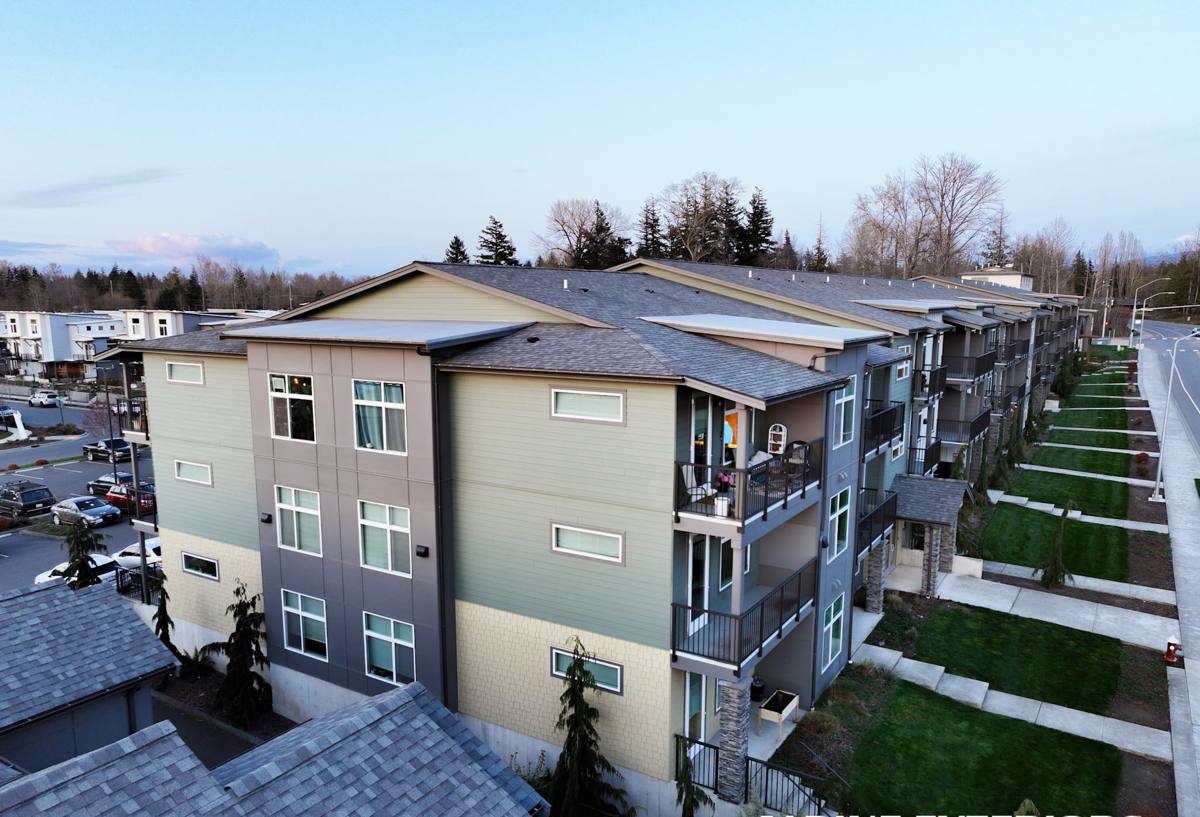
Marietta sits close to the water on the edge of Ferndale, which means homes here catch marine air moving in off Bellingham Bay along with whatever weather rides in behind it. That combination of salt-laden air, near-constant humidity, and driving winter rain is harder on window systems than most manufacturers' warranty language assumes. Frames, seals, and glazing that would last decades in a drier inland climate can start showing problems in half that time when they're installed without the right prep for a coastal Whatcom County lot.
We're not talking about dramatic failure. It's usually slower and quieter than that: a seal that goes soft a few years early, a sill that stays damp longer than it should after a storm, hardware that starts to pit and stick. By the time a homeowner notices drafts or fogging between panes, the underlying moisture problem has often been building for a while. Custom window work in Marietta has to account for that from day one, not treat it as an afterthought.
What Salt Air and Driving Rain Actually Do to a Window
Salt Air
Airborne salt is corrosive to exposed metal — hinges, cranks, locks, and especially lower-grade aluminum components. It also breaks down some sealants and finishes faster than inland exposure would, which is why we pay close attention to hardware finish and frame material on any Marietta job, not just glass performance.
Driving Rain
Wind-driven rain doesn't fall straight down — it gets pushed sideways into wall assemblies, which puts real pressure on flashing details and the water-resistive barrier around a window opening. A window that's watertight in calm weather can still leak in a sideways storm if the flashing and integration with the wall aren't done correctly. This is one of the most common failure points we find on older installs.
Moss and Persistent Moisture
Whatcom County's long wet season keeps humidity high for months at a stretch, which is exactly the environment moss and mildew need to establish themselves on sills, trim, and any wood surface that stays damp. Once moss gets a foothold near a window opening, it holds moisture against the building longer, which accelerates rot in untreated wood components and can eventually compromise the seal around the unit itself.
What a Correct Window Installation Involves
A window is only as good as the opening it's installed into. In a climate like this, the installation details matter more than the brand name on the frame. A correct job includes:
- Removing the old unit without damaging the surrounding framing, and inspecting that framing for hidden rot or moisture damage before anything new goes in
- Repairing or replacing any compromised sheathing, sill framing, or trim discovered during removal — not just installing over it
- Installing flashing in the correct shingle-lap order so water is directed outward and downward, never trapped behind the window
- Using sealants and tapes rated for exterior, high-moisture exposure, applied at the manufacturer's specified points — not just a bead of caulk around the trim
- Shimming and leveling the unit so it operates correctly and doesn't rack or bind over time
- Insulating the gap between the frame and the rough opening properly, without over-packing it in a way that bows the frame
- Sealing and finishing the interior and exterior trim so no gap is left for moisture or air infiltration
Skip or rush any one of these steps and the window itself becomes almost irrelevant — water and air will find the shortcut.
Choosing Window Materials for a Marietta Property
There's no single "best" window material for every home — it depends on exposure, budget, and how much upkeep a homeowner wants to take on. Here's how the common options hold up specifically against salt air, driving rain, and a long moss season:
| Frame Material | Coastal/Moisture Performance | Maintenance | General Cost Position |
|---|---|---|---|
| Vinyl | Good — won't corrode or rot, handles humidity well | Low — occasional cleaning | Lower to mid |
| Fiberglass | Excellent — very stable in wet/humid swings, resists warping | Low | Mid to higher |
| Wood (unclad) | Requires diligent upkeep — prone to rot and moss growth if finish fails | High — regular refinishing | Mid to high |
| Wood-clad (exterior clad) | Good exterior protection if cladding and flashing are done right | Moderate | Higher |
| Aluminum (standard) | Weaker choice near salt air unless specifically coated/protected | Moderate | Lower to mid |
We generally steer Marietta clients away from unclad wood on any elevation that takes direct weather, not because wood is a bad material, but because it demands a level of ongoing maintenance most homeowners don't want to keep up with in this climate. Vinyl and fiberglass tend to be the more forgiving, lower-maintenance choices for exposed walls, while clad wood can still work well on more protected elevations if the cladding and flashing details are handled correctly.
Glass and Hardware Choices That Matter Here
Beyond the frame, a few glazing and hardware decisions make a real difference in a marine climate:
- Dual or triple-pane glazing — helps with both energy performance and reducing condensation on the interior pane during cold, damp stretches
- Low-E coatings — improve comfort and reduce fading from UV exposure without significantly darkening the glass
- Corrosion-resistant hardware — stainless or coated fasteners and cranks last noticeably longer than standard-grade hardware once salt air gets into the mix
- Weep hole design — the small drainage channels that let any moisture that does get into the frame track escape outward instead of pooling
None of these are exotic upgrades — they're standard options on most quality window lines. The key is specifying them deliberately for this location rather than defaulting to whatever the builder-grade package includes.
Signs Your Current Windows Are Losing the Fight
Homeowners in Marietta often ask how to tell whether it's time to replace windows versus just re-caulk and wait. A few signs point clearly toward replacement rather than a patch job:
- Fogging or a visible haze between panes — this means the seal has failed and the insulating gas is gone; it can't be fixed, only replaced
- Soft, spongy, or discolored wood at the sill or jamb, especially with visible moss or dark staining
- Windows that are difficult to open, close, or lock, or that rattle in wind
- Noticeable draft near the frame even when the window is fully latched
- Paint or finish that's peeling specifically around the window opening rather than the wall generally
- Water staining on interior drywall or trim below or beside the window after a storm
Any one of these on its own might just need attention. Several at once, especially combined with visible moss or rot, usually means the window and possibly some of the surrounding framing need to come out.
Our Process for Marietta Window Projects
1. On-Site Assessment
We start by looking at more than just the windows themselves — we check the condition of the surrounding trim, sill, and siding, since window problems in this climate are often tied to broader moisture issues nearby. This tells us whether we're looking at a straightforward swap or something that needs additional framing repair.
2. Product Selection
We walk through frame material, glazing, and hardware options based on the specific wall's sun and weather exposure, not a one-size-fits-all recommendation. A window on a sheltered wall doesn't need the same spec as one taking direct wind and rain.
3. Careful Removal
Old units come out carefully so we can inspect the opening underneath. If we find rot or moisture damage, we address it before anything new goes in — installing a new window over a compromised opening just hides the problem for a while.
4. Correct Flashing and Sealing
This is the step most likely to get shortcut on a rush job, and it's the one that determines whether the window stays dry for the next twenty years or the next two. We follow proper flashing sequence and use exterior-rated sealants at every point that needs them.
5. Finish and Cleanup
Interior and exterior trim get finished cleanly, hardware gets tested, and the site gets cleaned up before we consider the job done.
Living With Windows Long-Term in This Climate
Even a correctly installed window benefits from a little seasonal attention in a place with this much moisture. A short annual routine goes a long way:
- Rinse frames and sills to clear off salt residue and organic buildup before it feeds moss growth
- Check weep holes for debris so drainage paths stay clear
- Inspect exterior caulking each fall before the wet season sets in, and re-seal any spots that look cracked or pulled away
- Lubricate hardware periodically to keep cranks and locks from seizing or corroding
- Look for early moss or mildew growth on sills and trim and clean it off before it spreads
None of this replaces a correct installation, but it does extend the life of one considerably.
Why Hiring a Crew That Already Works Marietta Matters
Window installation isn't a generic skill that transfers identically from a dry inland climate to a coastal one near Ferndale. A crew that regularly works properties in and around Marietta already knows what wall assemblies in this area tend to look like, where moisture problems typically show up first, and how much flashing and sealing detail is genuinely needed here versus what a manufacturer's minimum instructions assume for a milder climate. That local pattern recognition is hard to substitute for, no matter how good the window product is on paper.
It also means fewer surprises during the job. Knowing in advance that a certain wall orientation or building age in this neighborhood tends to have specific moisture or framing issues lets us plan for it rather than discover it mid-project and improvise.
Ready for a Straightforward Look at Your Windows?
If you're weighing repair versus replacement, or just want an honest read on how your current windows are holding up against Marietta's weather, we're happy to take a look. Reach out for a free, no-pressure estimate using the form below — we'll give you a straight answer, not a sales pitch.