 Ferndale Exterior
 Windows Built for Marietta's Waterside Climate
Marietta sits low and close to the water, and that location shapes everything about how windows perform here. Salt-laden air drifts in off the bay, wind-driven rain comes at windows sideways during winter storms, and the shoulder seasons stay damp long enough for moss and algae to take hold on anything that doesn't dry out quickly. A window that's rated fine for a drier inland climate can still fail early in Marietta if it wasn't installed with this specific exposure in mind.
We install windows throughout Ferndale and the surrounding Whatcom County communities, and Marietta homes get their own attention because of that proximity to salt air and open water. This page covers what that means in practice — what to look for in a replacement, what a correct installation actually involves, and how we handle the job so it holds up through years of coastal weather rather than months.
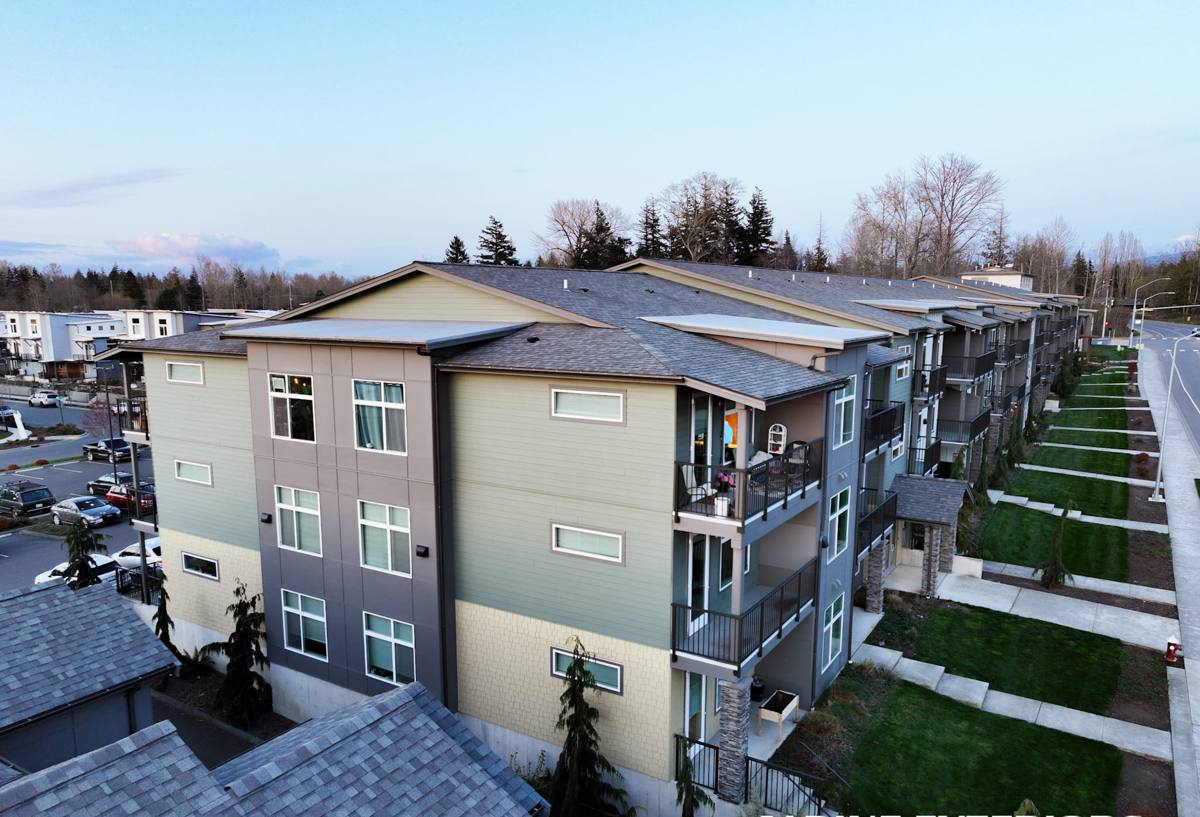
What Salt Air, Rain, and Moss Actually Do to Windows
Salt Air and Metal Hardware
Salt in the air accelerates corrosion on anything metal — window hardware, screen frames, and especially lower-grade fasteners or cladding. Aluminum-clad and vinyl windows handle this better than bare wood or unprotected steel components, but the hardware inside the window (hinges, locks, balance systems) still needs to be rated for coastal exposure or it will start sticking and pitting years before it should.
Driving Rain and Wind Pressure
Storms off the water don't just drop rain straight down — wind pushes it sideways and up under trim and sills. This is where most window failures in this area actually start: not with the glass, but with water finding a gap in the flashing or sealant and working its way into the wall cavity. Once that happens, the damage is often invisible from inside the house until framing has already started to rot.
The Long Moss Season
Whatcom County's damp stretches from fall through spring give moss, algae, and mildew plenty of time to establish themselves on north-facing walls, sills, and anywhere water sits instead of draining. Beyond the cosmetic issue, moss holds moisture against wood trim and caulking joints, which shortens the life of both. Window placement, sill slope, and drainage details all affect how much of a problem this becomes over time.
Signs a Marietta Home Needs Window Replacement, Not Just Repair
- Fogging or a visible haze between the panes of a double- or triple-glazed unit — the seal has failed and the gas fill is gone
- Soft, spongy, or discolored trim and sill wood around the window frame
- Persistent drafts you can feel with a hand near the frame on a windy day, even with the window latched
- Windows that are difficult to open, close, or lock — often a sign the frame has shifted or swollen from moisture
- Visible gaps or cracked caulking between the window and the siding
- Musty smell or soft drywall on the interior wall near a window, which points to water already inside the wall cavity
- Condensation forming on the interior of the glass regularly, suggesting poor seal performance for the local humidity
Any one of these on its own might just need a repair or re-caulk. Several together, especially on a window that's original to an older home, usually means the unit and its flashing need to come out and be replaced correctly rather than patched again.
What a Correct Window Installation Actually Involves
Window installation quality is decided almost entirely by what happens before the new window is even set in the opening. In a climate like Marietta's, cutting corners here is what causes callbacks two or three winters later.
Removal and Opening Inspection
We remove the old window and inspect the rough opening before anything new goes in. This is the point where hidden water damage, soft framing, or old flashing mistakes show up — and it's much cheaper to address them now than after a new window is sealed over the same problem.
Flashing and Water Management
Proper flashing directs any water that gets past the exterior finish back out and away from the framing, using a shingle-style layering (each piece overlapping the one below it) so water always flows down and out, never in. This detail matters more in Marietta than in drier parts of the state, because wind-driven rain tests these details harder and more often.
Sealing and Insulation
The gap between the window frame and the rough opening gets sealed and insulated correctly — not overfilled with expanding foam, which can bow the frame, and not left with gaps, which lets in both air and moisture. Exterior sealant beads need to be tooled properly and matched to a product that stays flexible through temperature swings instead of cracking after a season or two.
Setting, Shimming, and Final Check
The window gets shimmed level, plumb, and square, then fastened per the manufacturer's schedule — skipping fastening points is a common shortcut that shows up later as operational problems or air leaks. We check operation, drainage weep holes, and hardware function before calling the job finished.
Our Process, Start to Finish
- On-site assessment — We look at existing windows, note water exposure and sun/wind orientation for each opening, and check for signs of hidden damage.
- Product recommendation — Based on that assessment, we recommend materials and glazing suited to that specific wall's exposure, not a one-size answer for the whole house.
- Written estimate — Clear scope, product specs, and pricing before any work starts.
- Careful removal — Old units come out with attention to protecting interior finishes and siding.
- Opening repair if needed — Any rot or damaged flashing found during removal gets addressed before the new window goes in, and we'll show you what we found.
- Installation — Flashing, sealing, shimming, and fastening done to manufacturer specification.
- Final walkthrough — We test every window's operation and locking hardware with you before we consider the job done.
Comparing Window Materials for Coastal Whatcom County Exposure
| Material | Salt Air / Moisture Behavior | Maintenance | Typical Trade-Off |
|---|---|---|---|
| Vinyl | Doesn't corrode or rot; performs well with minimal upkeep in salt air | Low — occasional cleaning | Fewer color/finish options than wood or fiberglass |
| Fiberglass | Very stable in temperature swings and moisture; strong coastal performer | Low | Higher upfront cost than vinyl |
| Aluminum-clad wood | Good moisture protection on the exterior face, but any breach in the cladding exposes wood underneath | Moderate — cladding seams need periodic inspection | Interior wood look with added maintenance risk if cladding is compromised |
| Bare wood | Most vulnerable to salt air and driving rain unless repainted/sealed regularly | High — regular repainting and caulk maintenance | Traditional appearance, but shortest service life near open water without upkeep |
We don't push one material on every home — the right choice depends on orientation, budget, and how much maintenance you actually want to keep up with. What we won't do is install a product in a high-exposure wall that we know is going to demand more upkeep than most homeowners are prepared to give it, without being upfront about that trade-off first.
What Affects the Cost of a Window Installation Job
| Factor | Why It Matters |
|---|---|
| Number and size of openings | More or larger windows means more material and labor |
| Existing wall condition | Rot or old flashing failures found during removal add repair work before installation |
| Glazing and material choice | Vinyl, fiberglass, and clad-wood units sit at different price points and performance levels |
| New construction vs. retrofit framing | Full-frame replacements involve more work than an insert into a sound existing frame |
| Access and site conditions | Second-story windows or tight access can add time to removal and installation |
We give a written, itemized estimate up front so you can see exactly where the cost is going — no vague lump-sum numbers.
Why It Matters That We Already Work in Marietta
A crew that only sees this kind of coastal exposure occasionally will sometimes flash and seal a window the same way they would in a dry inland neighborhood — and it can look fine for a year or two before the wind-driven rain finds the gap. Working regularly in Marietta and the rest of Ferndale means we're used to building in the extra margin this exposure calls for: the flashing details, the sealant choice, the hardware grade, and the sill drainage that actually hold up through a wet Whatcom County winter.
It also means we know what local homes of different ages and construction types tend to run into — older single-pane retrofits, homes with wood trim that's taken decades of salt air, or newer builds where the original installation cut a corner that's just now starting to show. That familiarity shortens the guesswork on your project.
Before You Get an Estimate: A Quick Checklist
- Walk your home's exterior and note any window with visible gaps, soft trim, or peeling paint at the frame
- Check for fogging or haze between panes on each window — a quick sign of seal failure
- Note which walls face the water or prevailing wind, since those openings usually need the most attention
- Have a rough idea of your priorities — energy performance, low maintenance, appearance, or budget — so we can recommend accordingly
- Ask any contractor you're considering how they handle flashing and sealing specifically for this climate, not just what brand of window they sell
If you're weighing whether it's time to replace windows on a Marietta home, we're glad to take a look and give you a straightforward, no-pressure estimate — just fill out the form below and we'll get back to you.