 Ferndale Exterior
 Deck Repair Built Around Nooksack's Weather, Not Generic Assumptions
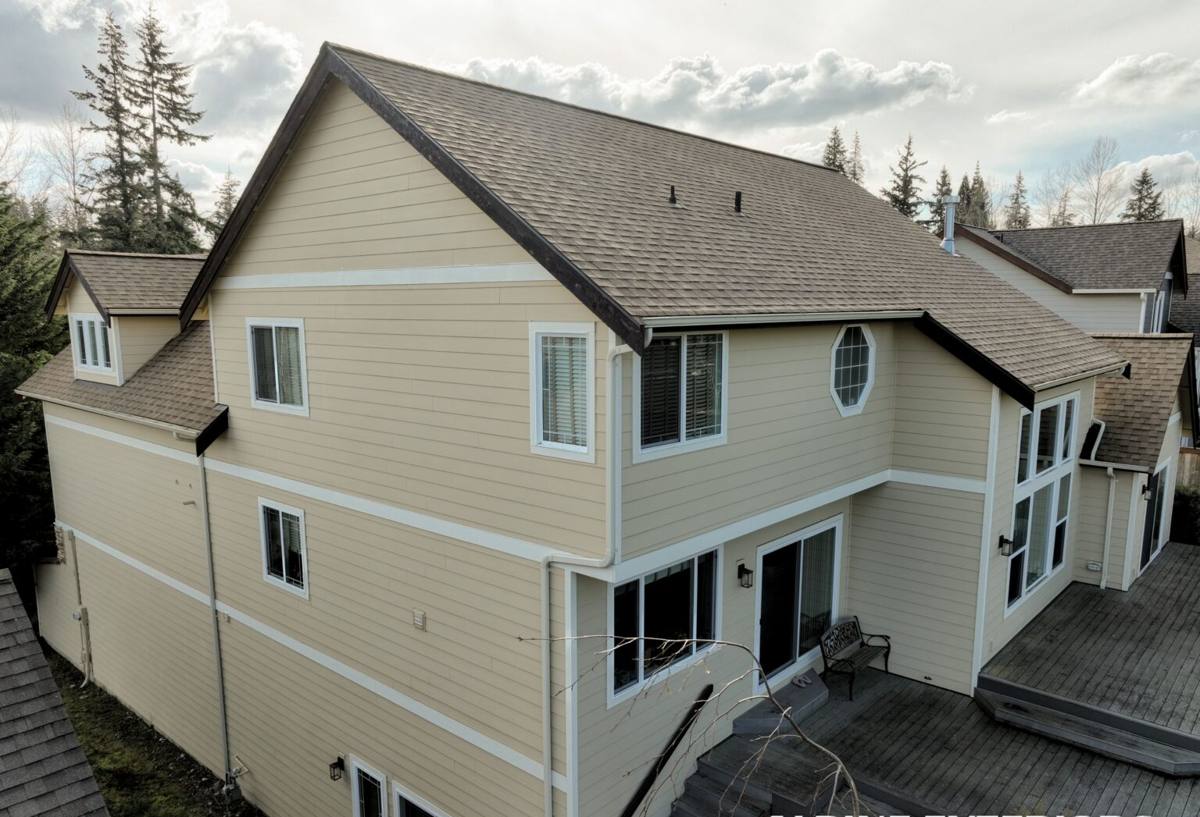
A deck in Nooksack takes on a different kind of punishment than a deck three states inland. Whatcom County sits close enough to the water and the Fraser Valley weather patterns that homes here deal with a steady mix of salt-laden air, long stretches of driving rain, and a moss season that can run most of the year in shaded yards. None of that is dramatic on its own, but stacked together over a few seasons, it's exactly the combination that breaks decks down from the inside — long before the surface looks bad enough to worry most homeowners.
We repair decks in this area specifically, which matters more than it sounds like it should. A repair crew that mostly works drier inland climates tends to under-scope moisture damage because they're not used to seeing it. We are, and our repairs are built to match what actually happens to wood, fasteners, and framing out here.
Why Local Decks Fail the Way They Do
Salt Air and Metal Fatigue
Fasteners, joist hangers, and post brackets take the brunt of salt exposure. Even galvanized hardware corrodes faster near coastal air than most people expect, and once a fastener starts rusting, it swells slightly and works itself loose in the wood around it. That's how a deck can feel "wobbly" long before any board looks rotten.
Driving Rain and Water Intrusion
Rain that comes in sideways, rather than straight down, gets pushed into places a deck was never designed to shed water from — under railing caps, behind fascia boards, and into the gap where a ledger board meets the house. Once water gets past the surface finish, it doesn't dry out quickly in our humidity, and that's where rot starts.
Moss and Sustained Moisture
Moss doesn't just look bad. It holds moisture directly against the wood surface for weeks at a time, especially on north-facing decks or ones shaded by trees or the house itself. That constant dampness softens wood fibers and accelerates decay in exactly the boards that get walked on most.
Signs Your Deck Needs Repair — Not Just a Cleaning
A lot of deck damage hides in plain sight because it doesn't look like "damage" — it looks like normal wear. Here's what actually signals a repair need:
- Boards that feel spongy or flex noticeably when you step on them
- Railings or posts that wiggle, even slightly, when pushed
- Rust streaks running down from screw heads or brackets
- Dark, soft, or crumbling wood anywhere near the house connection (the ledger board)
- Gaps opening up between deck boards or at seams that weren't there before
- Persistent moss or black staining that comes back within weeks of cleaning
- A musty smell coming from underneath the deck
If you're seeing two or more of these, it's worth having someone look underneath the deck, not just at the surface — that's where the real story usually is.
Common Problems We Find on Nooksack Deck Repairs
| Problem | Typical Cause | What the Repair Involves |
|---|---|---|
| Soft or rotted ledger board | Water trapped between deck and house siding, poor flashing | Remove and replace ledger, install proper flashing, reseal house connection |
| Loose or leaning posts | Corroded post base hardware, moisture-softened footing wood | Replace hardware, sister or replace post material, confirm footing is sound |
| Rusted fasteners "bleeding" through boards | Standard fasteners not rated for our moisture/salt exposure | Remove and replace with corrosion-resistant fasteners rated for coastal exposure |
| Moss-blackened, slick decking | Shade, poor airflow underneath, infrequent maintenance | Clean, treat, and address the airflow/drainage issue causing repeat growth |
| Cupped or splitting boards | Repeated wet-dry cycling without adequate sealant | Replace affected boards, reseal remaining decking |
What a Correct Deck Repair Actually Involves
1. A Real Structural Inspection
We start underneath the deck, not on top of it. That means checking the ledger board connection, the posts and footings, joist condition, and hardware — because a deck that looks fine on the surface can still have a compromised frame. Surface-only repairs on a deck with structural rot just delay a bigger problem.
2. Isolating and Removing Damaged Material
Rot spreads. Cutting out only the visibly bad section without checking how far moisture has traveled into surrounding wood is how "repairs" fail again within a year. We remove material until we're back to solid, dry wood, not just until the discoloration stops being visible.
3. Rebuilding With the Right Hardware
This is where a lot of repair work goes wrong in this climate. Using standard interior-grade fasteners or hardware not rated for exterior, coastal-adjacent exposure is a shortcut that shows up again as rust stains and loose connections within a couple of years. We use fasteners and structural hardware rated for exterior and corrosion-prone environments as a baseline, not an upgrade.
4. Matching and Finishing
Replacement boards get sealed or finished to match the existing deck as closely as possible, and any exposed cut ends — the most water-absorbent part of any board — get sealed before installation, not after.
Repair or Replace? How We Actually Decide
Homeowners often assume any rot means the whole deck needs to go. That's rarely true. The decision usually comes down to how much of the structural frame is affected versus how much is cosmetic or isolated.
| Factor | Leans Toward Repair | Leans Toward Replacement |
|---|---|---|
| Ledger board and framing | Solid, dry, no significant rot | Widespread rot or repeated past water intrusion |
| Posts and footings | Stable, hardware just needs updating | Footings shifted, posts rotted at the base |
| Decking boards | Isolated soft spots or a few damaged boards | Majority of boards cupping, splitting, or soft |
| Deck age | Under 15-20 years, built to a reasonable standard | Original construction quality was poor or well past its service life |
| Cost comparison | Repair cost is a fraction of full rebuild | Repair scope approaches most of a full rebuild anyway |
As a broad guide, isolated board or hardware repairs often run in the few-hundred-to-low-thousand-dollar range, while structural repairs involving framing, posts, or ledger replacement typically run higher — often into the low thousands and up, depending on scope. We give you an actual number after we've looked underneath the deck, not a guess from the driveway.
Materials: Why We're Selective About What Goes Into a Repair
Not every material sold for deck repair holds up the same way in a climate like ours. Our standard is to use materials and fasteners suited for sustained moisture exposure, even when a cheaper option is available, because the labor cost of a repair is the same regardless of what you put into it — it's the material and hardware choice that determines whether you're back to square one in three years.
For decking material itself, both pressure-treated wood and composite boards have a place, but each comes with real trade-offs:
- Pressure-treated lumber is cost-effective and easy to match to existing decking, but it requires periodic resealing to keep performing well in wet conditions
- Composite decking resists moisture and moss better long-term but costs more upfront and isn't always a clean match to an existing wood deck's appearance
- Hardware and fasteners should always be rated for exterior, corrosion-prone exposure — this is a non-negotiable on our repairs regardless of decking material chosen
We'll walk you through which option makes sense for your specific repair rather than defaulting to whatever's easiest to install.
Our Repair Process, Start to Finish
- Free on-site inspection, including underneath the deck and at the house connection
- Written assessment of what's structural, what's cosmetic, and what it will cost to fix
- Removal of damaged material back to solid wood
- Structural repair or replacement of framing, posts, and hardware as needed
- Board replacement and refinishing to match the existing deck
- Final walkthrough so you can see and understand what was done and why
Keeping a Repaired Deck in Good Shape Afterward
A good repair only holds up if the deck gets basic seasonal attention afterward, especially with our rain and moss patterns. A few habits go a long way:
- Sweep debris off the deck regularly, especially in fall — trapped leaves hold moisture against boards
- Keep gutters and downspouts clear so runoff isn't draining directly onto or under the deck
- Address moss as soon as it appears rather than letting it establish over a season
- Reseal or refinish wood decking on the schedule appropriate to the product, not just when it looks faded
- Check railings and stair connections once a year for any new movement
Why It Matters to Hire a Crew That Already Works in Nooksack
Deck repair looks straightforward from the outside, but the difference between a repair that lasts and one that doesn't usually comes down to whether the crew understands the specific way moisture behaves in this part of Whatcom County. Knowing to check a ledger board connection first, knowing which fasteners actually hold up to our air and rain patterns, and knowing that a moss problem is a moisture problem, not just a cosmetic one — that's the kind of judgment that comes from working on decks in this exact area, season after season, not from a generalized repair checklist.
If your deck feels a little soft, a little loose, or just hasn't been looked at in a while, it's worth getting an honest assessment before a small repair turns into a full rebuild. We're happy to come take a look, tell you plainly what we find, and give you a free, no-pressure estimate — use the form below to get started.