 Ferndale Exterior
 Roofing in a Salt Air, High-Moisture Corner of Whatcom County
Semiahmoo sits close enough to open water that roofs here take a different kind of beating than roofs ten miles inland. Salt-laden air corrodes exposed metal faster, wind-driven rain finds its way under marginal flashing, and the long, wet Whatcom County winters keep roof surfaces damp for weeks at a stretch. None of that is dramatic on its own. It just adds up faster than most homeowners expect, and it adds up faster in this part of the county than it does in drier, more sheltered neighborhoods.
A roof replacement out here isn't just "put new shingles on." It's an opportunity to correct whatever was under-built or under-maintained the first time, and to choose materials and details that actually hold up to salt exposure, moss growth, and sustained rain rather than just looking good on install day.
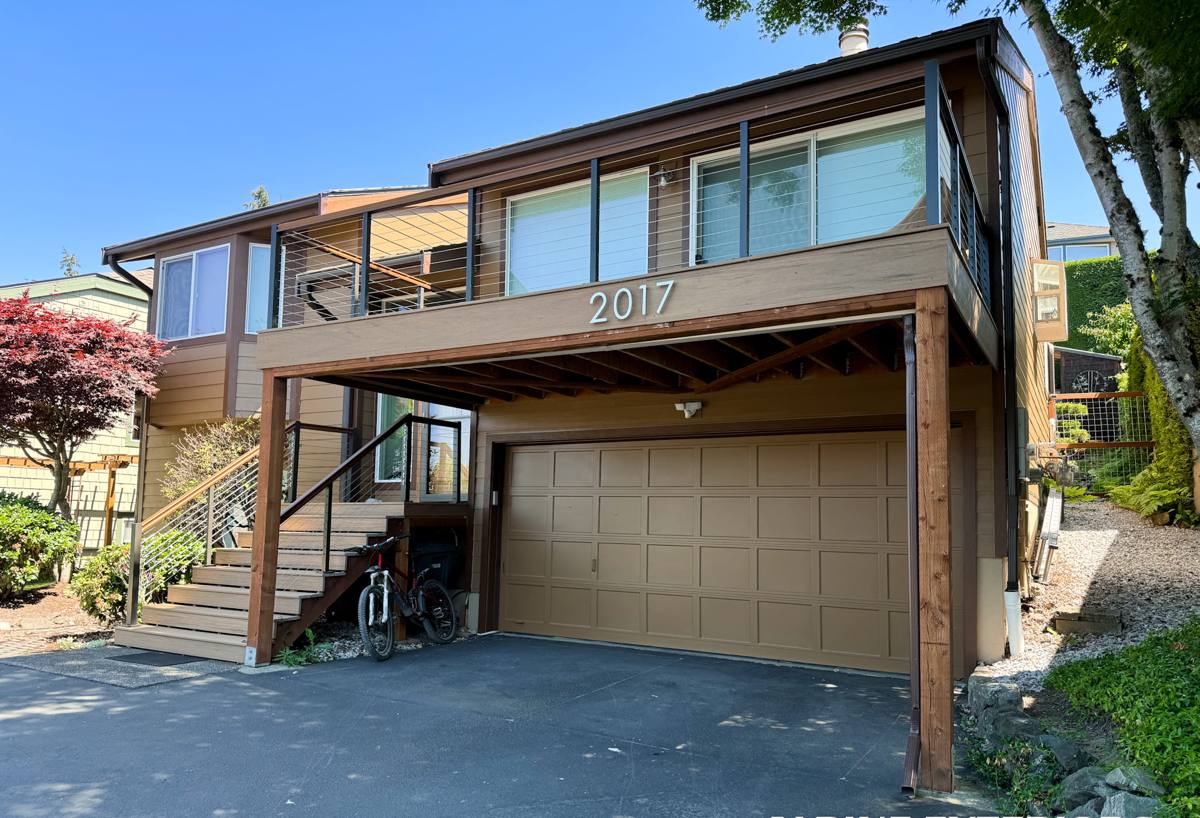
What Salt Air, Driving Rain, and Moss Season Really Do to a Roof
Salt Air and Metal Components
Fasteners, flashing, vents, and drip edge are usually the first parts of a roof to show wear near the water. Ungalvanized or poorly coated metal corrodes years ahead of schedule, and once a fastener starts rusting, it loosens its grip on whatever it's holding down. We pay close attention to metal spec on every Semiahmoo job for exactly this reason.
Driving Rain
Rain that comes in sideways doesn't behave like rain that falls straight down. It gets pushed up under shingle tabs, into open laps, and around fasteners that would be fine in calmer weather. Roofs in exposed, waterfront-adjacent spots need tighter flashing detail and more conservative underlayment coverage than a textbook install in a sheltered subdivision.
Moss Season
Whatcom County's long, mild, wet stretch from fall through spring is close to ideal moss-growing weather. Moss holds moisture against the roof surface, works its way under shingle edges, and lifts material as it grows. On north-facing slopes and anywhere tree cover keeps a roof shaded and damp, moss can shorten a roof's usable life by years if it's never addressed.
Signs a Semiahmoo Roof Needs Replacing, Not Another Patch
- Granule loss heavy enough that you can see bare, dark patches on the shingle surface
- Shingles that are curling, cupping, or cracking, especially on south- and west-facing slopes
- Moss or dark streaking that keeps returning within a season or two of cleaning
- Soft spots in the decking you can feel when walking the roof, or sagging visible from the ground
- Repeated leaks in different spots rather than one isolated failure
- Rusted, loose, or missing flashing around chimneys, vents, and valleys
- A roof already past or close to its expected service life for its material
One or two of these can often be repaired. A roof showing several of them at once is usually telling you the underlying materials are wearing out across the board, not just failing in one weak spot.
Choosing a Roofing System That Fits This Environment
There's no single "best" roofing material for every Semiahmoo property — it depends on the home's exposure, roof pitch, and how much upkeep the owner wants to do. Here's how the common options actually perform in this climate:
| Material | Salt Air Behavior | Moss Resistance | Typical Service Life Here |
|---|---|---|---|
| Architectural asphalt shingle | Good with proper metal flashing spec | Moderate — benefits from zinc/copper strips | 20-30 years |
| Standing seam metal | Excellent with marine-grade coatings and fasteners | Very good — sheds moisture, little to grip | 40-60 years |
| Composite/synthetic shake | Good, minimal corrodible surface | Good | 30-50 years |
| Cedar shake | Requires diligent maintenance near salt air | Needs active upkeep to resist moss | 20-30 years with upkeep |
We're upfront about trade-offs rather than pushing one product. Cedar can look great and plenty of Whatcom County homes wear it well, but it asks for more regular maintenance in a damp, salt-influenced setting than most homeowners want to sign up for. Metal costs more upfront but asks for almost nothing after install. Architectural asphalt remains the most common choice because it balances upfront cost, appearance, and durability reasonably well when it's installed with the right underlayment and flashing detail for this climate — which is where a lot of roofs actually fall short, not in the shingle itself.
What a Correct Roof Replacement Involves Here
Full Tear-Off, Not Overlay
We remove existing roofing down to the deck on replacement jobs. Overlaying new shingles on old ones traps moisture, hides deck damage, and voids most manufacturer warranties — a bad trade on a roof that's already dealing with more moisture exposure than average.
Deck Inspection and Repair
Once the old roofing is off, we inspect the decking for soft spots, delamination, or rot, particularly around valleys and any area that's been leaking. Replacing bad sections before new roofing goes down is non-negotiable — a new roof over a compromised deck fails early no matter how good the shingles are.
Underlayment Built for Wet Climates
Given how much sustained rain this area sees, we don't cut corners on underlayment. Ice and water shield goes in valleys, around penetrations, and along eaves; synthetic underlayment covers the field for better tear resistance and water resistance than older felt products.
Flashing Done Right
Chimneys, skylights, sidewalls, and valleys are where most leaks actually originate — not the shingle field. We use corrosion-resistant metal and proper step and counter-flashing technique rather than relying on caulk or sealant to do a flashing detail's job.
Ventilation
A roof that can't breathe traps moisture in the attic, which shortens the life of the decking and the roofing above it from underneath. We check intake and exhaust balance on every replacement and correct it where it's inadequate.
Our Process, Start to Finish
- On-site inspection and honest assessment of whether you need a repair or a full replacement
- Written estimate with material options and clear pricing — no vague allowances
- Scheduling around Whatcom County's weather windows to avoid rushing work into a rain system
- Full tear-off and deck inspection, with any rot or damage documented and addressed
- Installation of underlayment, flashing, ventilation, and roofing system per manufacturer and code requirements
- Site cleanup, including magnetic sweep for fasteners
- Final walkthrough and warranty paperwork
What Drives Roof Replacement Cost
| Factor | Why It Matters |
|---|---|
| Roof size and number of planes | More square footage and more valleys/hips mean more material and labor |
| Pitch and access | Steep or hard-to-access roofs take longer and require more safety setup |
| Deck condition | Rot or soft decking found during tear-off adds repair cost that can't be known until the old roof is off |
| Material choice | Asphalt, metal, and composite carry different material costs and labor time |
| Flashing and ventilation upgrades | Bringing older detailing up to current standards protects the new roof's lifespan |
We'd rather walk your roof and give you real numbers than throw out a broad range that doesn't mean much until we've seen the deck condition underneath.
Why a Crew That Already Works Semiahmoo Matters
A roofer who works this stretch of Whatcom County regularly already knows which flashing details fail first near the water, which slopes hold moss longest, and how to sequence a job around the region's rain patterns without leaving a deck exposed overnight. That's not something you get from a crew that mostly works drier, more sheltered inland areas and treats every job the same way. It shows up in the small decisions — fastener choice, underlayment coverage, how tight the valley metal is lapped — that don't matter much in a mild climate but matter a lot here.
It also means straightforward communication. We're a Ferndale-based crew, not a call center dispatching subcontractors from out of the area. When you have a question about your roof, you're talking to the people who actually did the work.
Protecting Your New Roof Through Moss Season
- Keep overhanging branches trimmed back to let sunlight and air reach the roof surface
- Clear gutters and valleys of debris before the fall rains set in
- Have zinc or copper control strips installed at the ridge on new asphalt or composite roofs to slow future moss growth
- Avoid pressure washing shingles — it strips granules and shortens roof life; use gentle, roof-safe moss treatment instead
- Schedule a quick annual check, especially after major windstorms common to this area
A correctly installed roof still benefits from a little seasonal attention in a climate like this one. We're happy to walk you through a simple maintenance routine when we finish your install.
If your Semiahmoo home's roof is showing its age or you just want a straight answer on whether repair or replacement makes more sense, we're glad to take a look. Use the form below to request a free, no-pressure estimate.