 Ferndale Exterior
 Sumas Homes Deal With a Specific Kind of Wear
Sumas sits at the far edge of Whatcom County, tucked against the Nooksack River valley and the Canadian border, and that location gives it a weather pattern that's a little different from the rest of our service area. Storms moving off the Salish Sea dump driving rain across the whole county, but by the time that weather reaches Sumas it's often being pushed up against the foothills, which means longer soak times and slower drying. Add the valley's damp, shaded pockets and you get a long moss season that starts earlier and lasts longer than homeowners expect — moss and algae don't just look bad, they hold moisture against a wall surface for weeks at a stretch.
Winters bring another factor: Sumas sees colder snaps and more freeze-thaw cycling than the coastal parts of the county, since cold air draining down from the Fraser Valley settles into the low ground here. Siding that's already saturated from fall rains and then goes through repeated freezing is under real stress. None of this is exotic weather, but it's persistent, and persistent moisture combined with freeze-thaw is exactly the combination that finds every weak point in a siding system — bad caulk joints, unsealed cuts, missing flashing, absorbent materials.
Why James Hardie Fits This Climate
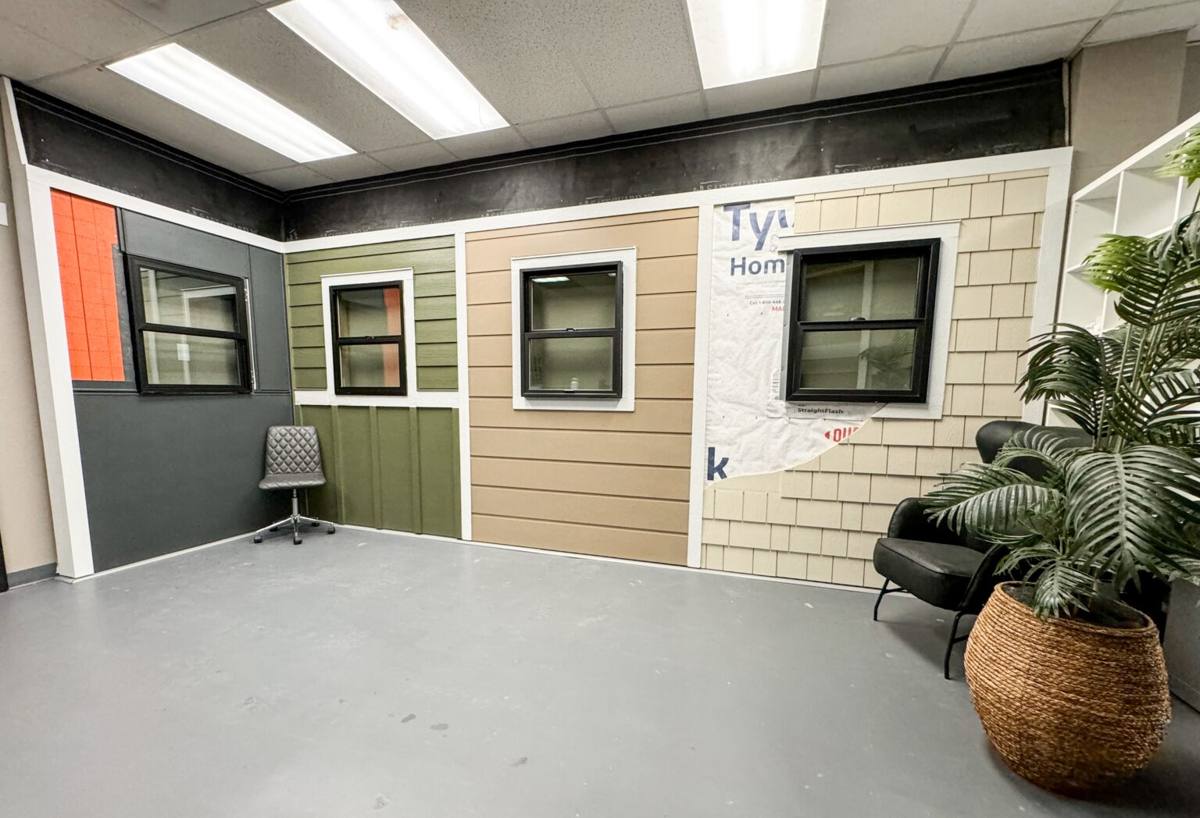
We install James Hardie fiber cement exclusively, and in a place like Sumas that's not a marketing preference — it's a practical one. Fiber cement doesn't absorb water the way wood-based products do, and it doesn't expand and contract with humidity swings the way vinyl does. Hardie's HZ5 formulation is engineered specifically for climates that see the kind of freeze-thaw cycling and sustained moisture Whatcom County gets, which matters more here than it would in a drier region.
We get asked fairly often why we don't offer LP SmartSide, vinyl, or cedar as options. Each of those products has legitimate uses elsewhere, but here's our honest read after years of working on homes in this exact climate:
- Vinyl is affordable and low-maintenance, but it can warp or crack in the freeze-thaw swings this area sees, and its seams and J-channels give moisture more places to get behind the wall.
- LP SmartSide is an engineered wood product — better than raw plywood siding, but still wood at its core, meaning cut edges and any coating failure expose it to rot in a climate this wet.
- Cedar looks great new but demands ongoing refinishing and is genuinely vulnerable to the moss and moisture cycle described above unless a homeowner keeps up a strict maintenance schedule.
Fiber cement isn't maintenance-free either — nothing on an exterior wall is — but it holds up to this specific combination of rain, moss, and cold better than the alternatives, which is why it's the only product we put our name behind.
What a Correct Installation Actually Involves
The material only performs as well as the install. A lot of siding failures we get called out to inspect in Whatcom County aren't a product problem — they're an installation shortcut that let water find a path behind the wall. On a Hardie job done to spec, that means:
Water Management Comes First
Before a single board goes up, the wall needs a proper weather-resistant barrier, correctly lapped and taped at seams, with flashing at every window, door, and horizontal transition. In a climate that sees as much sustained rain as Sumas does, this layer is what actually keeps a house dry — the siding itself is the second line of defense, not the first.
Fastening and Spacing to Hardie's Specifications
Hardie publishes exact fastener patterns, nailing zones, and gap requirements for a reason — get them wrong and you can void the warranty and create stress points where water intrudes. Boards need proper clearance from rooflines, decks, and grade, and butt joints need to be flashed or caulked correctly, not just butted together and painted over.
Caulk and Sealant Placement
Fiber cement doesn't rot from a little surface moisture, but poorly sealed joints and trim intersections are still the most common entry point for water on any siding system. We treat sealant placement as part of the install, not an afterthought at the end of the day.
Hardie Product Lines We Work With
Not every Sumas home needs the same Hardie configuration. We match the product line to the home's style, exposure, and the homeowner's priorities.
| Product | Best For | Notes |
|---|---|---|
| HardiePlank lap siding | Most single-family homes | The standard choice; available in several plank widths and textures |
| HardiePanel vertical siding | Accent walls, gables, modern styling | Often paired with lap siding for visual contrast |
| HardieTrim boards | Corners, window and door casing, fascia | Keeps trim material consistent with the siding for uniform aging |
| ColorPlus factory finish | Homeowners who want to skip repainting | Baked-on finish with a longer warranty than field-applied paint |
ColorPlus in particular is worth a closer look for this climate: a factory-applied finish cures under controlled conditions and resists the fading and moisture-related paint failure that field-painted siding can develop after a few damp Whatcom County winters.
Our Process on a Sumas Project
Every job starts with a walk-around of the existing exterior, not just a measurement exercise. We're looking at moss buildup, soft spots, existing flashing condition, and how water currently moves off the roof and around the foundation, since that tells us what water management upgrades the new siding needs beyond just the boards themselves.
From there, the general sequence looks like this:
- On-site assessment and measurement, including a check of trim, window flashing, and any existing moisture damage
- Written estimate covering material, labor, and any repair work the tear-off reveals is needed
- Removal of old siding and inspection of the sheathing underneath before anything new goes up
- Installation of weather-resistant barrier, flashing, and Hardie siding to manufacturer spec
- Trim, caulking, and final detail work
- Walkthrough with the homeowner before we consider the job finished
Because sheathing damage is only visible once the old siding comes off, we treat that discovery step as routine — it's better to find and fix a soft spot in the wall now than to cover it back up and have it resurface as a bigger problem in five years.
What We Commonly Find on Older Siding in This Area
When we're called out to look at an aging exterior in Sumas, a few patterns show up repeatedly:
- Moss and algae staining concentrated on north- and shade-facing walls, sometimes with softened material underneath
- Cracked or shrunken caulk at trim joints, letting water track behind the siding
- Warped or bowed vinyl panels from repeated freeze-thaw stress
- Peeling paint on wood-based siding where moisture got underneath the coating
- Missing or undersized flashing above windows and at roof-to-wall transitions
Most of these aren't visible from the curb until they've been developing for a while, which is why we recommend a real inspection rather than judging siding condition by appearance alone.
Cost Factors for a Sumas Siding Project
We won't quote a number without seeing the house, but these are the variables that actually move the price on a Hardie project in this area:
| Factor | Why It Matters |
|---|---|
| Home size and wall complexity | More corners, gables, and dormers mean more cutting, trim, and labor time |
| Condition of existing sheathing | Rot or moisture damage found during tear-off adds repair scope |
| Product line and finish | ColorPlus finishes and specialty textures cost more than standard primed board |
| Access and site conditions | Steep lots, limited driveway access, or landscaping close to the walls add labor |
| Trim and detail work scope | Full trim replacement vs. reusing sound existing trim changes the total |
Why Local Experience Matters for This Job
Siding installation isn't a one-size-fits-all process, and a crew that mainly works drier or milder parts of the county can miss details that matter in Sumas specifically — how far to hold boards off grade given local drainage patterns, where moss growth typically concentrates on a given lot orientation, and how much clearance to plan for around foundations that see more standing moisture through the winter. Building department requirements and inspection expectations can also vary slightly between Whatcom County jurisdictions, and knowing that ahead of time keeps a project on schedule instead of stalling on a permitting question mid-job.
We also stand behind the work with a crew that's still local next year and the year after — if a caulk line needs touching up or a piece of trim needs a second look after a hard winter, we're not far away.
If you're weighing a siding replacement or repair in Sumas, we're glad to take a look and walk you through what your home actually needs — no pressure, no upsell, just a straight assessment and a written estimate you can take your time with.