 Ferndale Exterior
 Deck Building in Bellingham: What Whatcom County Weather Does to a Deck
Bellingham sits close enough to the water and far enough into the Pacific Northwest weather pattern that decks here age differently than they do inland. Salt-laden air off Bellingham Bay works into fasteners and metal connectors. Long stretches of driving rain push moisture into every joint, seam, and end cut. And the region's mild, damp winters mean moss and algae get a running start every year, sometimes before a deck is even a year old. A deck built without those specific conditions in mind will usually look fine for a season or two, then start showing problems: soft spots near the house, rust streaks bleeding from screws, boards that stay slick with green film long after the rain stops.
This page is about doing deck building correctly for homes in and around Bellingham, inside Ferndale Exterior Co's normal Whatcom County service area. Everything below reflects how we actually frame, flash, fasten, and finish a deck so it holds up to this specific climate, not a generic build.
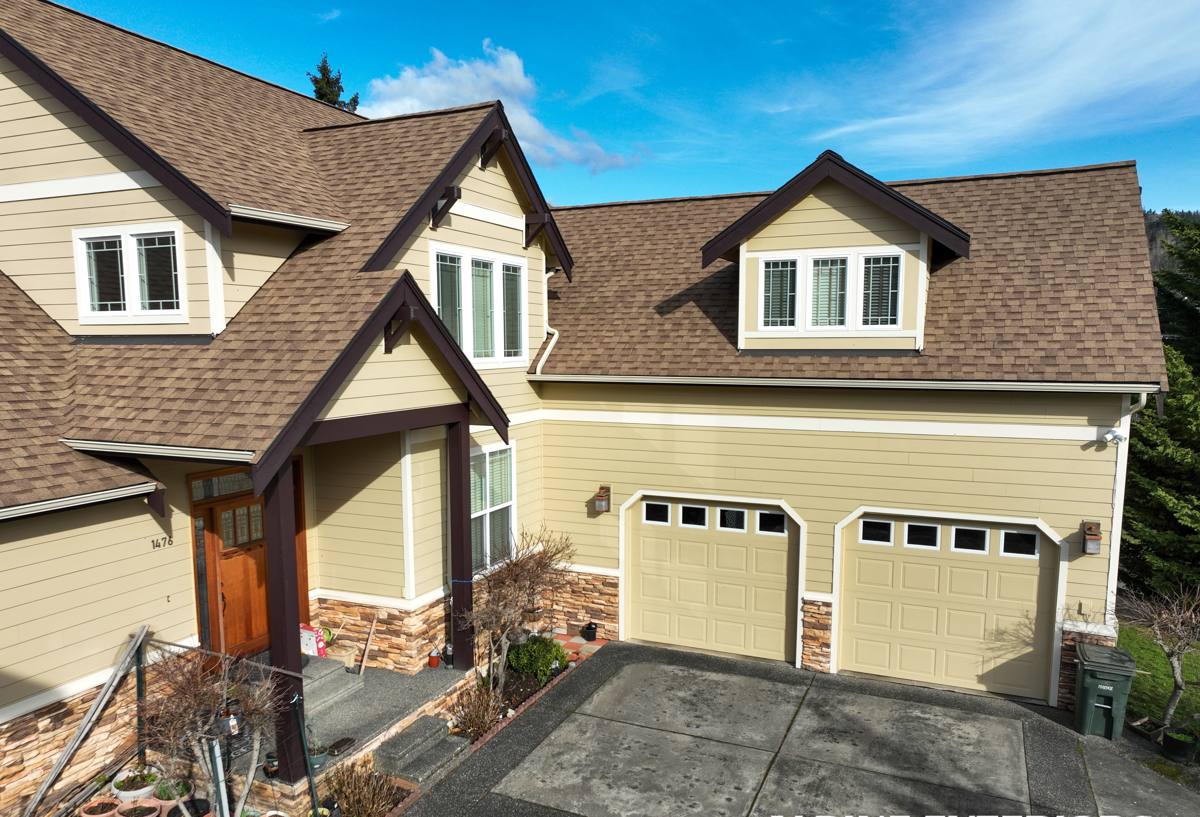
What Local Homes Actually Need From a Deck
Whatcom County's climate isn't extreme in temperature, but it's relentless in moisture. A deck here needs to manage water constantly, not occasionally. That changes several decisions that a contractor working in a drier climate might not think twice about.
Drainage Comes First
Every deck we build starts with where the water is going to go, not just how the deck will look. That means proper slope away from the house on any solid surface elements, gapping between boards sized for airflow and drying rather than just appearance, and grading or gravel under the deck so water doesn't pool against posts and footings. A deck that traps water underneath it is a deck that rots underneath it, slowly and out of sight.
The Ledger Board Is the Most Important Joint on the Deck
Where a deck attaches to the house is the single most common failure point on decks in wet climates, and it's almost always a flashing problem rather than a framing problem. Water gets behind the ledger board, sits against the house's sheathing, and rots both the deck framing and the wall structure behind it, often for years before anyone notices. We flash ledger connections with the same care as a roof-to-wall detail: proper house wrap integration, flashing tape, and a drainage gap so water sheds away from the structure instead of soaking into it.
Fasteners and Hardware Have to Match the Air, Not Just the Wood
Coastal and near-coastal air corrodes standard fasteners faster than most homeowners expect. We use stainless steel or high-grade coated fasteners and structural hardware rated for exterior, corrosive-prone environments, particularly on ledger bolts, joist hangers, and post bases, where a failed fastener isn't cosmetic, it's structural.
Framing and Structure: The Part You Don't See
A deck's surface gets all the attention, but the framing underneath determines whether it's still safe in fifteen years. For Bellingham-area builds, we pay particular attention to:
- Post base connections that keep wood off standing water and concrete, using elevated post bases rather than direct-embedded posts wherever code and design allow
- Joist spacing sized for the actual decking material chosen, since composite and PVC boards often need tighter joist spacing than solid wood
- Double or triple joists under stairs, railing posts, and any built-in seating, since these are high-load, high-movement points
- Cross-bracing and proper footing depth for taller decks, which is common on sloped Bellingham-area lots
- Ventilation gaps between framing members so the underside of the deck can actually dry between rain events, instead of staying damp for weeks at a time
None of this is visible once the deck boards go down, which is exactly why it matters. A deck that looks identical on the surface can have a completely different service life depending on what's underneath it.
Choosing a Decking Material for This Climate
There's no single "best" decking material for every home. The right choice depends on how much upkeep a homeowner actually wants to do, budget, and how much sun versus shade the deck gets, since shaded decks in this region hold moisture and moss longer than decks that get regular sun exposure.
| Material | How It Handles Local Moisture | Maintenance | Typical Lifespan |
|---|---|---|---|
| Pressure-treated wood | Resists rot when properly sealed and maintained; needs re-sealing as the treatment weathers | Annual cleaning, re-staining or sealing every 2-3 years | 15-20 years with upkeep |
| Cedar | Naturally rot-resistant, but softer and more prone to surface graying and moss growth without upkeep | Regular cleaning, periodic oiling or sealing | 15-20 years with upkeep |
| Standard composite | Doesn't rot, but uncapped composite can absorb moisture at cut edges and grow mold or moss on the surface | Periodic washing to prevent surface algae/moss buildup | 20-25 years |
| Capped composite / PVC | Fully sealed shell resists moisture absorption and surface staining best of the group | Occasional washing, no sealing or staining ever needed | 25+ years |
We'll walk through these trade-offs honestly during an estimate. Wood costs less up front but asks for more of your time every year. Capped composite costs more up front and largely gets out of your way afterward. Neither is wrong, it depends on what you'd rather spend: money now or time later.
Railings, Stairs, and the Details That Get Skipped
Railings and stairs see more direct weather exposure than deck surfaces because water runs off the deck and across these components. Post caps, top rail joints, and stair stringers are common places where water sits and works its way into end grain. We detail these connections with drainage in mind, and we use hardware rated for the same exposure as the rest of the structure rather than mixing in standard interior-grade fasteners at the finish stage, which is a shortcut that shows up as rust streaks within a year or two.
Code Compliance Isn't Optional
Railing height, baluster spacing, and stair rise-and-run requirements exist because they're safety items, not style preferences. Whatcom County and City of Ferndale building departments inspect decks against the applicable building code, and a deck that doesn't pass inspection has to be corrected before it's signed off. We build to code from the start rather than treating it as something to fix later.
Moss, Algae, and the Long Whatcom County Wet Season
Moss isn't just a cosmetic nuisance here, it's a maintenance and safety issue. A mossy deck surface gets slick and can hide early signs of surface wear or rot underneath. The long stretch of overcast, wet weather typical of a Bellingham-area winter gives moss and algae far more time to establish than they'd get in a drier climate.
A few things reduce moss buildup over the life of a deck:
- Board spacing and airflow that let the surface actually dry between rain events instead of staying damp
- Positioning and design choices, where possible, that reduce heavy shading from overhanging trees or structures
- Material choice, since capped composite and PVC resist moss adhesion better than untreated wood or uncapped composite
- Simple seasonal cleaning, even just a stiff broom and occasional wash, which does more to extend deck life here than almost anything else
We're upfront with homeowners that no decking material is entirely maintenance-free in this climate. The goal is choosing a material and a build that keeps that maintenance manageable rather than constant.
Our Deck Building Process
Every deck we build in the Bellingham and Ferndale area follows the same general sequence, adjusted for the specifics of your property:
- On-site assessment. We look at the site, existing structure if there is one, sun and shade exposure, drainage patterns, and how the deck will connect to the house.
- Design and material walkthrough. We go over decking material options, railing style, and layout, with honest trade-offs for each choice given your budget and how much upkeep you want going forward.
- Permitting. We handle the permit application and coordinate any required inspections through the applicable local building department.
- Demolition of the old deck, if applicable. Old structures are removed and hauled off, and we check the ledger area and framing for hidden rot before building new.
- Framing and structural work. Footings, posts, beams, and joists go in first, built to handle the loads and spacing the decking material requires.
- Flashing and waterproofing at the ledger and any other house connections. This step gets done before decking goes down, not patched afterward.
- Decking, railing, and stair installation. Fasteners and hardware are matched to the material and the coastal-adjacent exposure.
- Final walkthrough and inspection sign-off. We confirm the deck passes inspection and walk you through any care recommendations specific to the material you chose.
Repair, Rebuild, or Replace?
Not every deck problem means starting over. Sometimes a ledger flashing repair or replacing a section of rotted framing solves the problem. Other times, especially on older wood decks that were never properly flashed to begin with, a full rebuild is the more honest recommendation, since patching a structurally compromised deck just delays the same failure. A few signs it's worth having a deck evaluated rather than waiting:
- Soft, spongy, or bouncy spots anywhere on the deck surface, especially near the house
- Rust staining running down from screws, bolts, or hardware
- Gaps opening up between the ledger board and the house siding
- Persistent moss or algae that comes back within weeks of cleaning
- Railings or posts that feel loose or move when pushed
- Visible daylight or gaps at joist connections underneath the deck
If you're seeing any of these, it's worth an honest look before it turns into a bigger repair.
Why Hire a Crew That Already Works Bellingham and Whatcom County
Deck building isn't the same job everywhere. A contractor who mostly builds in a dry inland climate may not think twice about ledger flashing, fastener grade, or drainage detailing, because those shortcuts don't show up as fast somewhere without Bellingham's rain and salt air. A crew that regularly works this specific area knows which details actually matter here because we see what happens when they're skipped, on repair calls for decks other contractors built.
We're also familiar with the permitting process and inspection expectations for Ferndale and the surrounding Whatcom County area, which keeps projects moving instead of stalling on paperwork or code corrections. That local familiarity is worth more than it sounds like on paper, it's the difference between a deck that's built for a brochure photo and one that's built for forty inches of annual rain.
Get a Free, No-Pressure Estimate
If you're planning a new deck, replacing an old one, or just want an honest opinion on whether your current deck has a few good years left in it, we're happy to take a look. Use the form below to request a free estimate, no pressure, no obligation, just a straight answer about what your deck actually needs.