 Ferndale Exterior
 Blaine's Coastal Climate Is Hard on Windows
Blaine sits right on the water in the northwest corner of Whatcom County, which means homes here deal with a combination of weather that inland houses simply don't face. Salt-laden air off the water accelerates corrosion on hardware, fasteners, and lower-quality frame materials. Wind-driven rain, common through fall and winter, doesn't just fall on glass — it gets pushed sideways into any gap in flashing or sealant. And the long, damp moss season that runs from late fall through spring keeps north-facing walls and window sills wet for weeks at a time, which is exactly the environment that rots wood trim and breaks down cheap weatherstripping.
None of this is unique to any one house — it's the baseline condition for anything built or replaced in this part of Whatcom County. What it means practically is that a window that performs fine in a drier, inland climate can underperform in Blaine within a few years if it wasn't specified and installed with this exposure in mind.
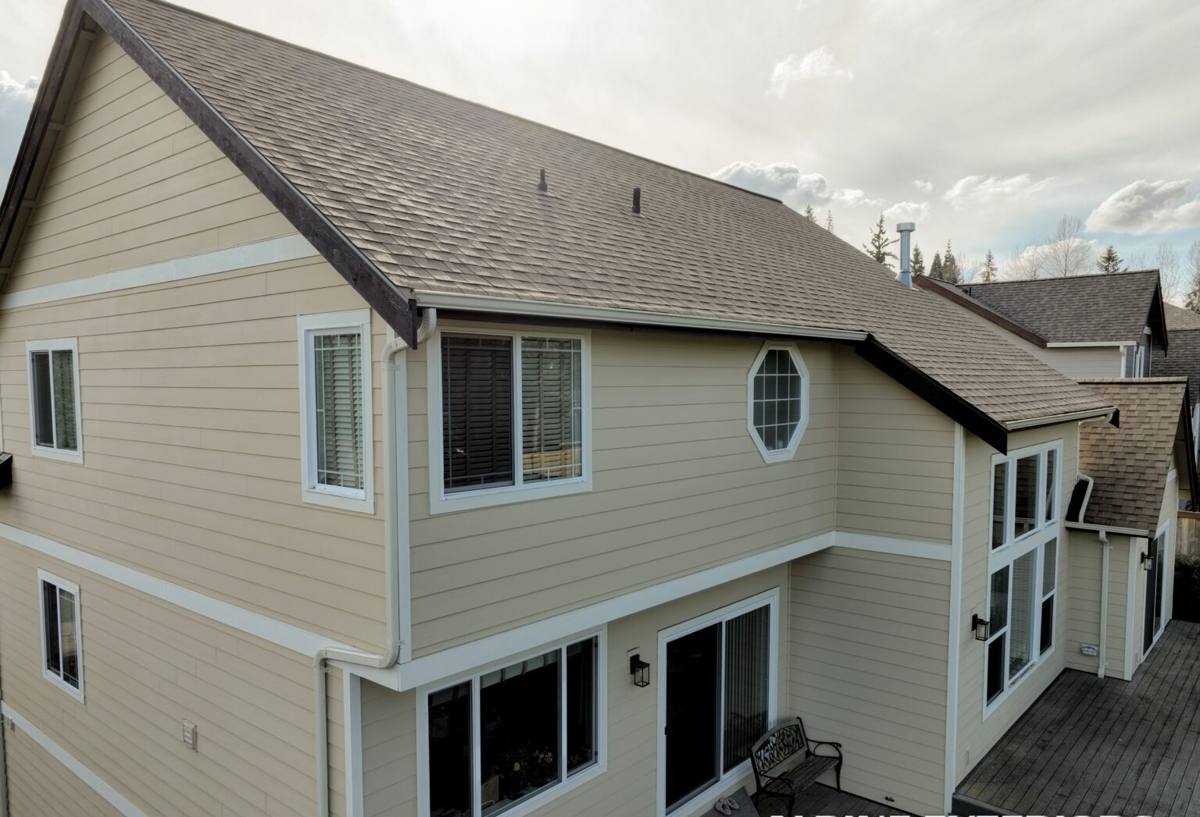
How You Know a Blaine Home Needs New Windows
Most homeowners don't wake up one day and decide they need windows — the house tells them gradually. Common signs we see on service calls in this area include:
- Cold drafts near the sash or frame even when the window is fully latched
- Condensation or fogging between the panes of a double-pane unit, which means the seal has failed
- Wood sills or jambs that feel soft, spongy, or show dark staining
- Visible corrosion on hinges, cranks, or locking hardware
- Rising heating bills that don't match any change in usage
- Windows that are difficult to open, close, or lock — usually a sign the frame has shifted or swelled
Any one of these on its own might just need a repair. Several of them together, especially on the weather-facing side of the house, usually mean it's time to talk about replacement rather than patching.
What "Energy-Efficient" Actually Means in This Climate
Energy efficiency in a window isn't one feature — it's the combination of the glass package, the frame material, and how well the unit is sealed into the wall. In a marine climate like Blaine's, all three matter more than they would somewhere drier and milder.
Glass Packages
Most energy-efficient replacement windows today use dual-pane or triple-pane insulated glass with a low-emissivity (Low-E) coating and an inert gas fill, usually argon, between the panes. The Low-E coating reflects heat back into the room in winter and blocks solar heat gain in summer, while the gas fill slows heat transfer through the glass unit itself. For a house exposed to driving rain and temperature swings between a cold night and a sunny afternoon, a quality dual-pane Low-E unit is usually the practical choice — triple-pane adds cost and weight that isn't always justified unless the home has unusual noise or exposure issues.
Frame Materials
The frame is where coastal exposure really shows up over time. Vinyl frames handle moisture and salt air well and don't require repainting, which is a real advantage in a climate where wood trim needs regular upkeep. Fiberglass frames cost more but resist expansion and contraction better across temperature swings and hold paint longer if you want a specific color. Wood-frame windows can look excellent and perform well, but only if they're properly clad or maintained — bare or poorly finished wood in a salt-air, high-moisture environment is a maintenance commitment, not a set-it-and-forget-it choice. We'll walk through the trade-offs honestly based on your home's exposure rather than pushing one material for every job.
Installation Details That Matter More Than the Window Itself
A high-end window installed poorly will underperform a mid-grade window installed correctly. In this climate, the details that matter most are: proper flashing integration with the existing wall assembly so wind-driven rain can't get behind the window, correct shimming so the frame isn't under stress (which causes premature seal failure), continuous backer rod and sealant rather than sealant alone, and insulation in the gap between the window frame and the rough opening so you're not just trading an air leak for a hidden thermal gap. This is the part of the job that doesn't show up in a product brochure but determines whether the window actually performs for 20-plus years.
Comparing Frame Materials for a Blaine Home
| Frame Material | Salt Air / Moisture Resistance | Maintenance | Typical Cost Position |
|---|---|---|---|
| Vinyl | Strong — won't corrode or rot | Low — no painting, occasional cleaning | Entry to mid-range |
| Fiberglass | Strong — stable across temperature swings | Low to moderate | Mid to upper range |
| Clad Wood | Good on the exterior face; interior wood still needs care | Moderate | Upper range |
| Bare/Painted Wood | Weakest in this climate unless rigorously maintained | High — regular repainting and sealing | Varies |
This isn't a ranking of "best to worst" in general — it's specifically about how each material holds up against salt air, driving rain, and a long wet season. A bare wood window can still be the right call for a historic home where appearance matters most, as long as the owner understands the upkeep involved.
Our Process for a Blaine Window Replacement
- On-site assessment. We look at each window's exposure — south and west-facing walls that take direct wind-driven rain need different attention than sheltered sides of the house.
- Honest product recommendation. We'll go over glass and frame options based on your budget, the home's style, and its actual exposure, not a one-size-fits-all package.
- Removal and inspection of the opening. Once the old window is out, we check the rough opening and sill for hidden rot or water damage before anything new goes in — this is the step that gets skipped by crews trying to move fast.
- Proper flashing and sealing. Correct integration with the existing wall so water is directed out, not trapped behind the new window.
- Installation and insulation. The window is set plumb and square, shimmed correctly, and the surrounding gap is insulated — not just caulked shut.
- Final check and cleanup. Every window is tested for smooth operation and a tight seal before we consider the job done.
Why It Matters to Hire a Crew That Already Works in Blaine
Window installation standards that work fine in a dry inland climate can fall short here. A crew that regularly works Whatcom County's coastal areas already knows which details of flashing and sealing matter most against driving rain, understands how salt air affects hardware choices over time, and recognizes early moss and moisture damage on a sill or jamb before it becomes a structural problem. That local experience shows up in fewer callbacks and windows that actually perform through their full warranty period, not just for the first winter.
What to Ask Before You Hire Anyone for This Job
- Are you licensed and bonded to do this work in Washington State?
- Will you inspect and repair the rough opening if there's hidden damage, or just install over it?
- What warranty covers the glass unit, and separately, what warranty covers your installation labor?
- How do you handle flashing integration with my home's existing siding or trim?
- Can you explain, in plain terms, why you're recommending a specific frame material or glass package for my home?
- What's the realistic timeline, including lead time for the windows to be manufactured?
A contractor who answers these clearly and without hedging is generally one who does this work carefully and often.
Maintaining Energy-Efficient Windows Through Blaine's Wet Season
Even a well-installed window benefits from basic upkeep in this climate. Rinse salt residue off exterior frames and hardware a couple of times a year, especially on sides of the house exposed to wind off the water. Keep weep holes on vinyl and fiberglass frames clear of debris and moss so water can drain rather than pool. Check exterior caulking annually — sealant is a wear item and typically needs attention well before the window itself does. And if you have wood or clad-wood windows, inspect the finish each fall before the wet season sets in, since a small touch-up now is far cheaper than repairing rot later.
Ready for an Honest Look at Your Windows?
If your Blaine home has drafty, foggy, or hard-to-operate windows, we're happy to take a look and give you a straightforward assessment — no pressure, no upsell, just an honest read on what your home actually needs. Use the form below to request a free estimate.