 Ferndale Exterior
 Windows Built for This Stretch of Coastline
Homes on and around Lummi Nation sit close enough to the water that the weather is a different animal than what you'd deal with further inland in Whatcom County. Salt-laden air off Bellingham Bay and the Strait works on window hardware and finishes year-round, not just during storms. Add in driving rain that comes sideways more often than straight down, and a moss season that can stretch from fall through spring, and you've got a climate that finds every weak point in a window system. We've replaced windows on enough homes in this area to know which failure patterns show up here specifically, and we build every job around them.
This page is about one thing: window replacement for homes in and near Lummi Nation. Not a general overview of every service we offer — just what matters if you're looking at your windows right now and wondering whether it's time.
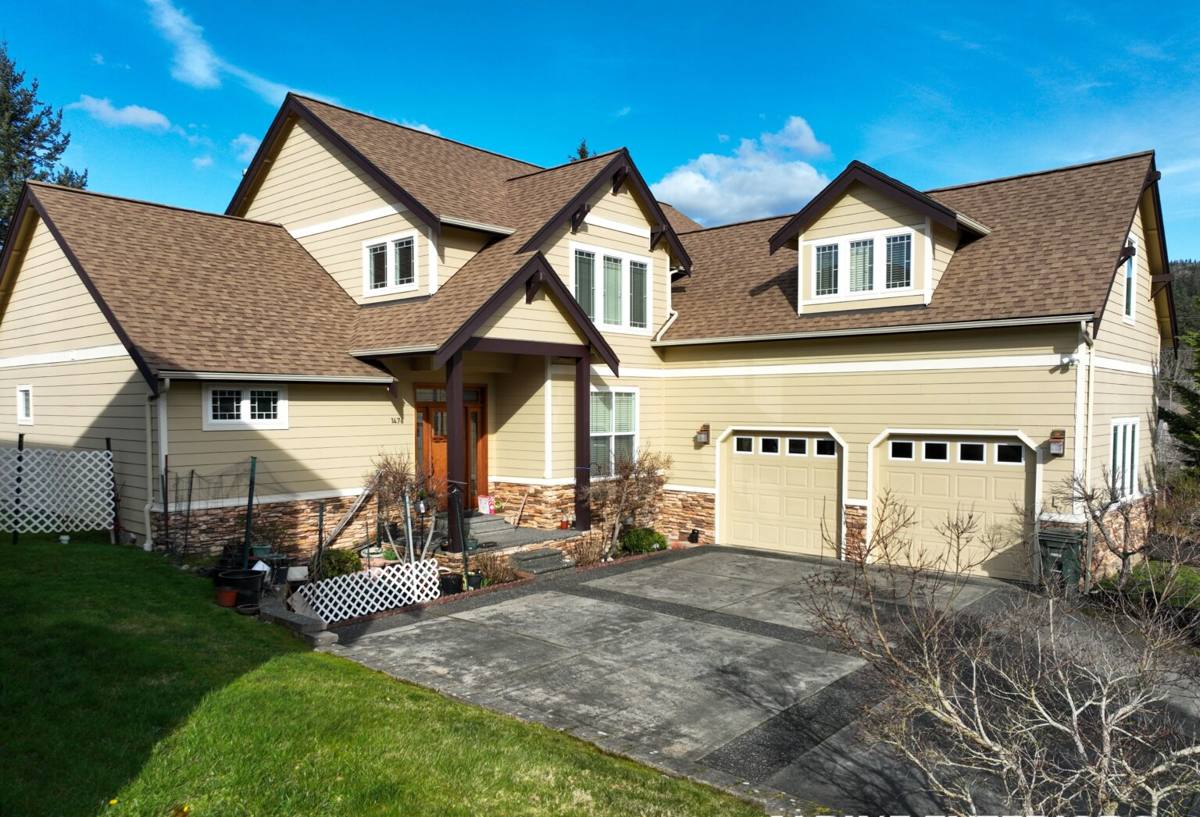
How to Tell Your Windows Are Losing the Fight
Coastal window failure rarely announces itself with a cracked pane. It shows up quieter, and homeowners often live with it for a year or two before calling anyone. Some signs to check for:
- Fogging or a permanent haze between panes on double-glazed windows (the seal has failed and moisture is trapped)
- Soft or discolored wood at the sill or bottom corners of the frame
- Hardware — latches, cranks, locks — that's stiff, corroded, or won't fully seat
- Visible daylight or a draft you can feel with your hand along the frame edge
- Paint or finish that's bubbling, peeling, or chalking faster than the rest of the exterior trim
- A noticeable jump in heating costs without any other explanation
- Green or black growth building up in the corners of the frame or on the sill, even after cleaning
Any one of these on its own might just mean routine maintenance. Two or three together, especially on the sides of the house that face the water or catch the prevailing weather, usually means the window itself is done and patching it is a short-term fix at best.
What a Correct Window Replacement Actually Involves
Swapping a window sounds simple — pull the old one, drop in the new one, caulk the edges. Done that way, it fails faster in this climate than almost anywhere else, because the flashing and water management get skipped or done halfway. A correct install is mostly about what happens before the new window ever goes in the opening.
Flashing and Water Management
Every opening needs to shed water down and out, never in and behind the siding. That means sill pan flashing at the bottom of the opening, proper lapping of house wrap and flashing tape at the sides and top, and a drainage path so any water that does get past the exterior finish has somewhere to go besides your wall cavity. In a driving-rain climate, this step matters more than the window brand or price point. We've opened up plenty of walls behind older installs and found rot that had nothing to do with the window itself and everything to do with flashing that was never installed correctly the first time.
Frame Material Matters More Here
Salt air accelerates corrosion on hardware and can degrade certain finishes faster than in a dry inland climate. That doesn't mean you need the most expensive option on the market — it means the material and hardware need to be matched to actual coastal exposure, not just picked off a showroom floor. We'll tell you honestly if a product isn't a good fit for how exposed your home is, even if it's a fine window somewhere else.
Air and Moisture Sealing
Low-expansion window foam or backer rod and sealant around the frame, plus interior air sealing, keeps conditioned air in and keeps humid outside air from finding its way into wall cavities where it condenses. Skipping this step is invisible on install day and expensive two winters later.
Comparing Frame Materials for Coastal Exposure
There's no single "best" window material — it depends on how exposed the home is, your maintenance appetite, and your budget. Here's how the common options generally hold up in a salt-air, high-moisture environment like this one:
| Frame Material | Coastal Exposure Handling | Maintenance | Typical Trade-Off |
|---|---|---|---|
| Vinyl | Good — won't corrode or rot, handles moisture well | Low | Limited color/finish options, can look less premium on higher-end homes |
| Fiberglass | Very good — dimensionally stable, resists moisture and corrosion | Low | Higher upfront cost than vinyl |
| Aluminum | Fair — durable but prone to corrosion near salt air without proper coatings | Moderate | Conducts heat/cold, needs a marine-grade finish here |
| Wood-clad | Fair to good depending on cladding quality — cladding protects the wood, but any breach lets moisture into the wood core | Higher | Best look for some home styles, but installation sensitivity is high in this climate |
We install a range of these depending on the home and the homeowner's priorities. Our job is to walk you through which one fits your specific exposure — a window on the water-facing side of the house doesn't always need the same spec as one tucked under an eave on the leeward side.
Our Window Replacement Process
- On-site assessment. We look at each window individually — exposure, current condition, signs of water intrusion behind the trim — rather than quoting off a generic per-window number.
- Measurement and ordering. Exact measurements matter more than people expect; a window that's slightly out of square is a leak waiting to happen.
- Removal and opening inspection. Once the old window is out, we check the framing and sheathing underneath before anything new goes in. If there's hidden rot or damage, we tell you before we cover it back up, not after.
- Flashing and installation. Sill pan, flashing tape, and proper sequencing with the house wrap, then the new window is set, shimmed level and square, and sealed correctly inside and out.
- Interior and exterior finish work. Trim, caulking, and touch-up so the install looks finished, not patched.
- Final walkthrough. We check operation on every window — smooth open/close, locks seating properly — before we consider the job done.
What Affects the Cost
We're not going to throw out a number here that doesn't mean anything without seeing your home, but these are the factors that actually move the price up or down on most jobs in this area:
| Factor | Why It Matters |
|---|---|
| Number and size of windows | Bigger openings and more of them mean more material and labor |
| Frame material chosen | Vinyl, fiberglass, aluminum, and wood-clad all sit at different price points |
| Condition of the existing opening | Hidden rot or framing damage found during removal adds repair work before the new window goes in |
| Access and home height | Second-story or hard-to-reach windows take more time and equipment |
| Full-frame vs. insert replacement | Full-frame replaces down to the studs; inserts fit inside an existing frame and cost less but aren't right for every situation |
| Trim and finish work needed | Matching existing exterior trim or repairing siding around the opening adds scope |
Broad honest range for most single-window replacements on homes in this area runs from a few hundred dollars per window on the low end up into four figures per window for larger openings, premium materials, or full-frame work with repairs. We'll give you real numbers after we've actually looked at the windows in question.
Why a Crew That Already Works Lummi Nation Matters
Window replacement here isn't identical to a job twenty miles inland, and it helps to work with a crew that's already accounted for that rather than learning it on your dime. A few things that come up specifically in this area:
- Some homes here fall under different permitting or jurisdictional processes than the surrounding county — we sort out what applies before scheduling work, rather than assuming one blanket process covers every property.
- Wind exposure and moisture load vary a lot depending on how close a home sits to the water and which direction it faces, and we've seen enough of these homes to know what to check for on each side of a house.
- Weather windows for exterior work can be tighter here than inland — we plan installs around realistic forecasts rather than pushing through conditions that compromise the seal.
- Being local means a shorter response time if something needs a callback after install, and a crew that's already familiar with your neighborhood instead of learning the area for the first time on your job.
None of that is complicated, but it's the kind of local knowledge that either saves you a headache or costs you one, depending on whether the crew you hire already has it.
Keeping New Windows Performing After Install
A correctly installed window in this climate still needs a little upkeep to get its full lifespan out of it. It's not heavy maintenance, just consistency:
- Rinse salt residue off frames and glass periodically, especially on sides of the home facing open water — salt film left to sit is what accelerates hardware corrosion and finish wear
- Clear moss and debris out of window sills and tracks before it holds moisture against the frame through the wet season
- Operate every window a few times a year, even ones you rarely open, so hardware doesn't seize up
- Check exterior caulking annually and touch up anywhere it's cracked or pulled away
- Keep gutters and downspouts clear near window openings so overflow isn't running down across the frame
None of this is complicated, but skipping it is exactly how a good window install starts looking like a bad one after a few years.
Talk to a Local Crew Before You Decide
If your windows are showing any of the signs above, or you're just weighing whether repair or replacement makes more sense for your home, we're happy to come take a look. There's no pressure and no obligation — just a straight assessment of what your windows actually need, from a crew that already works this part of Whatcom County. Use the form below to request a free estimate.