 Ferndale Exterior
 Window Replacement for Marietta Homes
Marietta sits close enough to Bellingham Bay and the Nooksack delta that its homes take a different kind of weather beating than houses further inland in Whatcom County. Salt-tinged air off the water, long stretches of driving rain, and a moss season that seems to start earlier every year all work on window frames, sills, and the seals around them. If you've owned a home in this pocket of Ferndale for more than a few winters, you've probably already noticed it: sticky sashes, fogged glass, drafts you can feel standing near the frame, or trim that's started to soften at the bottom corners.
Window replacement here isn't just a cosmetic upgrade. Done right, it's one of the more effective things you can do to stop moisture from working its way into the wall assembly behind the window — which is where the expensive damage actually happens. This page covers what Marietta homes typically need, what a correct installation involves, and how our crew approaches the job.
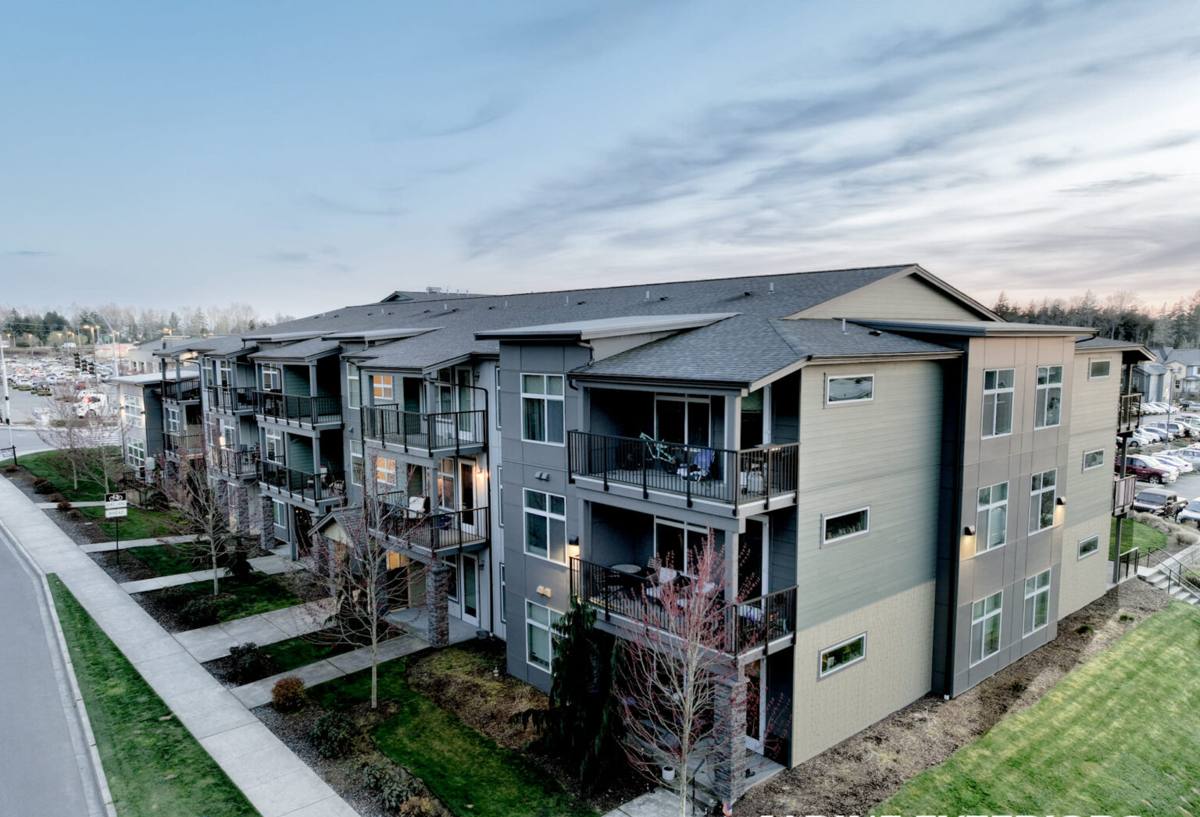
Why Marietta's Climate Is Hard on Windows
A few things stack up against windows in this area specifically:
- Salt-laden air — proximity to the bay means airborne salt settles on exterior surfaces over time, which accelerates corrosion on hardware, fasteners, and lower-grade metal components.
- Driving rain — wind-driven rain doesn't just wet a window face, it tests the flashing and seal around the whole frame. A weak seal that would be fine in a calmer climate can fail here.
- Extended moss and mildew season — persistent damp conditions keep wood trim and sills wet for longer stretches, which is exactly the environment mold, rot fungi, and moss favor.
- Temperature swings — cool, damp nights against daytime warming cause condensation cycles on older single-pane or failed dual-pane glass, which shows up as fogging between panes or constant interior moisture on the glass.
None of this means Marietta homes need anything exotic. It means the installation details — flashing, sealant choice, sill pan drainage, and frame material — matter more here than they would in a drier region.
Signs a Marietta Home Needs Window Replacement
Not every drafty window needs full replacement — sometimes it's a hardware or weatherstripping fix. But these signs usually point to the window itself, or the surrounding wall, being past the point of a simple repair:
- Fogging or a hazy film between panes of dual-pane glass (the seal has failed and can't be repaired)
- Wood sills or trim that are soft, discolored, or crumbling when pressed
- Visible moss or persistent green staining on sills and lower trim
- Windows that won't stay open, won't latch, or have become difficult to operate
- Noticeable drafts or a cold spot near the window even with it fully closed
- Paint that keeps failing on the exterior trim no matter how often it's redone
- Rising energy bills without another clear explanation
What a Correct Window Replacement Involves
It Starts Below the Window, Not At It
The single most important part of a window replacement isn't the window — it's what happens at the rough opening before the new window goes in. In a wet climate like ours, a sill pan (a flashing membrane at the bottom of the opening that directs any water that gets past the window back outside) is the difference between a window that sheds water for decades and one that quietly rots the wall framing behind it. We install sill pan flashing as standard practice, not an upsell.
Flashing and Air Sealing Around the Frame
Above and beside the window, flashing tape and housewrap integration need to be layered correctly — upper layers overlapping lower ones — so water is always directed outward and down, never trapped behind the siding. Air sealing with a quality low-expansion foam or backer rod and sealant closes the gap between the window frame and the rough opening without over-packing it, which can bow the frame and cause the sash to bind.
Fastening and Shimming
A window needs to be shimmed plumb, level, and square before it's fastened — not just tacked in and caulked. An out-of-square install is one of the most common reasons a window operates poorly or develops leaks within a few years, regardless of how good the window itself is.
Interior and Exterior Trim
Once the window is set and sealed, trim work finishes the job — matching existing profiles where we're replacing a single window in an otherwise original house, or updating trim style where a homeowner wants a cleaner look across several windows.
Choosing Materials for This Climate
Frame material matters more in a salt-air, high-moisture environment than in most parts of the country. Here's how the common options generally compare for a home in this area:
| Material | How It Handles Our Climate | Maintenance |
|---|---|---|
| Vinyl | Doesn't corrode from salt air; handles moisture well; can look dated on older or higher-end homes if not chosen carefully | Low — occasional cleaning |
| Fiberglass | Very stable in temperature swings and damp conditions; resists warping; strong long-term choice near the water | Low |
| Wood (clad or unclad) | Classic look, but unclad wood is the most vulnerable to our rain and moss season if not maintained | High — regular paint/stain and sealing |
| Aluminum | Can corrode faster in salt air unless properly finished; also conducts cold, which shows up as condensation | Moderate |
| Wood-clad (exterior clad, wood interior) | Good middle ground — protected exterior face, warmer wood look inside | Low exterior, occasional interior care |
We don't push one material on every home. A lot of it comes down to your home's style, your budget, and how much upkeep you actually want to do. What we won't do is install a product or configuration we know performs poorly in this specific climate just because it's cheaper up front — we'd rather tell you the trade-offs honestly and let you decide.
Glass Package Matters Too
Beyond the frame, the glass unit itself affects comfort and condensation resistance. Low-E coatings and argon-filled dual-pane (or triple-pane, for homes wanting maximum performance) glass reduce heat loss and cut down on interior condensation during our cool, damp stretches — a common complaint in older single-pane or early dual-pane windows.
Our Process for Marietta Window Projects
- On-site assessment — we look at each window individually, not just the glass but the sill, trim, and surrounding wall for signs of moisture damage.
- Honest scope conversation — some homes need a handful of windows replaced, others need a full-house approach. We'll tell you which windows can wait and which shouldn't.
- Material and glass selection — matched to your home's style, budget, and how exposed that side of the house is to weather.
- Proper opening prep — removal, inspection of the framing underneath, and repair of any soft or damaged wood before the new window ever goes in.
- Flashing, sealing, and install — sill pan, layered flashing, correct shimming, and air sealing as described above.
- Trim and cleanup — interior and exterior finish work, with the job site left clean.
Why Hire a Crew That Already Works This Area
A window installer who mostly works drier inland regions can put in a perfectly good-looking window that still fails in five years near the bay, simply because the flashing detail or sealant choice wasn't suited to this much sustained moisture and salt exposure. Crews that work Ferndale and the surrounding Whatcom County waterfront regularly see how homes here actually age — which sides of a house take the worst weather, where moss builds up fastest, and which older installation shortcuts tend to fail first. That local pattern recognition is hard to substitute with a generalized process.
There's also a practical side: a local crew can respond quickly if something needs a follow-up look, and stands behind the work because we're not driving in from out of the area for a one-off job.
What This Typically Costs
Window replacement pricing depends on window size, quantity, material, glass package, and how much wall or sill repair is needed once the old window comes out. A single vinyl replacement window in an otherwise sound opening sits at the lower end of the range; a full-house project with fiberglass or wood-clad windows, larger openings, or repair work behind failed old windows runs higher. Rather than quote a number that won't reflect your actual home, we'd rather walk the windows with you and give you a real figure.
Simple Maintenance That Extends Window Life
Whatever material you choose, a little seasonal attention goes a long way in this climate:
- Rinse salt residue and grime off exterior frames a few times a year, especially after storms
- Clear moss and debris from sills and tracks before it holds moisture against the frame
- Check and re-caulk any gaps in exterior trim before the wet season sets in
- Operate windows periodically through the year so hardware and weatherstripping don't seize or compress unevenly
- Watch for early condensation between panes — it means a seal has started to fail, and catching it early keeps repair options open
If your Marietta home has windows showing any of these signs, or you're just ready to stop fighting drafts and fogged glass, we're happy to take a look. Fill out the form below for a free, no-pressure estimate — we'll walk the windows with you and give you a straight answer on what actually needs doing.