 Ferndale Exterior
 Roofing on Sandy Point Takes a Different Kind of Beating
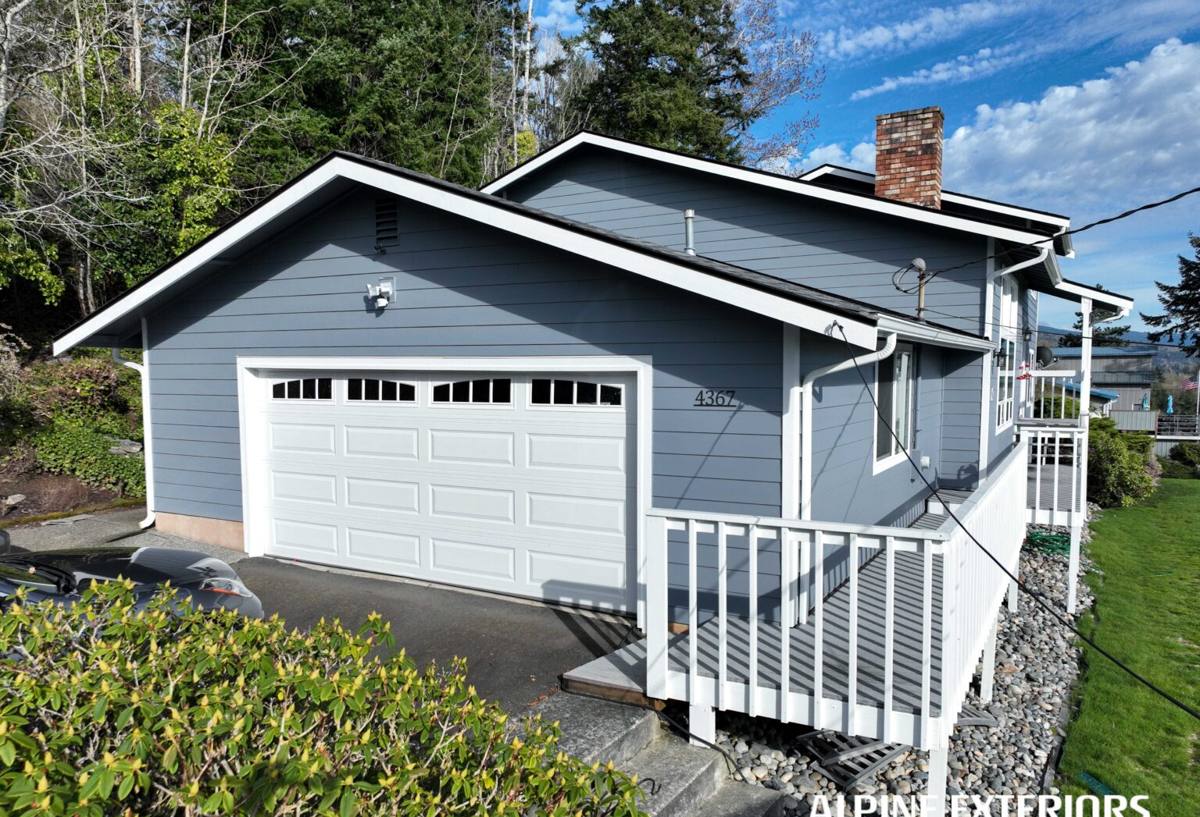
Sandy Point sits out on the water, which means the same wind and waves that make it a great place to live also make it a hard place to keep a roof watertight. Homes here don't just deal with occasional storms — they deal with a steady diet of salt-laden air, wind-driven rain that gets pushed sideways under normal roof details, and a moss season that runs longer than it does just a few miles inland in Ferndale. A roof that would be fine in a sheltered Whatcom County neighborhood can develop real problems out here years earlier if it wasn't built or repaired with that exposure in mind.
Storm damage repair on a Sandy Point roof isn't just "patch the hole and move on." It has to account for how the roof will keep taking punishment after we leave. That's the difference between a repair that lasts one season and one that lasts fifteen years.
What Makes Storm Damage Different Out Here
Salt Air and Metal Fatigue
Airborne salt accelerates corrosion on anything metal — flashing, fasteners, gutter hardware, vent caps. A storm that rips or lifts flashing on a Sandy Point home is often finishing off metal that was already weakened by years of salt exposure. When we repair storm damage here, we don't just re-secure what's there; we check the condition of the metal itself, because compromised flashing is one of the top causes of repeat leaks after a storm.
Driving Rain and Wind-Driven Water
Straight-down rain is easy for any roof to shed. Rain that's being pushed sideways by wind coming off the water is a different problem. It finds its way under shingles, around vents, and through nail holes that would never leak in calmer conditions. After a windstorm, this is usually where we find hidden entry points — not always where the visible damage is.
Extended Moss Season
Whatcom County's damp climate already favors moss growth, and Sandy Point's persistent moisture and shade patterns push that season even longer. Moss holds water against the roof surface, works its way under shingle edges, and lifts materials just enough for wind and rain to get underneath. A storm often exploits a weak spot that moss created months earlier — which is why we always check for moss-related lifting when we're assessing storm damage, not just the obvious wind or impact damage.
What a Correct Storm Damage Repair Actually Involves
A rushed repair after a storm usually just addresses what's visible from the ground or from a quick look on the roof. A correct repair works through the whole system, because storm damage rarely stays contained to one spot.
- Full roof walk to check every plane, not just the side facing the storm — wind damage on Sandy Point often shows up on the leeward side too, from turbulence and uplift
- Inspection of all flashing points: chimneys, vents, skylights, wall-to-roof transitions, and valleys
- Check of fastener condition, especially on older metal that's had years of salt exposure
- Interior check of the attic or roof deck from below for water staining, soft spots, or daylight where there shouldn't be any
- Assessment of underlayment condition wherever shingles were lifted or removed
- Gutter and drainage check — storm debris and wind damage often clog or dent gutters, which then causes secondary water damage
- Documentation of the damage, useful if you're filing an insurance claim
Skipping any of these steps is how homeowners end up calling a roofer back three months later for "the same leak."
Our Process for Sandy Point Storm Damage Calls
1. Inspection First, Always
Before we talk about repair scope or cost, we get eyes on the actual damage — on the roof when it's safe to do so, and from the attic side as well. We tell you honestly what we find, including if something looks like pre-existing wear rather than fresh storm damage. That distinction matters for insurance purposes and for your own understanding of the roof's condition.
2. Clear Explanation of What's Needed
We walk you through what's damaged, what's at risk if it's not addressed, and what the repair involves. If there's a cheaper, honest option — like resecuring and resealing instead of full replacement of a section — we'll tell you that too. We're not incentivized to oversell a repair.
3. Repair With Materials That Suit the Exposure
Given the salt air and rain exposure at Sandy Point, we pay close attention to fastener and flashing material choices, and we make sure underlayment and sealing details are done right the first time — because a callback out to the point costs everyone time and money that a correct repair the first time avoids.
4. Cleanup and Final Check
We clear debris, check gutters and drainage are functioning, and do a final walk-through so you know exactly what was done and what to keep an eye on going forward.
Common Types of Storm Damage We See on Sandy Point Roofs
| Damage Type | Typical Cause | Why It Matters |
|---|---|---|
| Lifted or missing shingles | High wind gusts off the water | Exposes underlayment and deck to rain |
| Bent or torn flashing | Wind combined with salt-weakened metal | Common leak point around chimneys and vents |
| Granule loss | Driving rain and wind abrasion over time | Shortens shingle lifespan, reduces UV/moisture protection |
| Moss-related lifting | Extended damp season, shaded roof areas | Creates entry points that storms then widen |
| Clogged or damaged gutters | Storm debris, wind-driven branches | Causes water backup under roof edges |
| Nail pops or exposed fasteners | Wind uplift and material movement | Direct path for water intrusion |
Repair vs. Replacement After a Storm
Not every storm-damaged roof needs full replacement, and not every repair is a good long-term fix. The right call depends on the roof's age, how widespread the damage is, and what condition the rest of the roof is in.
| Factor | Leans Toward Repair | Leans Toward Replacement |
|---|---|---|
| Roof age | Under 10-12 years | Nearing or past expected lifespan |
| Extent of damage | Localized to one section | Spread across multiple roof planes |
| Underlying deck condition | Sound, no rot or soft spots | Signs of water damage to the deck |
| Prior repair history | First significant storm issue | Repeat leaks or patches in the same areas |
| Overall material condition | Good granule coverage, flexible material | Widespread granule loss, brittle shingles |
We'll give you a straight answer on which side of that table your roof falls on, and we won't push replacement if a solid repair will genuinely hold up.
Why Hiring a Crew That Already Works Sandy Point Matters
A roofer who mostly works inland jobs may not think twice about standard flashing details or fastener choices that are perfectly fine there but undersized for what a waterfront property in Whatcom County deals with. Working Sandy Point regularly means we already know which parts of a roof tend to fail first out here, what moss patterns to expect given the tree cover and moisture, and how wind behaves differently on a point of land than it does a few blocks inland in Ferndale. That local pattern recognition shortens the inspection, sharpens the diagnosis, and helps us catch secondary damage that an unfamiliar crew might miss.
It also means we're realistic with you about maintenance. A roof out here isn't a "fix it once and forget it" situation — the salt air and moss season mean periodic checks are worth it, especially after any significant windstorm, even if nothing looks obviously wrong from the ground.
What You Can Check Yourself After a Storm (Safely)
You don't need to get on the roof to do a basic post-storm check. From the ground, with binoculars if needed, look for:
- Shingles that look curled, cracked, or visibly missing
- Granules collecting in gutters or at downspout outlets
- Flashing that looks bent, lifted, or separated from the roof line
- Sagging or uneven sections along the roofline
- Water stains on interior ceilings, especially near chimneys, skylights, or exterior walls
- Debris buildup in gutters or valleys that could be trapping water
If you notice any of these, it's worth getting a professional look before the next storm rolls through — small issues out here don't tend to stay small for long.
Insurance and Documentation
If a storm caused clear, sudden damage — a fallen branch, wind-torn shingles, a sudden leak after a windstorm — your homeowner's insurance may cover the repair. We document what we find during inspection, including photos of the damage, which can support a claim. We're not a public adjuster and won't promise a claim outcome, but we can give you an honest, detailed account of the damage to bring to your insurer.
Get an Honest Look at Your Roof
If your Sandy Point home took a hit in a recent storm, or you just want a professional set of eyes on things before the next one, we're happy to come take a look. We'll give you a straightforward assessment — what's damaged, what's not, and what it actually takes to fix it right. Fill out the form below for a free, no-pressure estimate.