 Ferndale Exterior
 Custom Windows for Homes in the Cordata Area
Homes around Cordata sit in a stretch of Whatcom County where the weather doesn't do anything halfway. Winters bring long stretches of driving rain pushed sideways by wind off the water, summers are mild but humid, and the moss season runs longer here than almost anywhere else in the state. Windows take the brunt of all of it — they're the weak point in an otherwise solid wall, and a poorly fitted or aging window is usually the first place a house starts losing the fight against the climate.
"Custom" windows aren't about luxury upgrades. For most homes in this area, it means windows built and installed to match the actual opening, the actual wall assembly, and the actual exposure of that specific house — not a generic stock size forced into place with extra caulk. That distinction matters more here than in drier parts of the country, because a shortcut on fit or flashing shows up as a wet sill or a moldy jamb within a season or two, not years down the road.
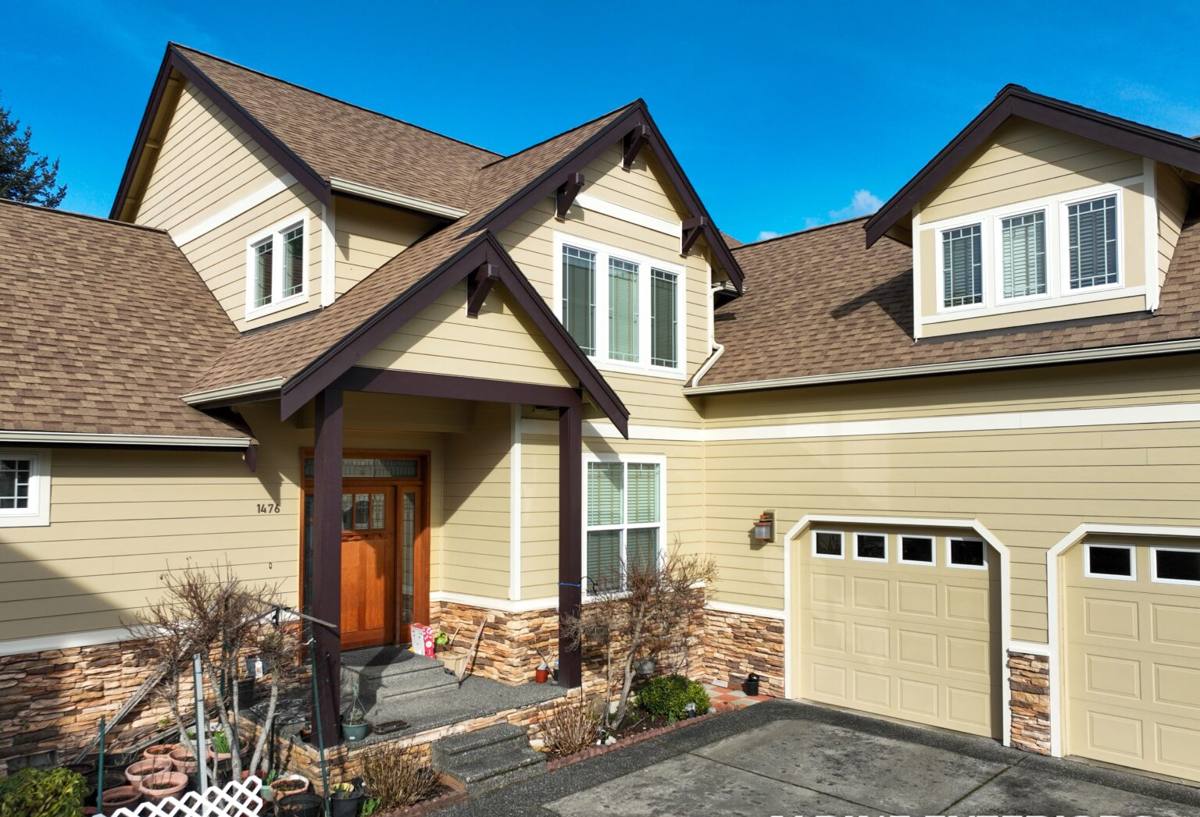
What Local Climate Does to Windows Over Time
Salt Air and Metal Fatigue
Proximity to the water means a steady low-level exposure to salt-laden air. It's not dramatic, but it's relentless. Over years, salt air accelerates corrosion on window hardware — hinges, cranks, balance mechanisms, and screws — and it can pit uncoated aluminum components faster than manufacturers' standard finishes are rated for in coastal zones. Cheap or mismatched hardware is often the first thing to fail on an otherwise sound window in this area.
Driving Rain and Water Intrusion
Wind-driven rain doesn't just fall on a window — it gets pushed into every gap, seam, and fastener hole under pressure. A window that would perform fine in a calmer climate can leak here if the flashing details, sill pan, or sealant joints aren't done correctly. Most of the water damage we see around window openings isn't from a bad window — it's from a window that was installed without accounting for wind-driven rain moving sideways and upward, not just straight down.
The Long Moss Season
Whatcom County's wet season stretches long enough that moss and algae get a real foothold on anything that stays damp — including window sills, exterior trim, and the bottom corners of frames that don't drain properly. Beyond the cosmetic issue, sustained moisture at these points slowly breaks down caulk, primer, and paint, and it can work its way into wood trim or sheathing if it's not addressed.
Signs a Cordata-Area Home Needs Window Attention
- Fogging or a visible haze between panes — a sign the seal on a double- or triple-pane unit has failed
- Soft or discolored trim, sills, or drywall near the window, especially at the bottom corners
- Visible moss, algae, or persistent black streaking on the sill or exterior casing
- Noticeable draft or temperature difference near the window on windy days
- Windows that are difficult to open, close, or lock — often a sign the frame has shifted or swelled
- Condensation forming on the inside of the glass regularly, even in mild weather
- Visible daylight or gaps around the frame from outside
Any one of these on its own isn't necessarily an emergency, but they're all worth a look before another wet season adds to the problem.
What "Custom" Actually Means for This Area
A custom window job starts with measuring the actual rough opening — not assuming it matches a standard size, which is common in older homes in this part of the county where framing wasn't always built to modern tolerances. From there, the frame material, glazing package, and hardware get chosen based on the wall's exposure: a window facing prevailing wind and rain gets different flashing and sealant detailing than one tucked under an eave on a sheltered side of the house.
| Frame Material | Performance in This Climate | Maintenance Load |
|---|---|---|
| Vinyl | Good moisture resistance, no corrosion risk; performance depends heavily on installation quality | Low — occasional cleaning, no painting |
| Fiberglass | Stable in temperature swings, holds paint well, resists warping from sustained moisture | Low to moderate |
| Wood-clad | Strong look and insulation value; the exterior cladding needs to be intact to keep wood core dry | Higher — cladding seams and sills need periodic inspection |
| Aluminum | Durable but conducts cold and is more prone to condensation; hardware needs corrosion-resistant coatings near the water | Moderate — hardware and finish checks |
None of these materials is automatically "wrong" for the Cordata area — the right call depends on the specific wall, the window's exposure, and the homeowner's priorities on upkeep versus upfront cost. Our job is to walk through those trade-offs honestly rather than push one product line regardless of fit.
Our Installation Process
- On-site assessment. We measure the actual openings, check the condition of the surrounding framing and sheathing, and note the exposure of each window — which sides take the most wind and rain.
- Material and glazing selection. We go over frame material, glass package, and hardware options based on that specific opening, not a one-size answer for the whole house.
- Removal and opening prep. Old windows come out carefully so we can inspect the sill, jack studs, and sheathing underneath for hidden rot or moisture damage before anything new goes in.
- Sill pan and flashing installation. This is the step that determines whether a window leaks in five years or lasts decades in this climate. We build the drainage path first, then install the window into it.
- Window setting and fastening. The unit is shimmed level and plumb, fastened per manufacturer spec, and checked for square before sealing.
- Sealing and weatherproofing. Interior and exterior sealant is applied at the correct joints — not everywhere, since over-sealing can trap moisture instead of letting it drain.
- Trim and finish work. Interior and exterior trim is reinstalled or replaced, and paint or caulk lines are finished to match the house.
- Final walkthrough. We test operation, check for drafts, and confirm the homeowner understands basic care for the new windows.
Flashing and Water Management Details Worth Knowing
Homeowners rarely see this part of the job, but it's the part that matters most here. A sill pan creates a sloped, waterproof pocket under the window so any water that does get past the glass or frame drains back out instead of soaking into the wall. Flashing tape at the sides and top directs water down and around the opening rather than behind it. Head flashing above the window sheds water outward before it ever reaches the frame.
Skipping or rushing any of these steps is the single most common cause of window-related water damage we get called out to fix — not a failed window unit itself, but water that got behind a window that was set into an opening without proper drainage. In a climate with as much wind-driven rain as this one gets, these details aren't optional extras; they're the actual job.
Cost Factors for Custom Window Projects
| Factor | Why It Affects Cost |
|---|---|
| Frame material | Vinyl is generally the most budget-friendly; fiberglass and wood-clad cost more upfront but bring different maintenance profiles |
| Glazing package | Double-pane, triple-pane, and low-E coatings each carry different price points and energy performance |
| Opening condition | Hidden rot or framing damage found during removal adds repair work before the new window can go in |
| Number and size of openings | Larger or custom-shaped windows require more material and labor per unit |
| Exposure level | Windows on the wind- and rain-facing side of a house may need more extensive flashing and sealant work |
| Trim and finish scope | Matching existing trim profiles or repainting affected areas adds to the finish stage |
We don't quote a house without seeing it — a per-window estimate off a phone call isn't reliable once you factor in condition and exposure, both of which vary a lot even within the same street.
Maintenance Through a Long Moss Season
Custom windows installed correctly still need a small amount of upkeep to hold up through Whatcom County's wet stretches:
- Clear debris and moss buildup from sills and tracks a couple of times a year, especially going into fall
- Check weep holes on vinyl and aluminum frames to make sure they're not blocked, since these let trapped water drain out
- Inspect exterior caulk lines annually for cracking or separation and touch up before winter rains set in
- Wipe down hardware periodically if the home is closer to the water, since salt air accelerates corrosion on cranks and locks
- Watch for soft trim or paint bubbling near the frame, which usually signals moisture getting in somewhere
Why It Matters to Hire a Crew That Already Works This Area
A window that's correctly rated and installed for a drier inland climate can still underperform here if the installer doesn't account for wind-driven rain, salt air, and a moss season that keeps things wet for months at a stretch. Crews who work regularly in Ferndale and the surrounding Whatcom County communities know which details can't be skipped — sill pan flashing, weep hole placement, hardware selection — because they're the ones who get the callback if it's done wrong. That local track record isn't a marketing point, it's practical knowledge built from seeing how houses in this specific climate actually hold up over time.
If you're weighing whether it's time to replace aging windows, dealing with a leak or draft you can't pin down, or just want a straight answer on what a correctly installed custom window costs for your specific home, we're happy to take a look. We offer free, no-pressure estimates — use the form below to get in touch and we'll go from there.