 Ferndale Exterior
 Kendall's Siding Problem Isn't the Same as Downtown Ferndale's
Kendall sits back from Bellingham Bay, tucked into the tree-covered foothills along the Mount Baker Highway corridor. That distance from open water changes the math on siding a little compared to a house sitting right on the water in Ferndale proper — but it doesn't make the job easier. Kendall homes trade direct salt spray for something just as hard on wood-based siding: heavy tree canopy, longer damp-shade periods, and a moss season that can run most of the year in the right spot. Add in the driving rain that comes off the Cascades foothills and the marine-influenced air that covers all of Whatcom County, and you've got a climate that punishes anything that isn't dimensionally stable and properly finished.
We've worked houses in this area long enough to know the difference between a siding failure caused by a bad product and one caused by a bad install. Most of what we see in Kendall is the second kind — siding that might have held up fine somewhere drier, installed without the clearances, flashing, or coatings this climate actually demands.
Why We Only Install James Hardie Fiber Cement
We don't install LP SmartSide, vinyl, Cemplank, Allura, primed spruce, or bare cedar. That's not a marketing line — it's a standard we settled on after seeing how these products actually perform over years in western Washington weather, not just how they look on day one.
- Vinyl is affordable and low-maintenance, but it expands and contracts with temperature swings, can warp or crack in cold snaps, and doesn't hold paint if a homeowner ever wants to change the color.
- LP SmartSide and primed spruce are engineered or solid wood products. They perform well when kept dry and coated on schedule, but they're organic material — meaning sustained moisture exposure, which Kendall has plenty of under tree cover, is exactly the condition that shortens their life.
- Bare or minimally treated cedar is beautiful but needs real upkeep — restaining, sealing exposed cuts, watching for rot at ground contact — upkeep that's easy to fall behind on.
- Other fiber cement brands (Cemplank, Allura) use similar core technology to Hardie but don't offer the same climate-specific engineering, factory finish warranty, or track record we've come to trust for this region.
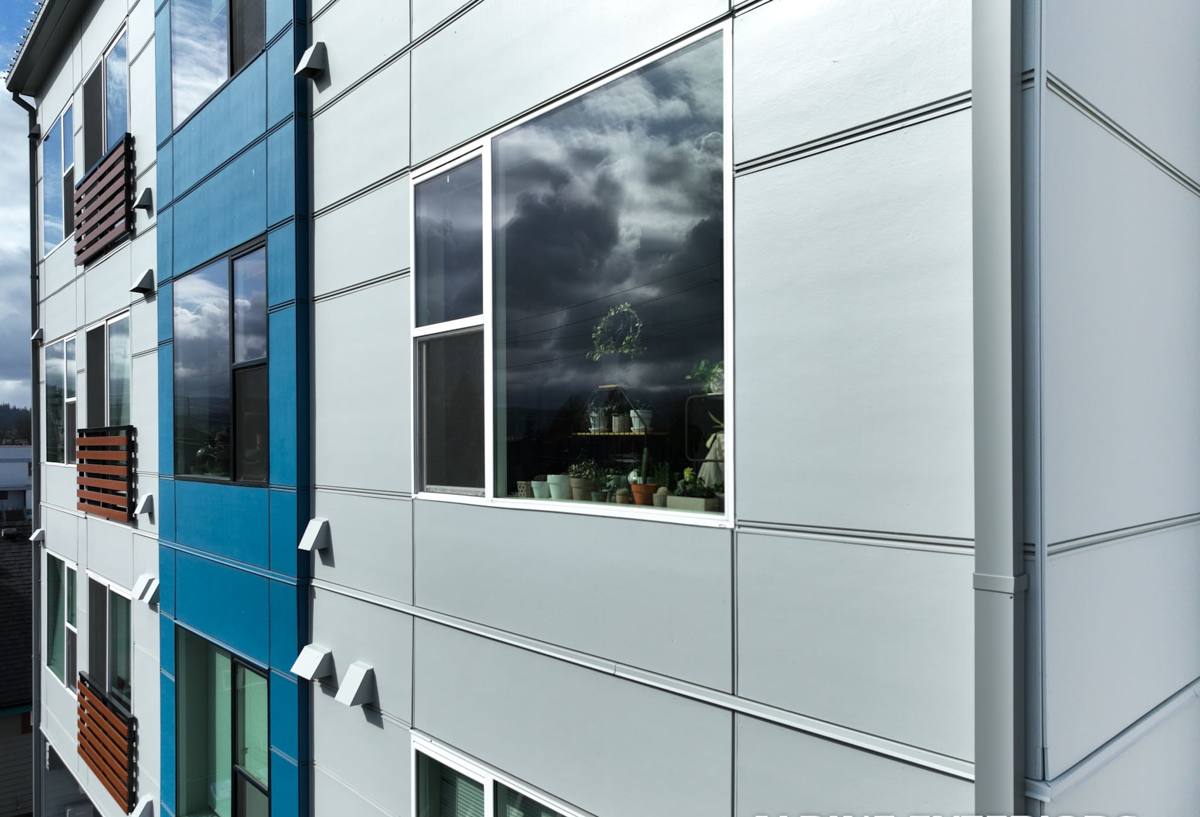
James Hardie fiber cement is non-combustible, doesn't expand and contract the way vinyl does, and — critically for Kendall — is manufactured in a climate-specific formulation for the Pacific Northwest. It won't rot, it resists moss and mildew far better than wood-based products, and the ColorPlus factory finish is baked on under controlled conditions rather than sprayed on-site, which matters when the color has to survive years of wet, shaded weather.
What "Correct" Fiber Cement Installation Actually Involves
Fiber cement is only as good as its installation. A rushed or corner-cut job on this product can trap moisture behind the boards just as badly as a bad wood installation — the material itself won't rot, but the sheathing, framing, and trim behind it can if water gets in and has nowhere to go.
The details that matter most in Kendall's climate
- A drainage plane (weather-resistive barrier) installed correctly behind the siding, not just stapled up as an afterthought
- A minimum gap maintained between the bottom of the siding and any hard surface — decks, patios, soil — so splash-back and standing moisture don't wick into the board
- Proper flashing over every window, door, and horizontal trim piece, lapped so water sheds outward instead of behind the cladding
- Correct fastener pattern and fastener type — Hardie specifies this precisely, and skipping it voids warranty coverage
- Factory-cut and factory-primed edges kept intact; field cuts sealed per manufacturer instructions, not left raw
- Caulking and sealant used only where Hardie's install guide calls for it — over-caulking joints that are designed to move can cause more problems than it solves
None of this is exotic. It's standard practice — but it's the standard practice that gets skipped when a crew is moving fast or hasn't installed Hardie enough times to have it memorized.
Moss, Shade, and Tree Cover: The Real Kendall Factor
Kendall's defining siding challenge isn't wind-driven salt — it's shade. Properties with mature tree cover stay damp longer after every rain, which is exactly the environment moss and algae need to take hold. On wood-based siding, that moisture sits against organic material and accelerates decay. On correctly installed Hardie, the board itself doesn't feed the growth, but moss and algae can still take hold on the surface if a home sits in deep, persistent shade with poor airflow.
Two things reduce that: proper installation clearances that let air move behind and around the siding, and periodic gentle cleaning — something we cover in the maintenance checklist below. We also pay attention to trim and butt-joint placement on heavily shaded elevations, since those are the spots where trapped moisture and organic buildup show up first.
How We Handle a Kendall Project, Start to Finish
- On-site assessment. We walk the home, check the current siding and sheathing condition, note shade patterns, drainage, and any existing moisture damage before quoting anything.
- Written scope and product selection. We go over which Hardie product line and profile fits the home, plus color options, and put the scope in writing — no verbal promises.
- Tear-off and sheathing check. Old siding comes off, and we inspect the sheathing underneath. Rural and older Kendall properties sometimes have hidden moisture damage from years of shaded, damp exposure — we flag and address that before anything new goes up.
- Weather-resistive barrier and flashing. This is the layer that actually keeps water out long-term, and it goes in before a single piece of siding.
- Hardie installation to manufacturer spec. Correct clearances, fastening, and flashing details, following James Hardie's published installation guide, not a shortcut version of it.
- Final walkthrough. We go over the finished work with the homeowner before calling the job done.
Because we already work this area, we know the kind of long driveways, gravel access, and larger lot setups common around Kendall, and we plan crew logistics and material staging around that ahead of time instead of discovering it on install day.
James Hardie Product Lines and Colors
Hardie makes several siding profiles under its HardieZone system, which is engineered by climate region — homes in western Washington fall under the HZ10 formulation, built for wetter, milder conditions rather than the freeze-thaw-heavy formulation used elsewhere in the country.
| Product | Best Use |
|---|---|
| HardiePlank lap siding | Traditional horizontal siding look; the most common choice for full residential re-sides |
| HardiePanel vertical siding | Board-and-batten or modern vertical look, often paired with lap siding as an accent |
| HardieShingle | Shingle-style siding for homes wanting a textured, traditional look without wood upkeep |
| HardieTrim | Fiber cement trim boards used around windows, corners, and fascia to match the siding system |
ColorPlus finishes come pre-baked at the factory in a range of colors designed to hold up to UV and moisture exposure better than field-applied paint, and they carry their own finish warranty separate from the substrate warranty on the board itself.
What Drives Cost on a Kendall Job
| Factor | Why It Matters Here |
|---|---|
| Home size and elevation count | More wall area and more complex rooflines mean more cutting, flashing, and labor time |
| Sheathing condition | Hidden moisture damage from prior siding is common on older, shaded homes and adds repair scope |
| Access and site conditions | Long driveways, slopes, and tree-covered lots affect staging, scaffolding, and crew time |
| Product profile chosen | Lap, panel, and shingle profiles have different material and labor costs |
| Trim and detail work | Homes with more windows, dormers, or architectural trim require more precision cutting and flashing |
We'd rather walk a property and give a real number than throw out a broad estimate that doesn't hold up once we see the actual conditions.
Maintaining Hardie Siding on a Shaded Kendall Property
- Rinse siding gently with a garden hose once or twice a year, more often on heavily shaded elevations
- Avoid pressure washing directly at the joints and butt seams — it can force water behind the boards
- Keep gutters clear so overflow isn't running down the siding face repeatedly
- Trim back branches and brush touching the siding to improve airflow and reduce shade-driven moss growth
- Check caulking at trim and window flashing yearly and have any cracked sealant redone before winter rains set in
- Watch for any soft spots at the base of the wall near grade, decks, or patios — a sign moisture is getting trapped rather than draining away
Why Local Experience in Kendall Actually Matters
A lot of siding problems we get called out to fix weren't caused by bad products — they were caused by installers who didn't adjust for the specific conditions of the property. A crew that treats every job the same, regardless of tree cover, shade, drainage, or access, will eventually run into a Kendall property where that approach doesn't hold up. We've installed and repaired siding across Whatcom County long enough to plan for the shade patterns, drainage quirks, and rural site logistics that come with this area, rather than figuring it out as we go.
If you're weighing a re-side in Kendall, we're glad to come out, look at what you've actually got, and give you a straight answer on what it needs — no pressure, no inflated scope. Reach out below for a free estimate.