 Ferndale Exterior
 Metal Roofing Built for Kendall's Weather
Kendall sits within the stretch of Whatcom County where wet weather isn't an occasional inconvenience — it's most of the year. Homes out here deal with long stretches of driving rain, heavy tree cover that keeps roofs shaded and damp, and the kind of persistent moisture that lets moss get a foothold on almost any surface that will hold still long enough. A roof in this area isn't just shedding water for a few storms a season; it's under near-constant moisture pressure for months at a stretch.
Metal roofing has become a popular answer for homeowners in this part of the county because it handles that pressure differently than a shingle roof does. It sheds water fast, gives moss very little to grip onto, and holds up to wind-driven rain without the granule loss and edge lifting that shingles are prone to over time. That said, a metal roof is only as good as the installation behind it — and that's where a lot of roofs in this climate actually fail.
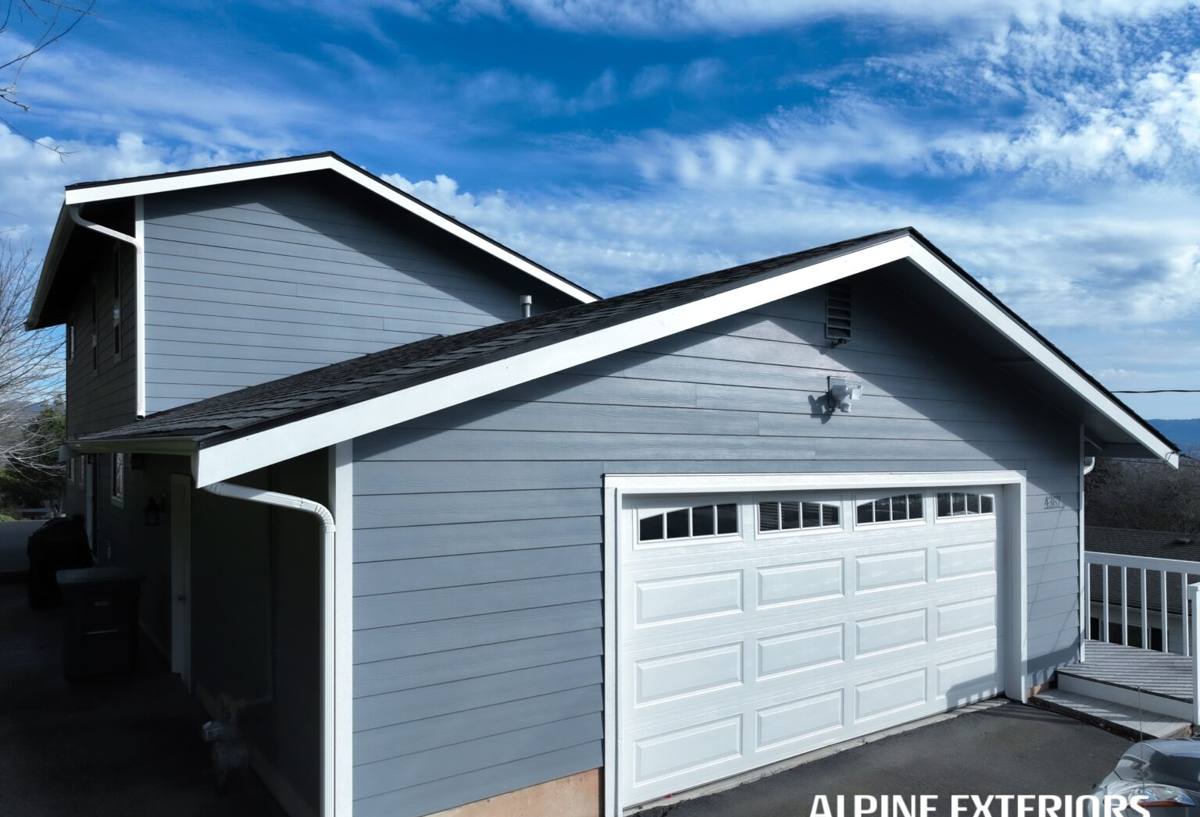
What Local Homes Actually Need From a Roof
Before talking about panels and profiles, it helps to be clear about what the climate is actually asking of a roof in this area:
- Fast water shedding — steep enough pitch and slick enough surface that rain doesn't linger
- Moss resistance — a surface that doesn't give organic growth a place to establish itself
- Wind-driven rain protection — flashing and underlayment that hold up when rain isn't falling straight down
- Long-term corrosion resistance — coatings and fasteners rated for sustained damp exposure, not just occasional rain
- Low ongoing maintenance — a roof homeowners aren't climbing on every fall to clear moss and debris
A metal roof checks most of these boxes by default, but the details of the installation — flashing work, fastener choice, underlayment, ventilation — determine whether it actually delivers on them for the next several decades or just for the first few years.
Metal Roofing Options We Install
Not every metal roofing system is built the same way, and the right choice depends on the home, the roof's pitch and complexity, and the homeowner's budget. Here's how the main options compare for a climate like this one:
| System | How It Sheds Water | Moss Resistance | Best For |
|---|---|---|---|
| Standing seam | Concealed fasteners, raised seams — very few penetration points for water to find | Excellent — smooth, slick surface with nothing for moss to anchor to | Long-term, low-maintenance roofs; homes with heavy shade or moss history |
| Exposed-fastener panel | Screws through the panel face, sealed with washers | Good, but fastener seals need periodic checking | Budget-conscious projects, outbuildings, simpler rooflines |
| Stone-coated steel | Interlocking panels with a textured, shingle-like profile | Good, though the coated texture holds slightly more debris than smooth panel | Homeowners who want a traditional shingle look with metal's durability |
For most homes in this area, we lean toward standing seam when the budget allows — the lack of exposed fasteners removes the single most common long-term failure point on a metal roof in a wet climate. But it's not the only correct answer, and we'll walk through the trade-offs honestly based on your roof and your budget rather than pushing one system across the board.
Panel Gauge and Coating
Beyond the system type, the steel gauge and coating matter just as much. Thicker gauge steel resists denting from debris and foot traffic during maintenance. The coating — typically a baked-on paint system over galvanized or Galvalume steel — is what actually fights corrosion over the years of damp exposure this area sees. We don't install bare or minimally coated panels on residential roofs here; the coating is the roof's real defense against the climate, not just the color.
What a Correct Metal Roof Installation Involves
The panels themselves get most of the attention, but the parts of a metal roof that actually determine whether it performs in a climate like Whatcom County's are mostly things you won't see once the job is done:
Underlayment
A synthetic, high-temp-rated underlayment goes down first, with extra layers or ice-and-water membrane at vulnerable spots — valleys, eaves, and around penetrations. This is the roof's backup layer, and in an area that sees this much sustained rain, it's not optional detail work; it's the difference between a leak and a dry attic when something at the surface eventually gets stressed.
Flashing
Flashing around chimneys, skylights, vent pipes, and roof-to-wall transitions is where most roof leaks actually originate, metal or otherwise. Correctly formed and properly lapped flashing — not caulk standing in for flashing — is non-negotiable on any roof we install.
Fastening and Panel Layout
Panel runs need to be laid out to minimize seams in the direction water travels, and fasteners (where used) need to be spaced and torqued correctly — overdriven screws crush washers and create leak points, while underdriven ones back out over time.
Ventilation
A roof deck without adequate intake and exhaust ventilation traps moisture underneath the metal, which can lead to condensation and deck rot even if the roof surface itself never leaks. Ventilation is part of the roofing job, not an afterthought.
Our Process From Estimate to Cleanup
- On-site assessment — we look at your existing roof deck, pitch, flashing points, and any moss or moisture damage already present
- Honest system recommendation — we walk through which metal system fits your roof and budget, and why
- Written estimate — clear scope, materials, and timeline, no vague allowances
- Tear-off and deck inspection — old roofing removed, deck checked and repaired where moisture has done damage
- Underlayment and flashing — the layers that do the real work, installed before a single panel goes on
- Panel installation — laid out and fastened to spec for the system chosen
- Final walkthrough and cleanup — magnetic sweep for stray fasteners, debris hauled off, roof reviewed with you before we consider the job done
Cost Factors for Metal Roofing in Kendall
Pricing on any roof depends on more than square footage. The main variables we account for when putting together an estimate:
| Factor | Why It Matters |
|---|---|
| Roof pitch and complexity | Steep pitches, multiple valleys, and dormers all add labor and material |
| Panel system chosen | Standing seam runs higher than exposed-fastener panel due to labor and material |
| Existing deck condition | Rot or damage found during tear-off requires repair before new roofing goes on |
| Roof access | Steep sites, mature trees, or limited staging space can affect labor time |
| Flashing and penetration count | Chimneys, skylights, and multiple vents each add detail work |
Rather than quoting a per-square-foot number that doesn't mean much until we've actually seen your roof, we prefer to walk the property and give you a number based on what's really there.
Maintenance Checklist for Metal Roofs in This Climate
Metal roofing is genuinely low-maintenance compared to shingles, but "low" doesn't mean "none" in an area with this much sustained moisture and tree cover. A short annual check goes a long way:
- Clear needles, leaves, and debris from valleys and around penetrations
- Check gutters and downspouts for clogging, especially after fall leaf drop
- Look for any developing streaks or dark patches that could signal early moss or algae growth
- Inspect flashing points around chimneys and vents for any lifting or sealant wear
- Confirm attic ventilation isn't blocked by insulation or debris
Most of this is a five-minute visual check from the ground or a ladder, not a full roof climb — one of the real advantages of metal over a moss-prone shingle roof that needs regular treatment.
Why Hire a Crew That Already Works in Kendall
A metal roof installed by a crew unfamiliar with this climate can still fail early — usually not because the panels were wrong, but because the flashing, underlayment, and ventilation decisions didn't account for how much sustained moisture this area actually sees compared to drier parts of the state. We work roofs across Whatcom County regularly, which means we're not guessing at how much water a valley needs to handle in this area or how aggressive moss growth can get under heavy tree cover — we've seen it and built around it before.
Local experience also means straightforward logistics: we know what permitting and inspection look like in this county, we're not driving in cold on travel time that gets built into your price, and we can be back quickly if something needs a follow-up look after a hard winter.
Is Metal Roofing the Right Call for Your Home?
Metal roofing isn't automatically the right answer for every house or every budget — a roof in good shape with a shingle system that still has useful life left doesn't need to be replaced early just to switch materials. But if you're facing a replacement anyway, dealing with recurring moss problems, or tired of the maintenance a shingle roof demands in this climate, metal is worth a serious look. We'll give you a straight answer either way, including if metal isn't the most cost-effective fit for your particular roof.
If you're weighing options for a roof in Kendall, we're happy to come take a look and put together a free, no-pressure estimate — just fill out the form below and we'll get in touch.