 Ferndale Exterior
 Siding Installation in Sumas: Built for Whatcom County's Wet Side
Sumas sits in the low, flat Nooksack River valley near the Canadian border, a part of Whatcom County that holds moisture differently than the coastal stretch around Ferndale. Homes here deal with long stretches of driving rain, heavy morning fog off the surrounding farmland, and a shade-and-humidity combination that keeps roofs, fences, and siding damp far longer than homeowners expect. Closer to the water in Ferndale, salt air adds its own wear to exterior materials; inland in Sumas, the bigger enemy is standing moisture and the moss it invites. Either way, siding in this region isn't cosmetic — it's the first line of defense against water intrusion, and it has to be installed correctly to earn its keep.
Ferndale Exterior Co installs James Hardie fiber cement siding exclusively. This page focuses specifically on what a correct siding installation looks like for a Sumas-area home, why the local climate changes how that job should be done, and how our process works from first estimate to finished wall.
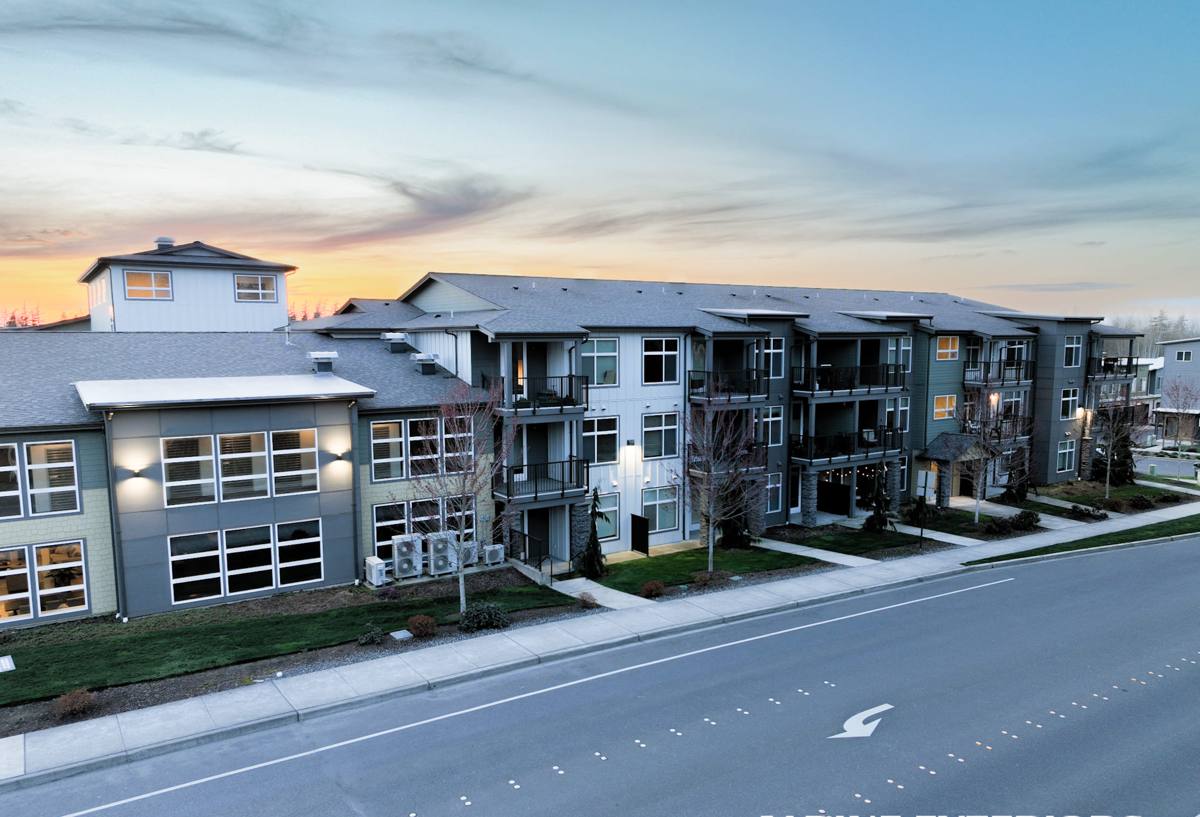
What Sumas-Area Homes Are Up Against
Driving Rain and Wind-Driven Moisture
Whatcom County storms don't just fall straight down — wind pushes rain sideways against exterior walls, especially on north- and west-facing elevations. That means siding isn't only shedding water off its face; the seams, laps, and penetrations around windows, doors, and utility fixtures are constantly being tested. A siding product and installation method that can't handle wind-driven rain will eventually let moisture behind the cladding, where it causes damage no one sees until it's expensive.
Humidity, Shade, and Moss Growth
The Sumas valley holds humidity longer than open coastal areas, particularly on shaded sides of a house or under mature tree cover. That combination of low light and persistent dampness is exactly what moss, algae, and mildew need to take hold. Once organic growth establishes on a siding surface, it holds even more moisture against the material — a cycle that accelerates deterioration on products that aren't built to resist it.
Temperature Swings Across Seasons
Whatcom County winters bring damp cold and the occasional hard freeze; summers can swing into real heat, especially away from the immediate coastline. Siding material expands and contracts with those swings. Products that aren't dimensionally stable can develop gaps, warping, or fastener issues over years of that cycle — problems that show up as cracked caulk lines, buckled panels, or open seams right where water wants to get in.
Why Siding Choice Matters More Here Than People Think
A lot of siding failures aren't really installation failures — they're material failures that installation couldn't prevent. Vinyl can warp and doesn't stop moisture from reaching the sheathing behind it. Untreated or lightly primed wood needs a maintenance schedule most homeowners can't keep up with in a climate this wet. Engineered wood products depend heavily on unbroken factory coatings and perfect field sealing to avoid moisture absorption at cut edges — and once that seal is compromised, it doesn't recover well in a valley climate like this one.
That's the reasoning behind our decision to install James Hardie fiber cement exclusively. It's a cement-and-cellulose composite that doesn't rot, doesn't feed moss and mildew the way wood fiber does, and holds its shape and finish through the kind of wet, cool-to-hot seasonal swing that Whatcom County sees every year. It isn't the only siding product on the market — but for what Sumas-area homes are exposed to, it's the one we're willing to put our name behind.
What Correct Siding Installation Involves
Water-Resistive Barrier and Flashing
Everything starts underneath the siding, not on top of it. A continuous water-resistive barrier, properly lapped and taped, combined with correct flashing at every window, door, and roofline intersection, is what actually keeps wind-driven rain from reaching the wall sheathing. Siding is the visible layer, but the barrier and flashing system behind it is what determines whether a wall stays dry over the next few decades.
Fastening and Clearances per Manufacturer Spec
James Hardie publishes specific fastening patterns, nail types, and clearance requirements — including ground clearance, roofline clearance, and gaps at butt joints — and those numbers exist for a reason. Fastening too tight, spacing panels wrong, or skipping clearance at grade are the most common ways an otherwise good product ends up trapping moisture or cracking prematurely. Installing to spec isn't optional; it's what keeps the manufacturer's warranty valid and the wall performing as designed.
Trim, Caulking, and the Factory Finish
ColorPlus factory-finished Hardie siding is baked on under controlled conditions, which is part of why it holds color and resists fading better than field-applied paint. That advantage only holds up if trim work, caulk joints, and touch-up at cut edges are done carefully — sloppy trim work or the wrong caulk can undercut a good product's performance at exactly the seams where water pressure is highest.
Our Installation Process for Sumas Homeowners
We run the same disciplined process on every Sumas-area project, adjusted for the specific exposure and shading of your lot:
- On-site assessment — we walk the exterior, check existing sheathing and moisture barrier condition, and note shaded, moss-prone, or wind-exposed elevations.
- Removal and substrate check — old siding comes off and we inspect sheathing for hidden rot or water damage before anything new goes up.
- Barrier and flashing installation — a correctly lapped water-resistive barrier and flashing at every penetration, done before a single piece of Hardie siding is hung.
- Hardie siding installation — installed to manufacturer fastening and clearance specifications, elevation by elevation.
- Trim, caulking, and final inspection — finish details are sealed and checked, then walked with the homeowner.
Comparing Siding Materials in a Whatcom County Climate
Homeowners considering siding replacement in Sumas usually compare a handful of common materials. Here's how they generally stack up against the driving rain, humidity, and moss pressure this region produces:
| Material | Moisture / Rot Resistance | Moss & Mildew Resistance | Typical Maintenance |
|---|---|---|---|
| James Hardie Fiber Cement | Excellent — cement-based, won't rot | Strong resistance, factory finish sheds growth | Occasional washing |
| Vinyl Siding | Doesn't rot itself, but doesn't stop moisture reaching sheathing | Can trap growth in laps and seams | Low, but prone to warping/cracking over time |
| Cedar / Wood Siding | Poor without consistent sealing and upkeep | Vulnerable, especially in shaded areas | High — regular staining/sealing required |
| LP SmartSide (Engineered Wood) | Good if coating stays intact; vulnerable at cut edges and seams | Moderate, depends on sealed finish | Moderate — edge sealing and coating checks needed |
This isn't a claim that other materials are unusable — plenty of homes around the country wear them fine. It's why, given what this specific climate does to a wall over twenty or thirty years, we chose to build our business around installing Hardie fiber cement correctly rather than offering several products and hoping each one holds up.
Getting Ready for a Siding Estimate
A little prep before we walk your property helps us give you a more accurate scope and estimate on the first visit:
- Note any areas of the house that stay damp, shaded, or moss-covered longer than the rest
- Point out any past leaks, soft spots, or water stains you've noticed on interior walls or ceilings near exterior walls
- Have a rough idea of your timeline — some homeowners want work done before the wet season sets in
- List any specific concerns: trim details, color preferences, or areas you want re-flashed while the wall is open
- Mention if you've had prior siding or water damage repairs done, and by whom, so we can check that work while we're there
Why a Crew That Already Works Sumas Matters
Installation quality depends on judgment calls that a manufacturer's spec sheet can't fully cover — how much clearance to leave at grade on a lot that floods slightly in winter, which elevations need extra attention to flashing because of prevailing wind direction, how local permitting and inspection work in Whatcom County. A crew that already works this area has seen how Sumas' valley conditions actually behave on real houses, not just in a manual. That local pattern recognition is part of what keeps a job from becoming a callback.
It also means straightforward logistics — material staging, scheduling around this area's wetter stretches of the year, and being reachable if a question comes up after the crew has moved to the next job.
Maintenance After Installation
One of the practical advantages of James Hardie's ColorPlus finish is how little upkeep it asks for compared to painted wood siding. In a moss-prone climate like this one, an occasional gentle wash to keep organic growth from establishing, along with a yearly visual check of caulk lines and trim, is generally enough to keep the wall performing the way it was installed. Because the finish is baked on at the factory rather than field-applied, homeowners aren't stuck on a repainting cycle just to keep water out.
If you're weighing a siding project for a Sumas-area home, we're happy to walk the property, look at what your current siding and moisture barrier are actually dealing with, and give you a straightforward, no-pressure estimate — use the form below to get started.