 Ferndale Exterior
 Siding Repair in Blaine: What Coastal Whatcom County Homes Are Up Against
Homes in the Blaine area sit close to salt water, and that changes how siding ages. Just south of the Canadian border on Semiahmoo Bay, this stretch of Whatcom County gets a steady mix of salt-laden air, wind-driven rain off the Strait, and a moss season that can run half the year in shaded, north-facing spots. Siding here doesn't fail the way it does forty miles inland. It fails at the edges first — corners, butt joints, and anywhere water can sit against wood or fiber cement without a clear way to dry out.
We work on homes throughout the Ferndale and Blaine area regularly, and the repair calls we get tend to cluster around the same few causes: caulk that gave up years before anyone noticed, trim that was never back-primed, and moss holding moisture against a wall long enough to soften what's underneath. None of that is unusual for this climate. It's just what happens when siding isn't detailed for salt air and constant damp from the start.
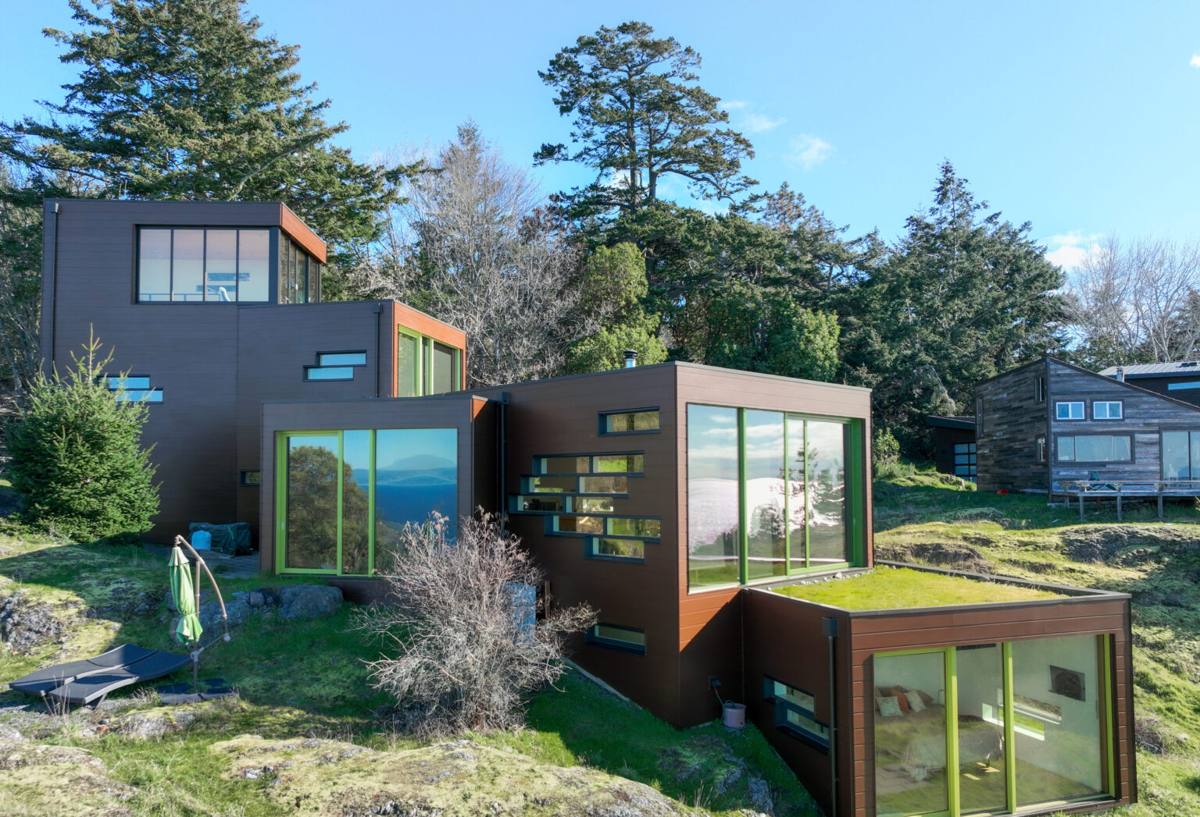
Signs Your Blaine Home Needs Siding Repair, Not Just a Patch
Some damage is obvious. A lot of it isn't, especially on a home facing the water where salt spray and driving rain hit one side harder than the rest of the house. Here's what we look for on a repair call:
- Soft or spongy spots when you press on siding near the bottom courses or around window trim
- Paint that's bubbling, peeling, or chalking unevenly in one section but not others
- Visible gaps at butt joints or corner boards where caulk has shrunk or pulled away
- Dark staining or streaking below nail heads or panel seams
- Moss or algae growth thick enough to hold moisture against the wall for days after rain
- Siding that looks fine from the ground but shows swelling or delamination up close
The tricky part is that surface paint can look mostly okay while the material underneath is already compromised. That's why a real inspection means getting close to the wall and testing suspect areas by hand, not just walking the yard and looking for obvious gaps.
Why This Matters More on Water-Facing Homes
Salt air accelerates corrosion on fasteners and metal flashing, and it also holds moisture against a wall longer than dry inland air would. A small gap that might take years to become a problem on a sheltered inland lot can become a real issue in a couple of wet seasons on an exposed Blaine property. We factor exposure direction into every estimate — a south or west wall catching prevailing wind and rain gets evaluated differently than a sheltered side.
What a Correct Siding Repair Involves (and What Gets Rushed)
A siding repair that actually holds up isn't just cutting out a bad board and nailing in a new one. Done right, it includes:
- Identifying how water got in — not just where it shows, but the actual entry point, which is often several inches away from the visible damage
- Checking the water-resistive barrier and flashing behind the siding, not just the siding itself
- Removing all compromised material, including framing or sheathing if moisture has reached it
- Letting the area dry and confirming there's no hidden rot before closing it back up
- Matching the repair material and profile so the patch doesn't stand out or create a new water trap
- Re-sealing and re-priming cut edges properly, since an unsealed edge is where the next failure starts
What gets rushed, especially with budget crews, is step two and step four. It's faster to patch over visible damage and move on. But if the barrier behind the siding is torn or the framing underneath is still wet, the same spot fails again within a season or two — and now there's more rot to deal with than the first time.
Repair vs. Replace: Cost Factors for Blaine Homeowners
Not every repair call ends in a repair. Sometimes the honest answer is that a section, or the whole elevation, has gone past the point where patching makes financial sense. Here's how we think through that decision:
| Factor | Favors Repair | Favors Replacement |
|---|---|---|
| Extent of damage | Isolated to one or two boards/panels | Spread across a wall or multiple elevations |
| Underlying structure | Sheathing and framing are dry and sound | Rot has reached framing in more than one spot |
| Age of existing siding | Siding is under 10-15 years old and otherwise sound | Siding is near or past its expected service life |
| Material match | Replacement pieces can be matched closely | Discontinued product, profile, or faded color makes matching impractical |
| Root cause | A fixable detail issue (caulk, flashing, one bad joint) | A systemic issue (wrong material for this exposure, failed water barrier) |
We'll always tell you honestly which side of that table your home falls on. A patch that's likely to fail again within a couple of years isn't a good use of your money, and we'd rather say that upfront than sell a repair we don't believe in.
Why Salt Air and Moss Season Make Material Choice Matter
When we do replace a damaged section, what we replace it with matters more here than in a drier, inland part of the state. This is one of the reasons we install James Hardie fiber cement exclusively rather than mixing in vinyl, LP SmartSide, or other wood-based products for repairs. Fiber cement doesn't absorb moisture the way engineered wood does, and it isn't vulnerable to the swelling and softening that shows up on wood-based siding after repeated wet seasons near the water. It also holds paint and factory finish better under UV and salt exposure, which matters on homes that get direct sun off the water on top of the salt air itself.
That doesn't mean fiber cement is maintenance-free — no siding is, in this climate. But it gives a repair a better chance of actually lasting, instead of becoming the same call again in three or four years.
Moss and Algae: A Year-Round Concern, Not Just a Winter One
Whatcom County's damp shoulder seasons mean moss and algae can establish on shaded siding almost any time of year, not just deep winter. Left alone, it holds moisture against the wall surface and slowly degrades caulk and paint film, which is exactly the kind of slow damage that turns into a repair call two or three years later. Keeping growth knocked back on north-facing and heavily shaded walls is one of the cheapest things a homeowner can do to avoid repair costs down the road.
Our Siding Repair Process for Blaine-Area Homes
When we come out for a repair estimate in the Blaine area, here's what that looks like:
- On-site inspection of the damaged area and the surrounding wall, including a hands-on check for soft spots beyond what's visibly damaged
- Assessment of the underlying water-resistive barrier and flashing where accessible
- A straightforward explanation of what caused the damage and whether repair or replacement is the right call
- A written estimate with the scope spelled out — what's being removed, what's being replaced, and why
- Repair work matched to the existing siding profile and properly sealed at all cut edges
- A final walkthrough so you can see exactly what was done and ask questions before we leave
We don't upsell repairs into full replacements to pad an invoice, and we don't quote a patch job on a wall that actually needs more attention. You get our honest read either way.
Why Hiring a Crew That Already Works Blaine Matters
Siding repair in a coastal Whatcom County community isn't the same trade as siding repair in a dry inland subdivision. A crew that mostly works inland may not think to check for salt-accelerated fastener corrosion, may under-detail flashing for wind-driven rain, or may not recognize how fast moss reestablishes on a shaded, damp wall here. We work this area regularly, which means we've already seen how these houses fail and what actually holds up against it — not in theory, but from doing the work here season after season.
That local familiarity also means a faster, more accurate estimate. We're not guessing at how your home's exposure to salt air and rain will affect a repair — we've seen the pattern before on homes nearby.
Between-Repair Maintenance: What Actually Extends Siding Life Here
A few habits make a real difference in how long a repair — or your whole siding system — lasts in this climate:
- Rinse salt residue off siding facing the water a few times a year, especially after storms
- Keep gutters clear so overflow doesn't run down and pool against siding at the base
- Trim back vegetation and branches that keep a wall shaded and damp longer than it needs to be
- Gently remove moss and algae buildup before it thickens, rather than letting it accumulate over a full season
- Re-caulk trim joints and penetrations (vents, hose bibs, light fixtures) every few years rather than waiting for a visible gap
- Walk the exterior once or twice a year and press-test any spot that looks discolored or swollen
None of this replaces a professional inspection, but it's the difference between catching a problem while it's still a caulk job and finding it after it's become a rot repair.
Get a Straightforward Look at Your Siding
If you're seeing soft spots, gaps, staining, or heavy moss on a Blaine-area home, it's worth getting a second set of eyes on it before another wet season passes. We'll give you a clear, honest assessment of what's actually going on and what it would take to fix it properly — no pressure, no upsell. Reach out using the form below for a free estimate.