 Ferndale Exterior
 Window Replacement in Sudden Valley: Built for the Climate You Actually Live In
Homes in and around Sudden Valley deal with a specific combination of weather that most window manufacturers design for on paper but rarely account for in the real world: salt-laden air moving in off the water, long stretches of driving rain, and a moss and mildew season that can run most of the year in shaded, north-facing exposures. Windows here don't fail because they're old. They fail because the seals, flashing, and frame materials weren't matched to this environment in the first place, or because the installation missed a step that only shows up two or three winters later.
This page is about one thing only: replacing windows correctly for Sudden Valley homes, from what the climate does to a window over time, to what a proper installation actually requires, to what you should expect from a crew that says they'll do the job right.
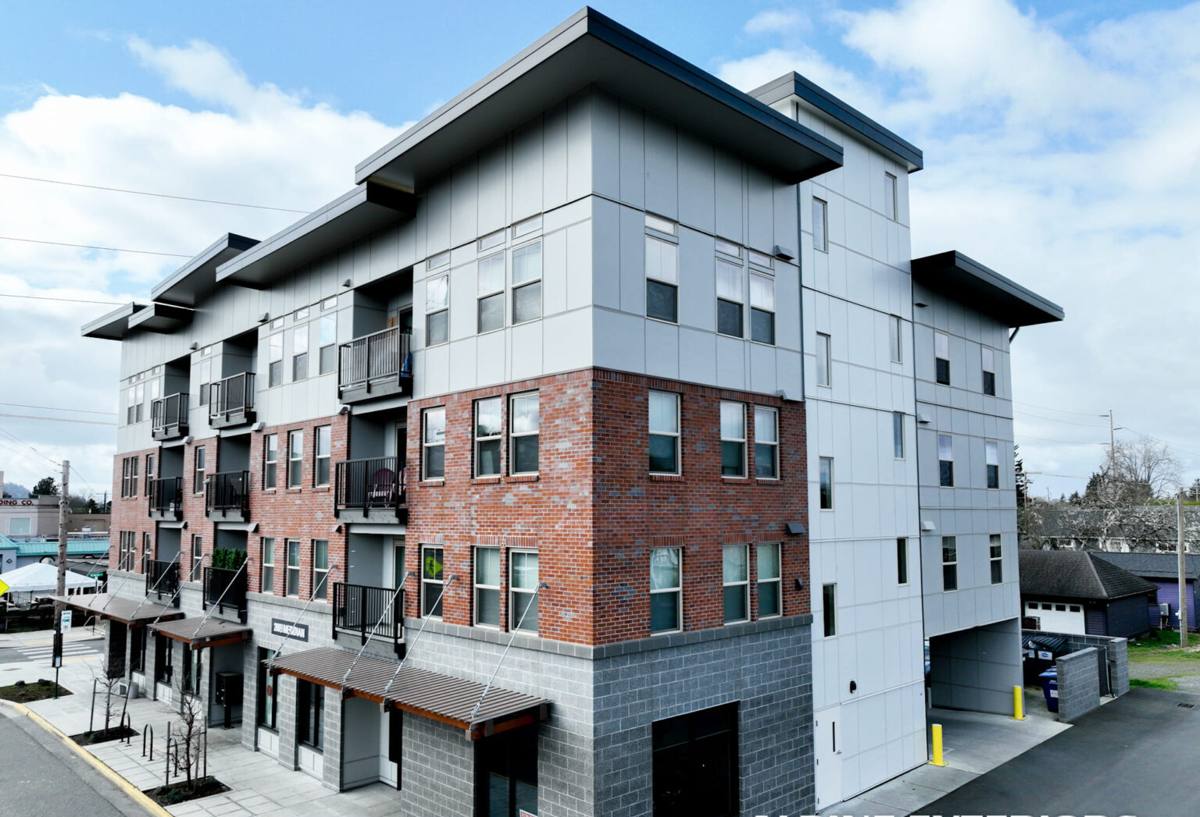
What Whatcom County Weather Does to Windows Over Time
Salt Air
Coastal and near-coastal air in Whatcom County carries salt that settles on and around window components. Over years, that salt exposure accelerates corrosion on hardware, hinges, and lower-grade aluminum components, and it breaks down certain sealants faster than manufacturers' standard testing predicts. It's slow and unglamorous damage — you don't notice it until a window won't latch cleanly or a frame starts pitting.
Driving Rain
Wind-driven rain doesn't just hit a window, it gets pushed sideways and upward into any gap in the flashing or sealant. A window that would stay perfectly dry in calm rainfall can leak in this region if the flashing details weren't done correctly, even if the window itself is a good product. This is one of the most common causes of "mystery" leaks around window replacements done by out-of-area crews unfamiliar with local wind patterns.
Moss and Sustained Moisture
Long moss seasons mean prolonged dampness against siding and trim, especially on shaded elevations. Wood trim and sills that sit in that moisture without a break dry out slowly, which invites rot at the very point where a window meets the wall. A window replacement that doesn't address the condition of the surrounding trim and sill is treating half the problem.
Signs a Sudden Valley Home May Need Window Replacement, Not Just Repair
- Visible fogging or a haze between panes — the seal has failed and the insulating gas is gone
- Soft, spongy, or discolored wood trim or sill around the window frame
- Drafts you can feel with a hand near the frame on a windy day, even with the window latched
- Difficulty opening, closing, or latching that isn't solved by cleaning the track
- Visible corrosion or pitting on hardware, hinges, or aluminum frame components
- Moss or persistent green staining building up on the sill or lower frame
- Noticeably higher heating bills without another clear explanation
- Condensation forming on the inside of the glass regularly during cold months
What a Correct Window Replacement Actually Involves
A window replacement is not just swapping one unit for another and caulking the edges. Done right, especially in this climate, it includes several steps that are easy to skip and hard to notice were skipped until a problem shows up later.
Removal and Inspection
Old windows come out carefully so the surrounding framing, sheathing, and sill can be inspected for hidden rot or moisture damage before anything new goes in. If there's damage back there, it needs to be addressed now, not covered up.
Flashing and Water Management
Proper flashing is layered so water is directed out and away from the wall assembly, with particular attention to the head flashing above the window, which is doing most of the work against driving rain. This is the single step most responsible for whether a window leaks five years from now.
Sealing and Insulation
The gap between the new window and the framing gets sealed and insulated correctly — not overfilled with expanding foam, which can bow a frame, and not left with gaps that create a draft and a cold spot.
Trim and Finish
Exterior trim gets reinstalled or replaced with attention to how it sheds water, and interior trim is finished cleanly. If the old trim showed moisture damage, this is the point where it should be corrected rather than reused.
Choosing the Right Window for This Environment
There's no single "best" window for every home, but some choices hold up better than others given the salt air, rain, and moss exposure common in this area.
| Frame Material | How It Handles This Climate | Trade-Offs |
|---|---|---|
| Vinyl | Good resistance to salt corrosion and moisture; no repainting | Lower-end vinyl can warp or discolor over many years in direct sun exposure |
| Fiberglass | Very stable in temperature swings and moisture, holds paint well if desired | Higher upfront cost than vinyl |
| Wood (clad exterior) | Warm interior appearance with an exterior surface that resists the weather | Requires attention to the cladding seal; raw exterior wood is a poor fit for this climate |
| Aluminum | Strong and slim sightlines | More prone to corrosion from salt air and generally less efficient thermally unless thermally broken |
We generally steer homeowners away from bare aluminum frames and unclad exterior wood in this specific area, not because they're bad products in general, but because they demand more maintenance to hold up against salt air and sustained moisture than most homeowners want to keep up with. That's a maintenance-burden call, not a knock on the material itself.
Glass Packages
Double-pane, low-E glass is the standard baseline for this region's temperature range. Triple-pane can be worth discussing for north-facing rooms or homes closer to open water where wind load and heat loss are both higher, but it's not automatically the right call for every window on every wall — we'll walk through where it actually pays off on your home specifically.
Our Process, Start to Finish
- On-site assessment — we look at each window, the surrounding trim, and any signs of moisture or rot before recommending anything
- Honest scope — you get a clear picture of what's failing, what's cosmetic, and what actually needs replacement versus repair
- Product selection — we walk through frame and glass options suited to your home's exposure, not a one-size-fits-all pitch
- Installation — proper removal, flashing, sealing, and finish work, with attention to the details that matter in driving rain
- Final walkthrough — every window operates smoothly and the surrounding trim and finish meet our standard before we call it done
Why Hiring a Crew That Already Works in Sudden Valley Matters
A crew that regularly works in this part of Whatcom County has already seen what salt air does to hardware over a decade, knows which flashing details actually hold up against wind-driven rain in this specific area, and recognizes moss-related sill damage before it's hidden behind new trim. That's not a marketing point — it changes real decisions on the job, like where to add an extra layer of protection or which trim details need extra attention on a shaded side of the house. A crew unfamiliar with the area is more likely to install a window correctly by the book and still have it underperform against conditions the book didn't account for.
Cost Factors to Expect
Costs vary based on the specifics of your home, but the main factors that move the price are consistent from job to job.
| Factor | Why It Affects Cost |
|---|---|
| Number of windows | More units means more labor and material, though per-window pricing often improves with volume |
| Frame material and glass package | Vinyl, fiberglass, and clad-wood options carry different material costs; triple-pane adds cost over double-pane |
| Condition of existing framing and trim | Hidden rot or moisture damage found during removal adds repair scope beyond the window itself |
| Window size and type | Larger units, custom shapes, or operable styles like casements typically cost more than standard sliders or single-hungs |
| Access and site conditions | Upper-story windows or difficult access can add labor time |
We'll always give you a written, itemized estimate rather than a single lump number, so you can see exactly what you're paying for and where.
Ready for an Honest Look at Your Windows?
If your Sudden Valley home has windows that are drafty, fogged, hard to operate, or showing wear from the salt air and rain this area gets, we're happy to take a look. There's no pressure and no obligation — just a straightforward assessment and a clear estimate so you can decide what makes sense for your home and your budget. Use the form below to request your free estimate.