 Ferndale Exterior
 Deck Repair Built for the Fairhaven Area's Weather, Not a Generic Climate
If you own a deck in the Fairhaven area near Ferndale, you already know it doesn't age the way a deck would in a drier, inland part of the country. Whatcom County sits close to the water, which means salt-laden air, long stretches of driving rain, and a moss season that can run from fall clear through spring. None of that is a design flaw in your deck — it's just what coastal Pacific Northwest weather does to wood, fasteners, and finishes over time. The decks that hold up longest here aren't the ones that avoided weather exposure; they're the ones that were built and repaired with that exposure in mind from the start.
A deck repair company that mostly works inland neighborhoods, or one that treats every deck the same regardless of location, tends to miss the specific failure patterns that show up on homes exposed to salt air and near-constant moisture. We work on decks in this area regularly, and the repairs we do reflect what actually fails here — not a generic checklist.
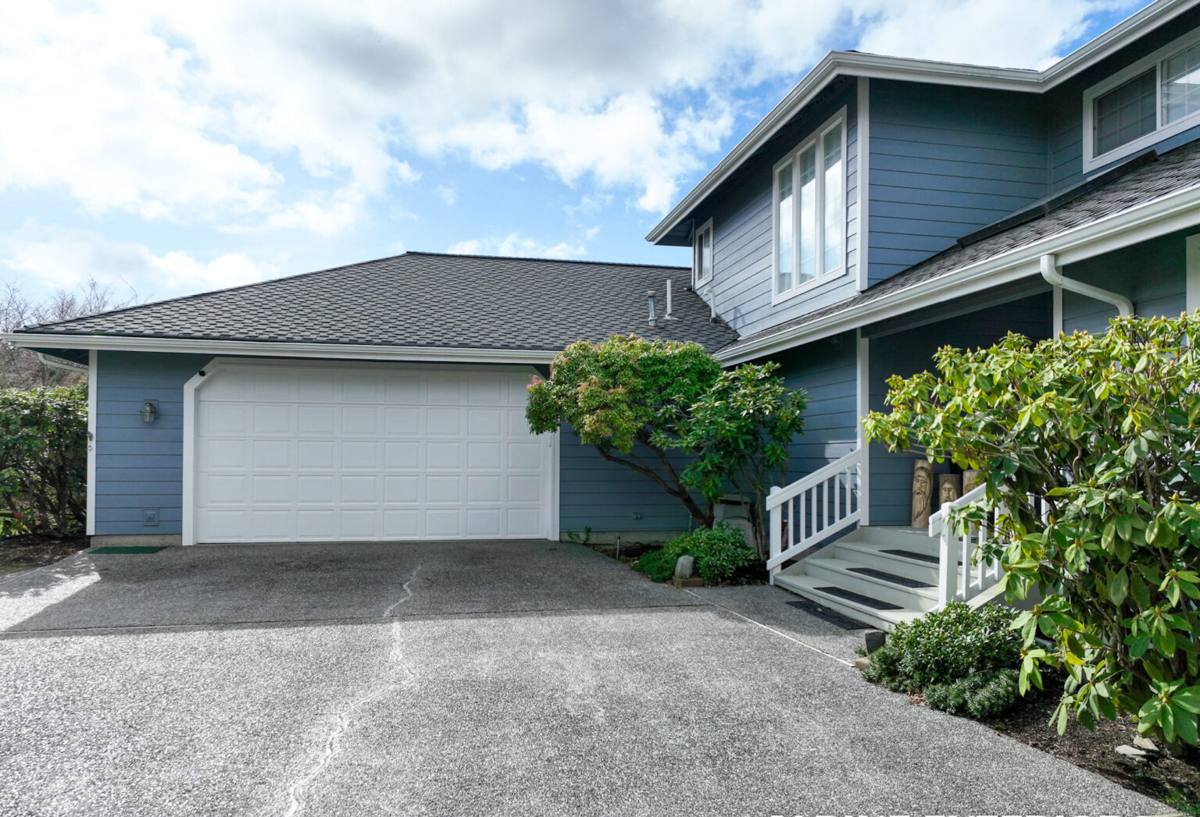
Why Fairhaven-Area Decks Take a Different Kind of Beating
Salt Air and Metal Fasteners
Airborne salt accelerates corrosion in nails, screws, joist hangers, and bolts — even ones rated for exterior use. Once a fastener starts to corrode, it loses holding strength long before the surrounding wood shows any obvious damage. This is one of the most common hidden problems we find: a deck that looks structurally fine from above but has weakened connections underneath.
Driving Rain and Water Intrusion
Rain that comes in sideways, rather than straight down, gets pushed into places a deck wasn't necessarily designed to shed water from — under railings, around post bases, and at the ledger board where the deck attaches to the house. Repeated wetting and drying cycles in those spots are what eventually cause rot, even on decks that are only a handful of years old.
Moss, Algae, and a Long Wet Season
A moss season that stretches across most of the year means organic growth has more time to establish itself on deck boards, especially in shaded areas or spots that don't get much direct sun or airflow. Moss and algae hold moisture against the wood surface, which softens fibers over time and makes boards more slippery and more prone to decay.
What a Thorough Deck Inspection Actually Checks
A proper deck repair starts with an inspection that goes beyond a visual walk-around. Problems that matter most are often the ones you can't see from the top of the deck.
Structural Points We Check First
- Ledger board attachment to the house, including flashing and any signs of moisture behind it
- Post bases and footings, checking for rot, movement, or standing water contact
- Joist condition, especially where joists meet beams or the ledger
- Fastener and connector corrosion, including joist hangers, structural screws, and bolts
- Railing and guardrail post connections, since these take direct lateral stress
- Stair stringers and stair connections, a common weak point on multi-level decks
Surface-Level Issues We Also Document
Soft or spongy decking boards, splitting or cupping, moss and algae coverage, and finish or sealant breakdown all get noted, even when they're cosmetic rather than structural — because surface problems left alone eventually become structural ones.
Repair or Replace? How We Actually Decide
Not every deck problem calls for a full rebuild, and not every deck can be safely patched. The honest answer depends on what's actually failing and where.
| Factor | Repair Usually Makes Sense | Replacement Usually Makes Sense |
|---|---|---|
| Framing (joists, beams, posts) | Isolated rot or damage in one or two members | Widespread rot across multiple framing members |
| Ledger board | Flashing failure caught early, wood still sound | Rot has spread into the house rim joist |
| Decking boards | Scattered soft or cracked boards | Most boards show cupping, splitting, or rot |
| Fasteners/hardware | Corrosion limited to a few connectors | Corrosion is widespread across the structure |
| Railings | Loose posts, worn balusters | Post connections have rotted at the base |
| Overall age | Under 15 years, built to code at the time | Older deck with outdated or undersized framing |
We'll walk you through exactly what we find and why we're recommending repair over replacement (or vice versa) — including showing you the specific boards, connections, or framing members in question, not just telling you to trust us.
Our Deck Repair Process
1. Inspection and Written Scope
We identify every issue, structural and cosmetic, and put together a clear scope of work so you know exactly what's being repaired and why before any work starts.
2. Structural Repairs First
Framing, ledger, post base, and connector repairs happen before any surface work. There's no point replacing decking boards over a joist that's still compromised.
3. Surface and Finish Work
Damaged decking boards, railings, and stair components get replaced or repaired to match the existing deck as closely as possible. Where a full color or material match isn't realistic, we'll tell you that upfront rather than let you find out after the fact.
4. Hardware Upgrades Where It Matters
When we open up a section of deck and find corroded fasteners, we replace them with hardware rated for the kind of exposure this area sees, rather than reusing degraded connectors just because the wood around them is fine.
5. Final Walkthrough
We go over the completed repair with you, point out anything worth keeping an eye on going forward, and answer any questions about maintenance.
Materials and Hardware: What We Use and Why
Material choice matters more on a deck exposed to salt air and heavy rain than it does in drier inland settings, because the margin for error is smaller.
Fasteners and Connectors
We use corrosion-resistant structural screws and connectors appropriate for exterior, high-moisture exposure rather than standard-grade hardware. This is a small line-item cost difference but a meaningful difference in how long a repair lasts.
Wood vs. Composite Decking
Pressure-treated lumber remains a solid, cost-effective choice for framing and is common for decking boards as well. Composite decking costs more upfront but resists moisture absorption and doesn't need refinishing, which can be worth it for boards that see heavy shade or limited airflow. Neither material is automatically "better" — the right call depends on your budget, how much maintenance you want to do, and which parts of the deck are being repaired versus which are staying as-is.
Flashing and Waterproofing at the Ledger
Where the deck meets the house, proper flashing is what keeps water from working its way behind the siding and into the rim joist. This is one of the most consequential — and most commonly overlooked — details in any deck repair, and it's one we always check regardless of what the original complaint was.
Keeping Moss and Water Damage from Coming Back
A repair only lasts as long as the maintenance that follows it. A few habits make a real difference in a climate like this one.
- Sweep debris and standing water off the deck surface regularly, especially in fall and winter
- Clean moss and algae off boards before it has a chance to soften the wood underneath
- Check that gaps between boards aren't clogged, since trapped debris holds moisture against the wood
- Reseal or refinish wood decking on the schedule recommended for the product, not just when it looks worn
- Walk the deck periodically and note any new soft spots, movement in railings, or gaps around post bases
- Keep gutters and downspouts near the deck clear so runoff isn't draining directly onto or under it
None of this requires special equipment or a lot of time, but skipping it is how a five-year-old deck ends up needing the kind of repair a fifteen-year-old deck should need.
Permits, Code, and Safety on Deck Repairs
Depending on the scope of the repair, structural work — particularly on ledger attachments, framing, or railings — may require a permit and needs to meet current guardrail height and spacing requirements, even if the original deck was built under older rules. We factor this into the scope of work upfront so there are no surprises partway through the job, and we handle the permitting conversation as part of the process rather than leaving it for you to sort out.
Why It Matters That We Already Work in the Fairhaven Area
A deck repair done by a crew that regularly works in and around Ferndale and the Fairhaven area isn't guessing at what causes local decks to fail — we've seen the same ledger flashing issues, the same corroded hardware, and the same moss buildup patterns on enough decks in this area to know what to check first. That familiarity translates into a more accurate inspection, a repair scope that addresses the actual problem instead of just the symptom, and materials chosen with this specific climate in mind rather than a one-size-fits-all approach.
It also means we're a known, reachable local business if a question comes up after the work is done — not a crew that drove in from elsewhere for one job.
Get a Free, No-Pressure Estimate
If your deck has soft spots, loose railings, visible moss, or you just want an honest read on its condition, we're happy to take a look. Use the form below to request a free estimate — no obligation, no pressure, just a straight answer about what your deck needs.