 Ferndale Exterior
 Roofing on Lummi Island Is Its Own Job
Lummi Island sits out in the marine air of Whatcom County, and that changes what a roof has to put up with compared to a house a few miles inland. Salt-laden air moves off the water and settles on every exposed surface, driving rain comes in sideways during winter storms, and heavy tree cover on much of the island keeps roofs shaded and damp for long stretches of the year. None of that is unique to any one house on the island — it's the baseline every roof out there is working against, year after year.
A roof repair here isn't just patching a leak and moving on. It's understanding why that spot failed in the first place, because on an island with this kind of exposure, the same conditions that caused the first leak will find the next weak point if the repair doesn't account for them.
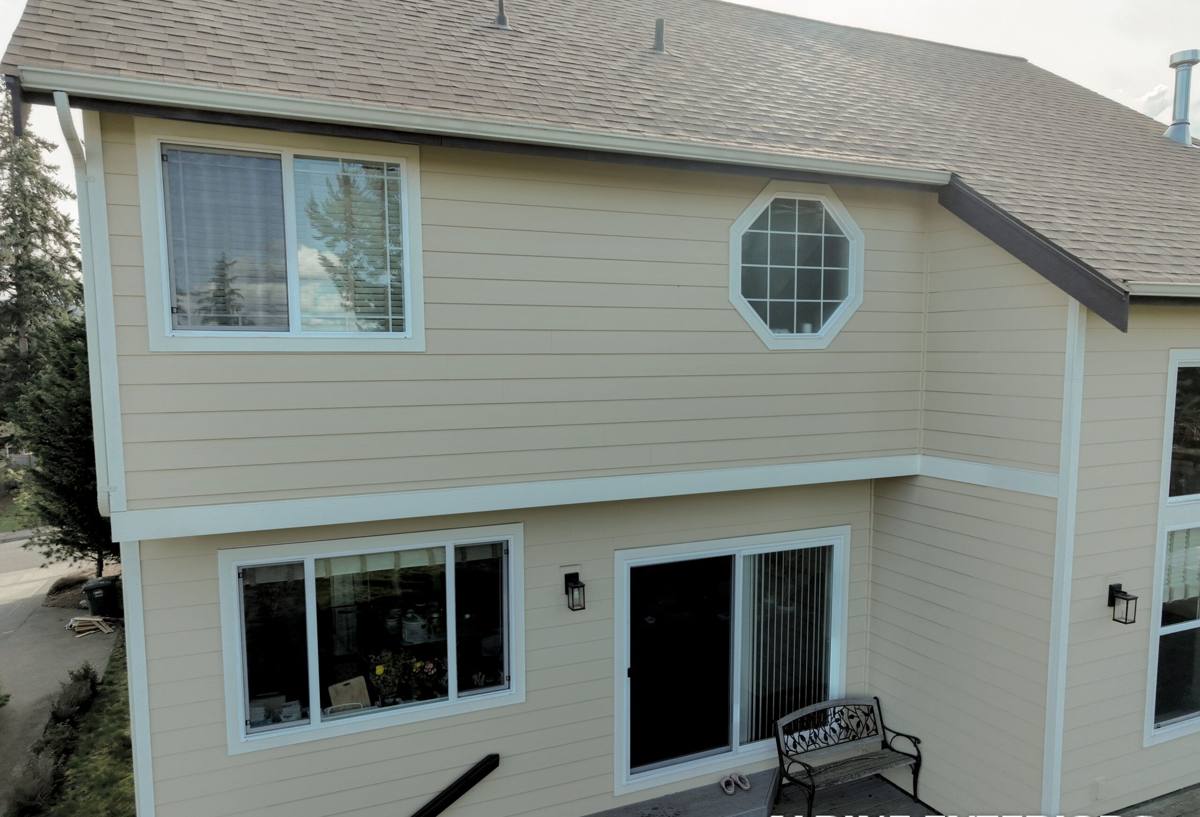
What Salt Air, Rain, and Moss Actually Do to a Roof
Salt Air and Metal Fatigue
Airborne salt accelerates corrosion on any exposed metal — flashing, fasteners, vent caps, gutter hardware. A fastener or flashing piece that would hold up for decades a few miles inland can start showing rust and pitting years earlier out here. Once a fastener corrodes, it loses its grip, and that's often where a small leak starts.
Driving Rain and Wind-Driven Water
Storms coming off the water don't just fall straight down — they push rain sideways and up under shingle edges, ridge caps, and flashing laps that were never designed to shed water moving in that direction. A roof that would stay dry in a calm, straight-down rain can leak during a wind-driven storm if the details weren't built for it.
Moss and Shade
Heavy tree cover keeps many island roofs shaded and slow to dry after every rain. That moisture retention is exactly what moss needs to take hold. Moss doesn't just sit on top of shingles — it holds water against the roofing material, works its way under shingle edges as it grows, and can lift tabs enough to let wind-driven rain get underneath.
Common Repair Calls We See on Lummi Island
- Moss-related leaks — moss growth has lifted or separated shingle edges, letting water track underneath, often on north-facing or tree-shaded slopes.
- Corroded flashing and fasteners — rust has weakened metal around chimneys, vents, valleys, or roof-to-wall transitions, opening small gaps.
- Wind-driven rain intrusion — water pushed under ridge caps, ridge vents, or shingle laps during storms, showing up as staining or damp spots well away from the actual entry point.
- Gutter and edge damage — salt-accelerated wear on gutter hangers and drip edge, leading to water running behind fascia instead of off the roof.
- Granule loss and premature wear — shingles that have shed protective granules faster than expected due to constant damp exposure, leaving the underlying mat vulnerable to UV and moisture.
What a Correct Repair Actually Involves
A repair that just covers the visible symptom tends to fail again within a season or two out here. A repair built to actually hold has a few non-negotiable steps:
- Find the real entry point. Water often travels along the underlayment or decking before it shows up as a stain inside, so the visible damage and the actual leak source are frequently in different spots. That means opening up the area, not just caulking where the stain appears.
- Check the decking underneath. If water has been getting in for a while, the plywood or sheathing below may be soft or delaminating. Patching over compromised decking just hides the problem until it fails further.
- Match materials to the exposure, not just the color. Flashing and fasteners that go back in should be corrosion-resistant grades suited to a marine environment — not whatever happens to match the existing roof cosmetically.
- Rebuild the water path, not just the patch. Flashing laps, shingle courses, and ridge details need to shed water in the direction it's actually moving during a wind-driven storm, which sometimes means redoing more than just the immediate damaged spot.
- Clean off moss and treat the cause, not just the growth. Removing moss without addressing the shade and moisture that let it grow back just buys a year or two before the same repair is needed again.
Repair or Replace? What Actually Drives That Decision
Not every leak means a new roof, and not every roof with moss needs full replacement. The honest answer depends on a handful of factors:
| Factor | Leans toward repair | Leans toward replacement |
|---|---|---|
| Decking condition | Solid, dry sheathing under the damaged area | Soft, delaminated, or rotted decking in multiple spots |
| Extent of damage | Isolated to one flashing detail or section | Spread across multiple slopes or repeated past repairs |
| Roof age | Well within expected service life | Near or past the material's typical lifespan |
| Granule loss / wear | Localized, surrounding shingles still sound | Widespread thinning across most of the roof |
| Moss history | First occurrence, caught early | Chronic regrowth despite prior cleaning |
An honest assessment tells you which column your roof actually falls in, rather than defaulting to the more expensive answer.
How We Handle Lummi Island Jobs From Ferndale
Planning Around Ferry Access
Getting a crew, tools, and materials to an island job means the work has to be planned as a trip, not just a job. We scope the repair, confirm the material list, and load everything needed before heading over, so the crew isn't making a return run mid-repair for something that got missed. That planning matters more here than it would for a job a few blocks from the shop.
On-Site Assessment First
Before any repair work starts, we get eyes on the actual roof — checking the decking, the flashing, the shingle condition, and how water is actually moving during a storm versus where it's showing up inside. That assessment is what separates a repair that lasts from one that's really just a patch.
Doing the Job Right the First Trip
Because a follow-up visit isn't as simple as driving back down the street, we build in enough time and bring enough material to handle what we find once the roof is opened up — not just the original complaint. If something beyond the original scope turns up, we explain it plainly and get sign-off before proceeding.
Cleanup and Walkthrough
Every repair wraps up with a walkthrough of what was found, what was fixed, and what to keep an eye on going forward — including any areas that are trending toward future issues so there are no surprises later.
Maintenance That Actually Helps Island Roofs Last
Most of what shortens a roof's life out here is preventable with a little routine attention:
- Have moss removed before it spreads across a slope, not after it's already lifted shingle edges.
- Keep overhanging branches trimmed back to cut down on shade and debris buildup that keep the roof damp.
- Clear gutters and downspouts regularly so water isn't backing up under the roof edge.
- Have flashing and fasteners checked periodically for corrosion, especially around chimneys, vents, and valleys.
- Get a professional look at the roof after any major windstorm, even if nothing is leaking yet — wind-driven rain damage doesn't always show up right away.
Why Local Experience on the Island Matters
A crew that hasn't worked island jobs before tends to underestimate the logistics — the trip planning, the material staging, the extra time a straightforward-looking repair can take once ferry schedules and travel are part of the equation. A crew that already works Lummi Island regularly has that built into how the job gets quoted and scheduled from the start, instead of it turning into delays or surprise costs partway through.
There's also a familiarity that builds up with repeated work in the same salt-air, high-moss environment — recognizing early-stage flashing corrosion, knowing which roof details tend to fail first under wind-driven rain, and not treating every repair like a generic mainland job. That's the difference between a repair that's built for the conditions and one that just happens to be on an island.
Serving Ferndale and the Surrounding Whatcom County Coastline
Lummi Island is one part of a broader service area that includes Ferndale and the surrounding Whatcom County coastline, all of which deal with the same core challenges — salt air, driving rain, and a moss season that runs longer here than in drier parts of the state. Working across that whole area keeps us familiar with how these conditions show up differently from one property to the next, whether it's heavy tree cover on one lot or wide-open wind exposure on another.
If you're dealing with a leak, moss buildup, or storm damage on a Lummi Island roof, we're happy to take a look and give you a straight answer on what it actually needs. Fill out the form below for a free, no-pressure estimate.