 Ferndale Exterior
 Roofing on the Water Takes a Different Approach
Homes out on the Lummi Nation peninsula live with a different set of conditions than houses a few miles inland in Ferndale. Being this close to open water means more salt in the air, more wind-driven rain hitting the roof sideways instead of straight down, and a moss season that can run most of the year in shaded, north-facing sections. A roof that would hold up fine in a drier, more sheltered part of Whatcom County can wear out early here if it wasn't built with these specific conditions in mind.
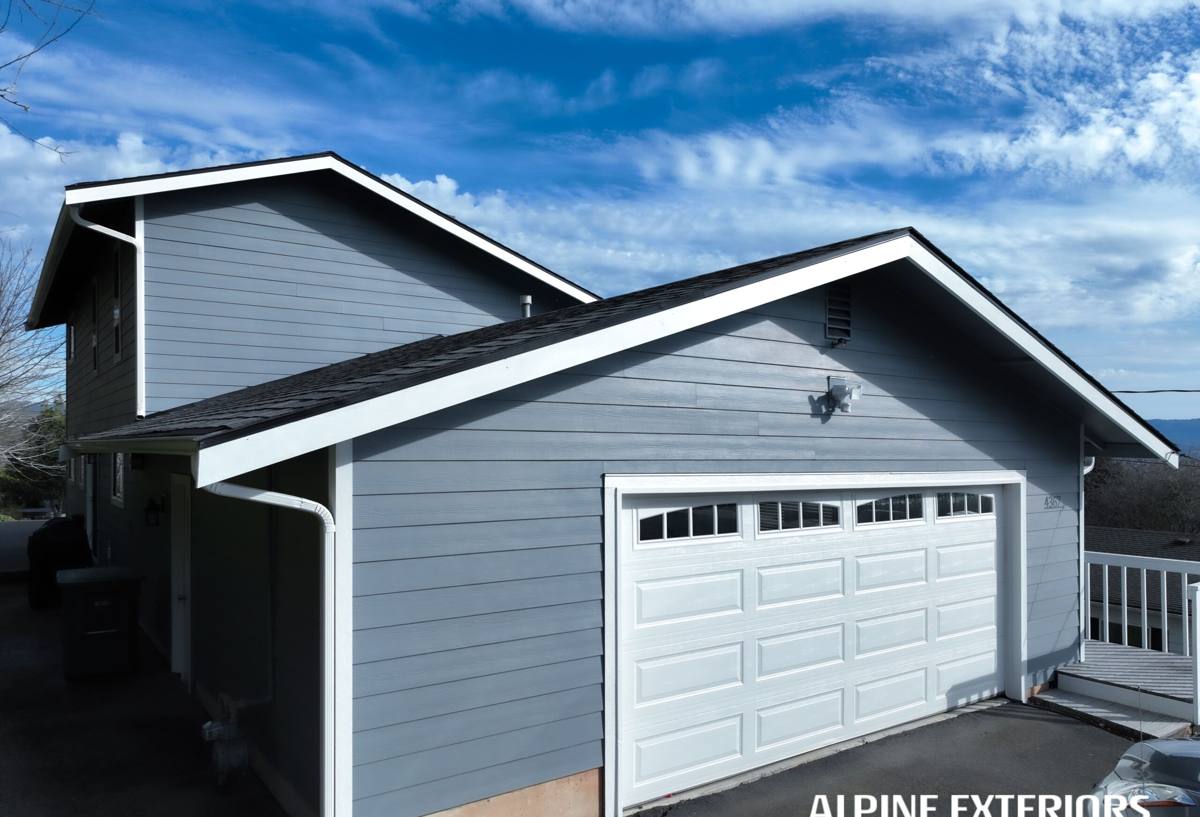
This page is about one job: putting a correct, full new roof on a home in the Lummi Nation area. Not a patch, not a repair — a full installation done in a way that accounts for salt exposure, wind, and moisture from day one.
What the Marine Climate Actually Does to a Roof Here
Salt air and metal components
Salt-laden air speeds up corrosion on anything metal — fasteners, flashing, drip edge, vent stacks, and exposed metal roofing panels. Standard fasteners and lower-grade flashing can start showing rust and pitting years before they would inland. This is a material selection issue, not a workmanship shortcut people usually notice until it's too late.
Wind-driven rain
Storms coming off the water don't just drop rain straight down — they push it sideways and up under shingle edges, ridge caps, and flashing laps. A roof system built for calmer inland conditions can rely on gravity and basic overlap to keep water out. A roof exposed to driving rain off the water needs sealed laps, proper fastening patterns, and underlayment that's rated to handle wind-blown moisture, not just runoff.
The long moss season
Shade, moisture, and moderate temperatures are exactly what moss wants, and this area has all three for much of the year. Moss holds moisture against the roof surface, works its way under shingle tabs, and can lift materials over time. A roof designed with moss in mind — right materials, right slope handling, and a maintenance plan — lasts noticeably longer than one that wasn't.
Signs a Roof Needs Full Replacement, Not Another Repair
Homeowners often ask us to look at a roof expecting a patch, and the honest answer is that it's past that point. Here's what tells us a full replacement is the right call rather than another repair:
- Granule loss heavy enough that you're finding grit in gutters and downspouts regularly
- Shingles that are curling, cupping, or cracking across multiple areas of the roof, not just one spot
- Soft spots or sagging in the roof deck when walked on
- Daylight visible through the attic in more than one location
- Moss growth that's returned repeatedly despite cleaning, especially on north-facing slopes
- Flashing around chimneys, vents, or valleys that's rusted, lifted, or missing sealant
- A roof that's already had two or more repairs in the last few years
- Interior water stains on ceilings or upper walls after wind-driven storms
One or two of these might still be repairable. Several at once usually means the underlying materials are at the end of their service life and a repair would just be a short-term fix on a roof that's already failing.
What a Correct Installation Actually Involves
Tear-off and deck inspection
We remove the old roofing down to the deck rather than layering over it. This lets us check the plywood or OSB underneath for soft spots, water staining, or rot — especially common around older flashing points and valleys where water has been getting in slowly for years. Any damaged decking gets replaced before anything new goes down; installing a new roof over a compromised deck just hides a problem instead of fixing it.
Underlayment and water protection
Given the wind and rain exposure here, we pay close attention to underlayment choice and placement — synthetic underlayment for overall water resistance, with self-adhering ice-and-water membrane at the eaves, valleys, and around any roof penetrations where wind-driven rain is most likely to find a way in.
Flashing details
Flashing is where most roof leaks actually start, not in the open field of shingles. We use corrosion-resistant flashing at chimneys, walls, skylights, and valleys, and take the time to lap and seal it correctly rather than relying on caulk to cover a shortcut.
Ventilation
Proper intake and exhaust ventilation keeps the attic temperature and moisture level in check, which matters for both shingle lifespan and moss prevention. A roof that traps warm, moist air underneath is a roof that grows moss faster and ages shingles from the inside out.
Material selection
We help homeowners choose materials rated for coastal exposure — the right shingle class, corrosion-resistant fasteners and flashing, and, where it makes sense, metal roofing systems with appropriate coatings for salt air.
Comparing Roofing Materials for a Home Near the Water
There's no single "best" material for every home — it depends on budget, roof style, and how much maintenance the homeowner wants to keep up with. Here's an honest comparison for homes dealing with salt air, wind, and moss:
| Material | Salt/Wind Resistance | Moss Resistance | Typical Lifespan | Relative Cost |
|---|---|---|---|---|
| Standard asphalt shingle | Fair — depends on fastener/flashing quality | Moderate — needs regular cleaning | 15-20 years in this climate | Lowest |
| Architectural/laminate shingle | Good with proper flashing | Moderate to good | 20-30 years | Moderate |
| Metal roofing (coated) | Very good with marine-grade coatings | Good — sheds moisture, less moss anchoring | 40-50+ years | Higher upfront |
| Synthetic/composite shingle | Good — resists corrosion and moisture | Good | 30-50 years | Moderate to higher |
We don't push any single product on every roof. The right choice depends on the home's slope, exposure to wind, and how the homeowner wants to balance upfront cost against long-term maintenance.
How Our Installation Process Works
- On-site inspection and estimate — we walk the roof and attic, note existing damage, and give a clear written estimate with no pressure to sign anything on the spot.
- Material selection — we go over the trade-offs between shingle, metal, and composite options based on your home's exposure and budget.
- Permitting — we handle the permitting process required for your specific property before work begins.
- Tear-off and deck repair — old roofing comes off, the deck is inspected, and any damaged sections are replaced.
- Underlayment and flashing installation — water protection goes down first, with extra attention at eaves, valleys, and penetrations.
- Roofing material installation — installed to manufacturer specifications with fastening patterns suited to wind exposure.
- Ventilation check — intake and exhaust ventilation confirmed or upgraded as needed.
- Final walkthrough — we review the completed roof with you and answer any questions before calling the job done.
Permitting and Site Access Considerations
Roofing projects in this area sometimes involve permitting requirements that differ from a typical in-town Ferndale job, depending on the specific property and its jurisdiction. We sort out which permitting process applies before scheduling work, so there are no surprises or delays once the crew is on-site. We also plan around site access, driveway width, and material staging ahead of time — small logistics that make a difference on a job site that isn't a standard suburban lot.
Why Hiring a Crew That Already Works This Area Matters
A roofing crew that mostly works inland, drier neighborhoods may not think twice about fastener grade, flashing metal, or underlayment class — because in that environment, it usually doesn't matter as much. Out here, those choices are the difference between a roof that holds up for its full expected life and one that needs attention again in five or six years. Working regularly on homes exposed to salt air and driving rain means we default to the right materials and details without having to be asked, and we've seen firsthand which shortcuts cause problems in this specific climate.
It also means fewer surprises during the job itself — we know what condition to expect under old roofing on a coastal-exposed home, what flashing problems tend to show up, and how to sequence work around Whatcom County's weather patterns so materials aren't sitting exposed during a stretch of driving rain.
Get a Straight Answer About Your Roof
If your roof is showing signs of wear, or you just want an honest opinion on whether repair or full replacement makes more sense for your home, we're glad to take a look. Fill out the form below for a free, no-pressure estimate — we'll tell you what we actually see, not just what gets a sale.