 Ferndale Exterior
 Windows for a Coastal Corner of Whatcom County
Semiahmoo sits close enough to the water that its houses live with a different set of problems than homes ten miles inland in Ferndale proper. Salt-laden air off the bay, wind-driven rain that hits window walls sideways instead of straight down, and a long damp season that keeps moss and algae going nearly year-round all put extra stress on windows that were never built with this exposure in mind. A window that performs fine in a sheltered inland yard can fail early here — fogging between panes, swelling sashes, corroding hardware — simply because it wasn't matched to the environment it's living in.
Custom windows aren't about upsizing or adding fancy shapes for their own sake. For Semiahmoo homes, "custom" mostly means sizing, frame material, glass package, and hardware chosen specifically for a coastal Whatcom County property, rather than whatever standard unit happens to be in stock. That distinction matters more here than almost anywhere else we work in the Ferndale area.
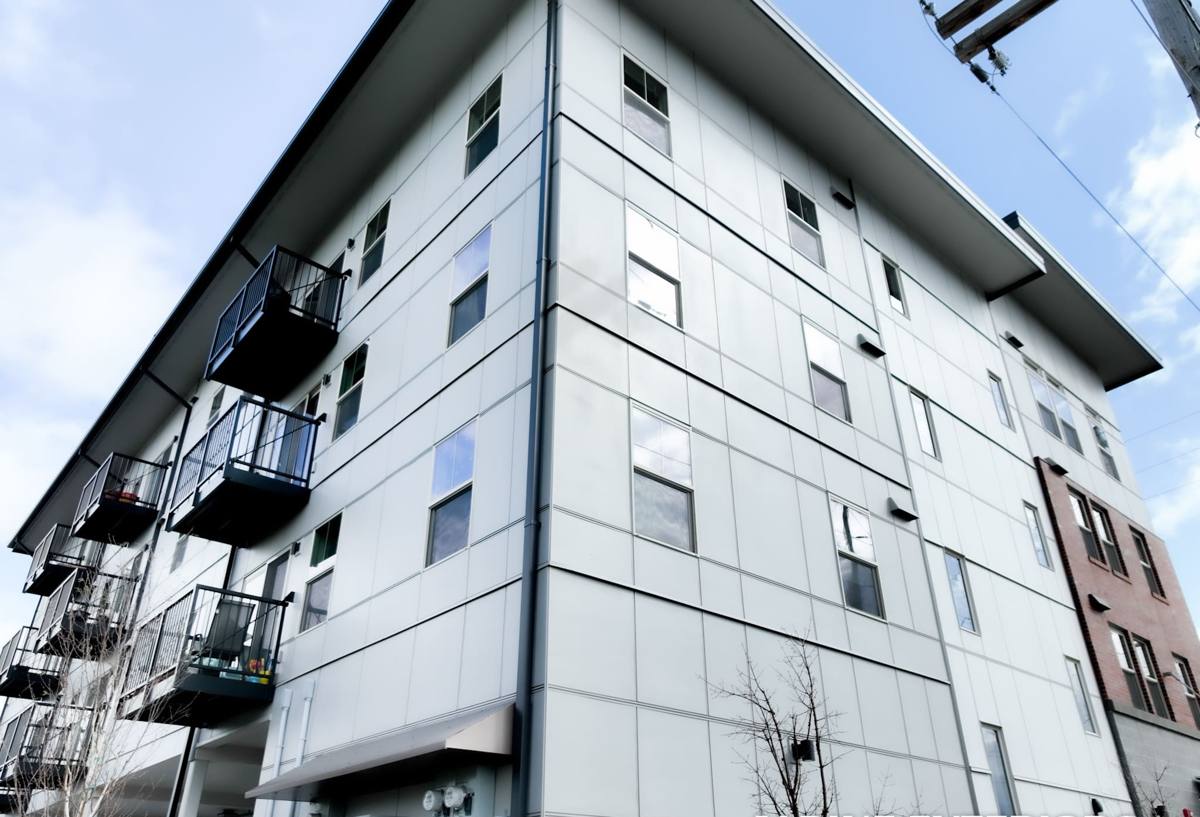
What Salt Air, Driving Rain, and Moss Actually Do to Windows
Salt air and hardware corrosion
Airborne salt is corrosive to unprotected metal. On coastal properties we routinely see window hardware — hinges, cranks, locks, and especially aluminum components without a marine-grade finish — pitting and seizing years before they should. Once hardware corrodes, windows stop closing tightly, and a window that doesn't close tightly stops being weatherproof, which starts a second round of problems.
Wind-driven rain and water intrusion
Rain that falls straight down is a much easier problem than rain that's being pushed sideways by wind off the water. Wind-driven rain finds any gap in flashing, any undersized reveal, or any place where sealant has started to fail, and it drives water up and under trim rather than letting gravity carry it away. That's why flashing detail and installation sequencing matter as much as the window unit itself in this location — a great window installed with inland-standard flashing can still leak.
Moss, algae, and sustained moisture
Whatcom County's long wet season keeps north-facing and shaded window surfaces damp for extended stretches, which is exactly what moss and algae need to establish. On wood-framed windows, sustained moisture against the frame is a slow path to rot at the sill and corners. On vinyl and fiberglass, it's mostly a cosmetic and maintenance issue, but growth trapped in weep holes can block drainage paths and cause water to back up inside the frame instead of draining out.
What a Correctly Installed Custom Window Involves
A window replacement done right in this climate is really four separate jobs stacked together, and skipping any one of them is where problems start:
- Accurate measurement and sizing — true custom sizing accounts for the actual rough opening, which is often slightly out of square on older homes, rather than forcing a standard size to fit.
- Frame and glass selection matched to exposure — the side of the house facing prevailing wind and rain off the water needs a different spec than a sheltered courtyard-facing window.
- Flashing and water management — proper integration with the wall's weather-resistive barrier, correctly lapped flashing tape, and a sill pan that gives any water that does get past the window a way back out.
- Sealing and hardware finish — marine-grade or corrosion-resistant hardware where salt exposure is a factor, and sealant details that account for building movement over time, not just a fresh bead of caulk.
Any custom windows job that only addresses the visible unit and skips the flashing and drainage work is solving half the problem. In a coastal microclimate like Semiahmoo's, the half that's skipped is usually the half that causes the callback.
Frame Material Comparison for a Coastal Property
There's no single "best" frame material for every house — it depends on exposure, budget, and how much upkeep you want to take on. Here's how the common options actually behave in salt air and sustained rain:
| Frame Material | Salt Air Resistance | Moisture Behavior | Maintenance Load |
|---|---|---|---|
| Vinyl | Good — won't corrode | Doesn't absorb water; relies on proper drainage design | Low — occasional cleaning |
| Fiberglass | Very good | Dimensionally stable in wet/dry cycling | Low |
| Wood (clad exterior) | Good on the clad face; interior wood needs protection | Vulnerable at end grain and joints if seals fail | Moderate — watch caulking and finish |
| Aluminum (non-marine grade) | Poor near salt air without upgraded finish | Conducts cold, can promote condensation | Higher — hardware and finish need monitoring |
We steer most Semiahmoo-area homeowners away from standard-finish aluminum for direct salt exposure — not because it's a bad product broadly, but because its corrosion resistance and thermal performance are a poor match for this specific exposure, and the long-term maintenance burden ends up costing more than choosing differently at the start.
Our Process, Start to Finish
- On-site assessment — we look at current window condition, existing water damage or staining, sill and sash health, and which elevations take the brunt of wind and rain.
- Exposure-based recommendations — we'll often spec differently for a wind-facing elevation than a sheltered one, rather than quoting identical units for every opening.
- Precise measurement — every opening is measured individually; older Whatcom County homes rarely have perfectly uniform rough openings.
- Removal and inspection — once old windows come out, we check the framing underneath for hidden rot or moisture damage before anything new goes in.
- Flashing and sill pan installation — this is the step that determines whether the new window actually sheds wind-driven rain or just looks good until the first storm.
- Window installation and sealing — units are set, shimmed level and square, and sealed with attention to long-term movement, not just initial fit.
- Final check and walkthrough — operation, locking, and drainage are all tested before we consider the job finished.
Signs Your Current Windows Are Already Losing the Battle
Coastal wear rarely announces itself with a dramatic failure — it shows up gradually. Worth checking for:
- Fogging or moisture trapped between the panes of a double-pane unit (a failed seal, not a cleaning problem)
- Hardware that's stiff, gritty, or corroded — cranks that won't turn smoothly, locks that need force
- Soft or discolored wood at the sill or lower corners of the frame
- Persistent moss or dark staining on the frame or nearby siding that doesn't clean off and comes right back
- Drafts or a noticeable temperature difference near the window on windy days
- Paint or finish that's blistering or peeling specifically around the window opening, not the wall generally
- Water staining on interior trim or drywall below or beside the window after storms
Any one of these on its own might be minor. Two or three together, especially on a wind- or water-facing side of the house, usually means the window system — not just the glass — is starting to fail.
What Drives the Cost
Custom window pricing varies house to house, but the same handful of factors tend to move the number the most:
| Factor | Why It Matters |
|---|---|
| Frame material | Fiberglass and premium vinyl typically cost more upfront than basic aluminum but need less long-term upkeep in salt air |
| Glass package | Impact-rated or upgraded low-E glass adds cost but performs better against driving rain and temperature swings |
| Number and size of openings | Larger or more numerous windows mean more material and labor |
| Existing damage found on removal | Rot or moisture damage discovered behind old windows requires repair before new units go in |
| Access and elevation | Second-story or hard-to-reach openings take longer and may need additional equipment |
We give straightforward, itemized estimates rather than one flat number, specifically so you can see where the cost is coming from and make informed choices about where to spend more or where standard options are perfectly fine.
Why Local Experience Matters for This Job
Window replacement isn't the same job everywhere in Whatcom County. A crew that mostly works dry, inland, wind-sheltered properties can do competent work and still under-spec a job for a Semiahmoo-area home, simply because they're not used to designing around salt air and driving rain off the water. Knowing which elevations of a coastal property typically take the worst weather, which hardware finishes actually hold up here, and how to detail flashing for wind-driven rain isn't something you pick up from a general contracting background — it comes from doing this specific kind of work in this specific kind of place, repeatedly.
That local familiarity also shows up in smaller, practical ways: knowing what typical rough-opening conditions look like in the area's housing stock, having a realistic sense of how long moss and algae take to become a real maintenance issue on north-facing glass here, and understanding how the shoulder seasons' weather patterns affect installation timing and curing of sealants.
Living With Custom Windows in a Coastal Climate
Even the right windows, correctly installed, benefit from a little seasonal attention in this environment. Rinsing salt residue off exterior frames periodically, keeping weep holes clear of debris and algae buildup, and checking hardware operation once or twice a year will meaningfully extend the life of any window system here. None of this is heavy maintenance — it's the kind of thing that takes an afternoon and prevents small issues from becoming expensive ones.
If you're weighing whether it's time to replace aging windows, or planning ahead for a renovation, we're happy to take a look and talk through what actually makes sense for your specific exposure and budget — no pressure, no obligation. Reach out for a free estimate using the form below.